Best National Park Campgrounds for RVs: The Definitive Guide
The best RV-capable national park campgrounds across the system — rig limits, the rare hookups, reservation systems, and which ones are worth the booking fight.
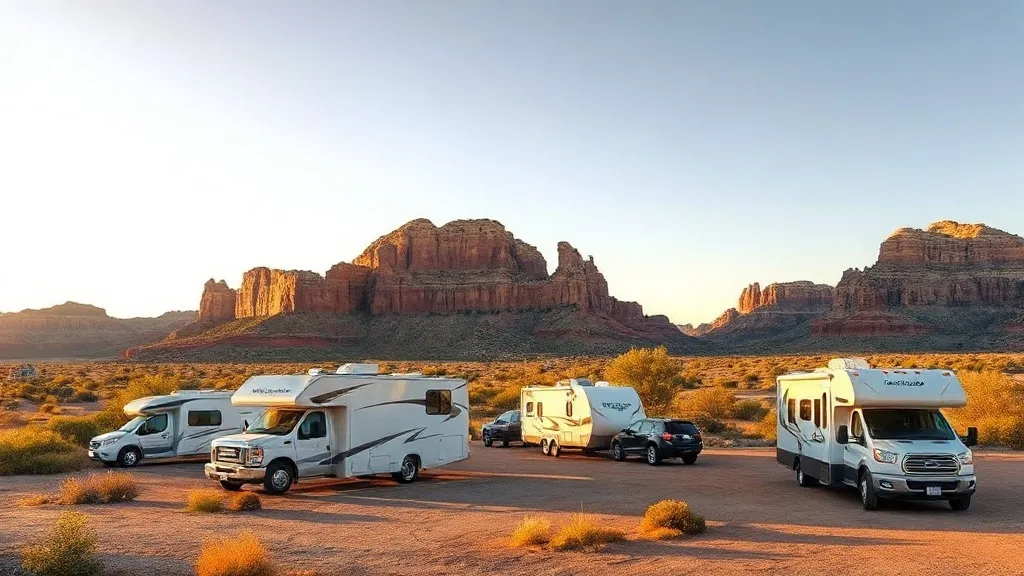
There is no RV experience quite like waking up inside a national park. The crowds that fill the parking lots by ten a.m. are still hours away; the light is low and gold on the canyon walls or the mountain faces; you step out of your rig into air that smells of ponderosa pine or sage or sea salt, and for an hour the place feels like it’s yours. That’s the promise of national park camping, and an RV is one of the best ways to claim it — if you understand how the system actually works.
And the system is genuinely idiosyncratic. National park campgrounds were laid out generations ago for tents and small trailers, so rig-size limits are real and unforgiving. Hookups are vanishingly rare — most of these campgrounds are dry camping, full stop. Reservations run through a confusing patchwork of Recreation.gov and private concessioners, with release windows ranging from 14 days to 13 months and peak sites that vanish in minutes. The difference between a magical trip and a frustrating one is almost always planning, not luck.
We built this guide as the master map to RV camping across the national park system. Below we profile the campgrounds genuinely worth the effort — the ones with hookups, the ones with unbeatable settings, the big-rig-friendly ones, and the ones whose limits will turn your rig away — organized by park. Every detail was verified against NPS publications and Recreation.gov in June 2026, including this year’s notable closures and rule changes. Two companion guides go deeper on the two questions RVers ask most: which campgrounds actually have full hookups, and what the rig-size limits are at each park’s roads, tunnels, and campgrounds. Read those alongside this one.
Related guides: Grand Teton RV Camping: Every Campground in the Tetons (2026) · Olympic National Park RV Camping: Kalaloch, Hoh, Mora & Sol Duc (2026) · Mount Rainier RV Camping: Every Campground on the Mountain (2026) · Mammoth Campground Review: Yellowstone’s Only Year-Round Campground
How national park RV camping really works
Three realities shape every decision:
Hookups are the exception, not the rule. Out of hundreds of campgrounds, only four inside park boundaries have full hookups — Fishing Bridge (Yellowstone), Trailer Village (Grand Canyon), 18 sites at Furnace Creek (Death Valley), and Rio Grande Village RV Park (Big Bend). Everywhere else, plan to be self-contained: batteries and solar, a generator run within posted hours, and a communal dump station.
Rig size decides your options before anything else. A 30-foot rig fits nearly everywhere. A 35-footer fits most large campgrounds. Over 40 feet and you’re looking at a small set of pull-through campgrounds. And the limit counts your tow car — a 32-foot motorhome plus a Jeep is a 50-foot combination.
Booking is a sport. Recreation.gov mostly releases 6 months out on a rolling window; concessioners (Xanterra, Delaware North) open ~13 months out; a few campgrounds use tight 14-day windows. Peak dates at the marquee parks sell out the instant they open.
Field tip: Before you fall in love with a specific campground, write down your rig’s true total length including the toad, then filter Recreation.gov by that number. It eliminates half the heartbreak — you’ll never book a site you can’t physically fit into.
Grand Canyon — South Rim (Arizona)
The South Rim is open year-round and is the most RV-friendly major park entrance in the West, with no tunnels or tight turns on the approach.
Mather Campground — the great value pick
- Hookups: None (dump station + water fill on site; coin showers and laundry)
- Sites: 327 in a ponderosa pine forest
- Cost:
$30/night ($15 with Senior/Access Pass) - Max RV length: ~30 feet
- Reservations: Recreation.gov, 6 months out
- Best for: Self-contained rigs under 30 feet wanting shade, quiet, and walkable access to the shuttle
Trailer Village — the only in-park hookups
Closed as of August 31, 2026: an August 29 flash flood broke the South Rim water line, and NPS closed Trailer Village. On September 19 the park said it hopes to reopen to overnight guests around Thanksgiving, but that is a projection. Until then the nearest full hookups are at Grand Canyon Camper Village in Tusayan, and Mather Campground is open for dry camping. See our Trailer Village review for the latest status.
- Hookups: Full (30/50-amp electric, water, sewer) at all 123 paved pull-throughs
- Cost: ~$70–$90/night
- Max RV length: ~50 feet
- Reservations: Delaware North (visitgrandcanyon.com) or Recreation.gov, ~13 months out
- Best for: Big rigs and anyone needing AC at 7,000 feet
Mather and Trailer Village sit a half-mile apart and represent the two faces of park camping: cheap, shaded, dry (Mather) versus pricey, exposed, fully hooked up (Trailer Village). Deep dives in our Grand Canyon RV camping guide, the Mather review, the Trailer Village review, and the Arizona state hub.
Zion (Utah)
Zion’s draw is also its constraint: the famous Mount Carmel Tunnel restricts large rigs (see our rig-size guide for the escort rules and the significant 2026 changes).
Watchman Campground — the only electric in Zion
- Hookups: Electric only at ~92 of 184 sites (mostly 30-amp); no water or sewer at sites (communal dump and fill)
- Cost: ~$35 non-electric, ~$45 electric
- Max RV length: Headline up to 99 feet, but many electric sites cap around 38 feet — book by individual site
- Season: Year-round
- Reservations: Recreation.gov, 6 months out
- Best for: RVers who want electric for AC and walkable access to the visitor center, shuttle, and Springdale
South Campground — freshly reopened
- Hookups: None
- Sites: 117 (reopened May 29, 2026 after a 2+ year rehab)
- Cost: $20/night
- Note: 12’6” height limit (tree limbs); tight 14-day-only booking window; closes for winter
- Best for: Smaller rigs and vans wanting a cheap, freshly renovated site in a great location
Watchman’s electric sites are the practical choice for most RVers; South is the bargain for the nimble. Full context in our Zion RV camping guide and the Utah national parks RV guide.
Glacier (Montana)
Glacier’s campgrounds are all dry, and the headline road — Going-to-the-Sun — bans rigs over 21 feet on the alpine stretch, so most RVers base at the west end and shuttle the pass.
Apgar Campground — the do-everything base
- Hookups: None (flush toilets, water, generator hours restricted)
- Sites: 194 (the park’s largest)
- Max RV length: Generally up to 35 feet; ~25 sites take up to ~40 feet
- Cost: historically ~$23–25/night (confirm 2026 fee)
- Reservations: Recreation.gov; mostly 6-month window
- Best for: Walkable access to Lake McDonald, the village, and the shuttle, with the park’s longest season
Fish Creek Campground — the quiet wooded option
- Hookups: None (dump station + fill on the access road)
- Sites: 178; many capped around 22–27 feet
- Cost: historically ~$23–25/night (confirm 2026 fee)
- Reservations: Recreation.gov, required
- Best for: Smaller rigs wanting a quieter, more wooded site away from Apgar’s bustle
2026 note: Glacier is in flux this year — Two Medicine Campground is closed all 2026, Many Glacier reopens around mid-May, St. Mary by July 1, and a ticketed pilot shuttle with a 3-hour parking limit runs at Logan Pass from July 1. Confirm before you go.
See our Glacier RV camping guide, the Apgar review, the Fish Creek review, the hikes-from-campground guide, and the Montana state hub.
Yellowstone (Wyoming)
Yellowstone is enormous and almost entirely dry-camping — with one hooked-up exception.
Fishing Bridge RV Park — full hookups, big rigs
- Hookups: Full (30/50-amp electric, water, sewer) at all ~310 sites; hard-sided RVs only (grizzly country)
- Cost: $94/night plus tax for 2026
- Max RV length: Up to ~95 feet combined on the renovated upper loop
- Season: May 8 – Oct 17, 2026
- Reservations: Yellowstone National Park Lodges for 2026 (moving to Recreation.gov in 2027)
- Best for: Big rigs needing full hookups in central Yellowstone
Check the complete Fishing Bridge review for the hard-sided-only rule, exact upper- and lower-loop fit, and the current $94 plus-tax comparison with Yellowstone’s dry campgrounds.
Bridge Bay Campground — the large dry option
- Hookups: None (dump station on site)
- Sites: 400+
- Max RV length: 60 feet combined
- Cost: $38/night plus tax for 2026
- Reservations: Xanterra, ~13 months out
- Best for: Larger dry-camping rigs wanting a lakeside base near the marina
Madison and the park’s other campgrounds are also dry. Note Pebble Creek and Norris are closed for all of 2026. Details are in our Yellowstone RV camping guide; use the Yellowstone campground reservations guide to book through the correct system, and the Yellowstone vs. Glacier comparison to choose between the parks.
Renting an RV for this trip? Compare rigs, prices, and pickup locations on RVshare and Outdoorsy — both let you filter by rig size, dates, and location.
Yosemite (California)
Yosemite Valley camping is the hardest reservation in the system, and all of it is dry.
Upper Pines Campground — the prime valley spot
- Hookups: None (dump station + potable water in the campground)
- Sites: 238 (the largest of the three Pines)
- Max RV length: 35 feet RV / 24 feet trailer — not all sites fit this
- Cost: ~$36/night
- Season: Year-round (the only Valley campground open in winter)
- Reservations: Recreation.gov, release 5 months out on the 15th at 7 a.m. PST — sells out in minutes
- Best for: Walk-to-the-Mist-Trail location and the only winter-open Valley option
2026 note: All three Valley Pines campgrounds were closed May 26–June 8, 2026 for construction, and a separate park-entry reservation is in effect for 2026. Confirm both before planning.
See our Yosemite RV parks guide, the Yosemite vs. Sequoia comparison, and the California state hub.
Death Valley (California)
Furnace Creek Campground — the desert’s only hookups
- Hookups: Full at 18 of ~136 sites; the rest are dry
- Cost: ~$44/night hookup, ~$30/night dry
- Max RV length: Large rigs fit the hookup pull-throughs (verify per site)
- Season: Year-round; reservations ~Oct 15 – Apr 15, first-come the rest of the year
- Reservations: Recreation.gov, 6 months out
- Best for: Winter desert camping with AC if you can win one of the 18 hookup sites
Summer here is genuinely dangerous without shore power. Full detail in our Death Valley RV camping guide and the Furnace Creek review.
Big Bend (Texas)
Rio Grande Village RV Park — remote full hookups
- Hookups: Full at all 25 sites; the only full-hookup campground in the park
- Max RV length: Up to ~65 feet; back-in only
- Cost: roughly $40s/night
- Season: Roughly mid-April through mid-November
- Reservations: Through the park concessioner directly (not Recreation.gov)
- Best for: The handful of RVers who can grab a site in one of the remotest parks in the lower 48
The separate, larger Rio Grande Village Campground (~100 dry sites, ~$16/night) is more scenic if you’re self-contained. See the Big Bend RV camping guide and the Texas state hub.
Joshua Tree (California)
Jumbo Rocks Campground — camping in the boulders
- Hookups: None — and no drinking water in the campground, so pack your own
- Sites: 124 (about 55 take RVs), nestled among iconic granite boulders
- Max RV length: 35 feet
- Cost: ~$30/night
- Season: Year-round
- Reservations: Recreation.gov, reservation-only (no first-come), 6 months out
- Best for: Smaller self-contained rigs wanting unmatched dark skies and boulder-scape sites
There’s no cell signal anywhere in Joshua Tree and no hookups in the park — this is true desert dry camping. See our Joshua Tree RV camping guide.
Acadia (Maine)
Blackwoods Campground — coastal forest near Bar Harbor
- Hookups: None (seasonal water, flush toilets, dump station)
- Sites: 281 (about 60 RV-capable)
- Max RV length: 35 feet, with some sites only fitting 20 feet
- Cost: $30/night
- Season: ~May 1 – Oct 18, 2026
- Reservations: Recreation.gov; 90% released 6 months out, the rest on a 14-day rolling window
- Best for: Smaller rigs wanting the closest base to Bar Harbor and Park Loop Road
Note Acadia’s Cadillac Summit Road bans RVs and trailers entirely and needs a separate $6 vehicle reservation — covered in our rig-size guide.
The best national park campgrounds for RVs at a glance
| Park | Campground | Region | Cost | Hookups | Max length | Reservations |
|---|---|---|---|---|---|---|
| Grand Canyon | Mather | South Rim, AZ | ~$30 | None | ~30 ft | Recreation.gov |
| Grand Canyon | Trailer Village | South Rim, AZ | ~$70–90 | Full | ~50 ft | Delaware North / Rec.gov |
| Zion | Watchman | UT | ~$35–45 | Electric (some) | varies (book per site) | Recreation.gov |
| Glacier | Apgar | MT | ~$23–25 | None | ~35–40 ft | Recreation.gov |
| Glacier | Fish Creek | MT | ~$23–25 | None | ~22–27 ft | Recreation.gov |
| Yellowstone | Fishing Bridge | WY | $94 + tax | Full | 95 ft combined | Yellowstone Lodges (2026) |
| Yellowstone | Bridge Bay | WY | $38 + tax | None | 60 ft combined | Yellowstone Lodges (2026) |
| Yosemite | Upper Pines | Valley, CA | ~$36 | None | 35 ft | Recreation.gov |
| Death Valley | Furnace Creek | CA | ~$30–44 | 18 sites full | large (per site) | Recreation.gov |
| Big Bend | Rio Grande Village RV | TX | ~$40s | Full | ~65 ft | Concessioner |
| Joshua Tree | Jumbo Rocks | CA | ~$30 | None | 35 ft | Recreation.gov |
| Acadia | Blackwoods | ME | $30 | None | 35 ft (some 20) | Recreation.gov |
Planning: seasons, booking, rigs, and budget
Best months. The mountain and northern parks (Yellowstone, Glacier, Yosemite high country) run roughly late May through September, with the shoulder weeks of late May/June and September offering thinner crowds and easier bookings. The desert parks flip: Death Valley, Big Bend, and Joshua Tree are best November through March, and genuinely hazardous in midsummer heat. The Grand Canyon South Rim and Zion are year-round, with crisp, uncrowded winters at the Canyon’s 7,000-foot rim.
Reservation strategy. Learn each campground’s window and be ruthless about timing — log in before release, know your target site numbers, and have backup dates open in a second tab. For the concessioner campgrounds (Fishing Bridge, Trailer Village), the 13-month window means you can lock peak dates a year ahead. For the Recreation.gov campgrounds, the 6-month rolling window rewards a calendar alarm. When you miss the initial release, work cancellations daily — they surface constantly in the two weeks before a date.
Rig-size reality. This is the single biggest filter. Under 30 feet, the whole system opens up. At 35 feet, most large campgrounds still work. Over 40 feet, you’re choosing among Trailer Village, Fishing Bridge’s upper loop, and gateway-town parks — and you’ll want to read our rig-size limits guide before committing to any park with a tunnel or alpine road.
Budget. In-park dry sites are a bargain — $16 to $36 a night, often half that with a Senior or Access Pass. In-park full hookups jump to $44 to $90. Gateway-town hookups run $50 to $150. A federal America the Beautiful pass ($80/year) covers entrance fees across the system and pays for itself in three or four park visits; the Senior Pass ($80 lifetime) also halves many NPS camping fees.
In-park or gateway town? Camp inside the gates for the experience — the dawn light, the early trailhead access, the quiet after the day crowds leave — and accept that it usually means dry camping and a booking fight. Camp in the gateway town when you need hookups, more availability, or amenities, and accept the daily commute. The smartest long trips do both: a few nights inside, a few nights plugged in just outside. Browse the full guides index for the regional and gateway-town options around each park, and start with the two companion guides on full-hookup national park sites and national park rig-size limits.
Frequently asked questions
What is the best national park campground for RVs?
It depends on what you need. For full hookups, Fishing Bridge in Yellowstone and Trailer Village at the Grand Canyon are the standouts. For setting and value in a self-contained rig, Mather at the Grand Canyon, Watchman at Zion, and Apgar at Glacier are hard to beat. The single best campground is the one whose rig limit fits your RV, in the park you most want to see, that you can actually book.
Do most national park campgrounds have RV hookups?
No. The vast majority are dry camping with no electric, water, or sewer at the site — just a dump station and water fill on the way in or out. Only a tiny handful of campgrounds in the entire system have full hookups, so most national park RV camping means running on batteries, solar, or a generator within posted hours.
How far in advance should I book a national park campground?
For popular parks, the moment the booking window opens. Recreation.gov campgrounds typically release 6 months ahead on a rolling window; concessioner campgrounds like Fishing Bridge and Trailer Village open about 13 months out. Peak-season sites at Zion, Yosemite, and Glacier can sell out within minutes, so be logged in and ready at the exact release time.
What size RV fits in national park campgrounds?
A rig up to 30 feet fits almost everywhere; up to 35 feet fits most large campgrounds; over 40 feet your options narrow to a few pull-through campgrounds like Trailer Village and Fishing Bridge's upper loop. Length limits vary by individual site, and the limit counts your tow vehicle or towed car, so always check the specific site length on Recreation.gov before booking.
Should I camp inside a national park or in a gateway town?
Both have a place. In-park campgrounds put you inside the scenery with early access to trailheads but rarely have hookups and are hard to book. Gateway-town RV parks have full hookups, more availability, and better amenities, at the cost of a daily commute. Many RVers split a trip between the two.
About the author
Marisol ReyesCamping & Outdoors Editor
Marisol spent six years as an interpretive ranger in the California and Colorado state park systems before turning to writing full-time. She knows public-land camping from the inside — how reservation windows really work, why some loops fill before others, and which 'first-come, first-served' sites are worth gambling on.
More from Marisol →Keep reading
Mesa & Apache Junction RV Resorts: 12 Parks With 2026–27 Rates
The East Valley snowbird deep dive: Mesa Spirit, Viewpoint, Valle del Oro, Monte Vista, Towerpoint, Mesa Regal, Sun Life, Good Life, Val Vista Villages, the Mesa/Apache Junction KOA, Lost Dutchman State Park and Usery Mountain, with 2026–27 nightly, monthly and seasonal rates, 55+ rules and short-stay policies.
Quartzsite RV Parks: 10 Hookup Parks, La Posa LTVA and Free BLM (2026–27)
Park-by-park guide to RV camping in Quartzsite, Arizona for the 2026–27 snowbird season: full-hookup parks with verified nightly, monthly and seasonal rates, the La Posa LTVA permit, the five free 14-day BLM areas, and the January 2027 show dates.
Yuma RV Parks: 12 Best Snowbird Resorts and BLM Camps (2026–27)
Verified 2026–27 guide to RV parks in Yuma, Arizona: Sun Vista, Westwind, Fortuna de Oro, Caravan Oasis, Bonita Mesa, Villa Alameda, Cocopah Bend, Yuma Lakes, the River Front KOA, Winterhaven across the river, and BLM boondocking at Imperial Dam LTVA and Senator Wash, with nightly, monthly and seasonal rates, 55+ rules and the Los Algodones day trip.