Yellowstone vs Glacier: Which Montana National Park is Better for RV Camping?
Yellowstone vs Glacier for RV camping, compared on verified 2026 fees, rig-length limits, hookups, and the 2026 access rules that changed at both parks.

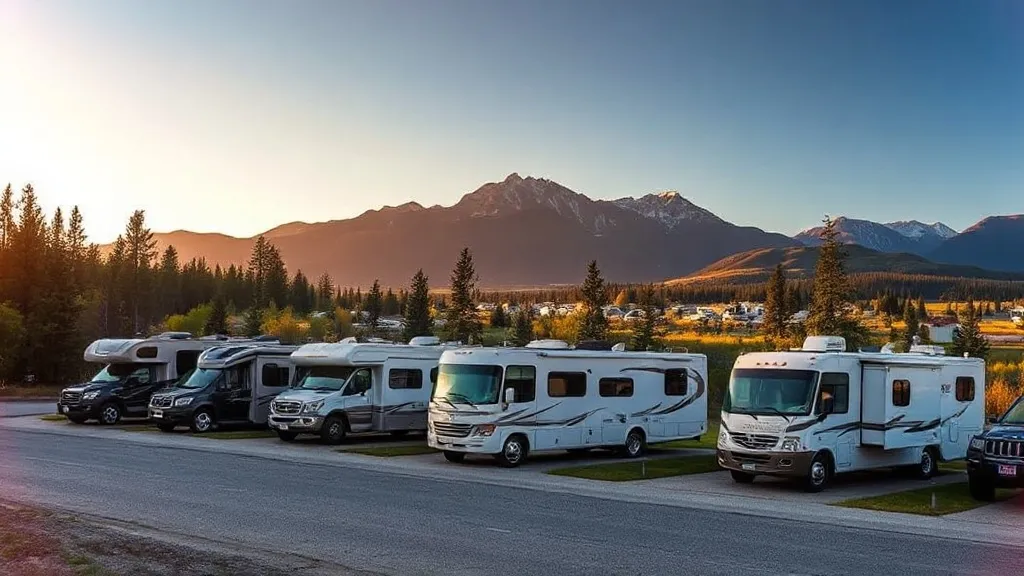
Short answer: Yellowstone is the better RV park; Glacier is the better hiking park. Yellowstone has twelve campgrounds, accepts rigs up to 95 feet at Fishing Bridge RV Park — the only full-hookup campground inside either park — and gives you fallback options when a booking fails. Glacier restricts vehicles to 21 feet on the road that matters, has no hookups anywhere in the park, and puts roughly 580 reservable sites against three million visitors. If you drive anything over 30 feet, that decision is largely made for you.
Two things changed for 2026 and both are worth knowing before you plan: Glacier dropped vehicle reservations entirely in favor of a ticketed Logan Pass shuttle and three-hour parking limits, and Yellowstone’s Xanterra campgrounds move to Recreation.gov booking from the 2027 season. Guides written before this summer get both wrong.
Montana has two of America’s most iconic national parks, and every summer thousands of RVers face the same question: Yellowstone or Glacier? If you have time for both, do both. But most people are working with a week or two of vacation, and the two parks offer fundamentally different RV camping experiences. Choosing the wrong one for your rig, your travel style, or your tolerance for logistical headaches can turn a dream trip into an expensive disappointment.
This is not a comparison of which park is more beautiful. Both are extraordinary. This is a practical, RV-specific breakdown of what it actually takes to camp at each park — the campground options, the rig size restrictions, the hookup situation, reservation strategies, crowd levels, and the details that determine whether your trip runs smoothly or falls apart on arrival day.
We have covered both parks in depth in our dedicated guides to RV camping at Glacier National Park and West Yellowstone RV parks. This article puts them side by side so you can make a decision with your eyes open.
Related guides: Grand Teton RV Camping: Every Campground in the Tetons (2026)
Quick Comparison Table
Here is how the two parks stack up across the criteria that matter most to RVers. The table gives you the overview; the sections below provide the context behind each row.
| Criteria | Yellowstone | Glacier |
|---|---|---|
| In-park campgrounds | 12 campgrounds, 2,000+ sites | 13 front-country campgrounds; 8 by reservation, 5 first-come |
| Max RV length (in-park) | 25–95 ft by campground; 60 ft at Bridge Bay and Madison | 21 ft vehicle limit on Going-to-the-Sun Road; most sites 26–30 ft |
| Full hookup campgrounds | Yes — Fishing Bridge RV Park, 310 sites | None inside the park |
| Hookups nearby | 6+ full-hookup parks in West Yellowstone (3 blocks to 15 min) | 4+ full-hookup parks near West Glacier (2-10 miles) |
| Nightly cost (in-park), 2026 | $20–$25 NPS; $38–$45 Xanterra; $94 Fishing Bridge | $20–$30 typical; confirm on Recreation.gov |
| Nightly cost (nearby private) | $80-167/night | $133-167/night |
| Season length | May 1 – Oct 17 (Madison); Fishing Bridge May 8 – Oct 17 | Going-to-the-Sun Road projected fully open June 22, 2026 |
| Reservation system | Xanterra for 5 campgrounds in 2026; moves to Recreation.gov for 2027 | Recreation.gov, 6-month rolling window |
| Timed entry / vehicle reservation | Not required | Not required in 2026; ticketed Logan Pass shuttle from July 1 |
| Cell signal (in-park) | Limited to none | Major coverage issues to no service |
| Cell signal (gateway town) | Excellent — all carriers in West Yellowstone | Good near West Glacier; poor inside park |
| Crowd intensity | 4.9 million visitors/year — extremely heavy | 3.1 million visitors/year — heavy but less than Yellowstone |
| Big rig friendliness | Moderate in-park; excellent at private parks | Poor in-park; good at private parks |
| Dump stations | Limited inside park (Fishing Bridge area) | Available at Apgar and Fish Creek |
| Elevation | 6,200-7,800 ft (higher, colder nights) | 3,200-4,500 ft (lower on west side) |
Campground Options: Scale vs. Scarcity
The most immediate difference between the two parks is sheer volume of camping capacity.
Yellowstone: More Campgrounds, More Sites, More Options
Yellowstone operates twelve campgrounds totaling more than 2,000 individual sites. Five of these are managed by the concessionaire Xanterra Travel Collection and are reservation-based through yellowstonenationalparklodges.com. The remaining seven are managed by the National Park Service on a first-come, first-served basis during most of the season.
For RVers approaching from the Montana side, Madison Campground is the anchor. It sits 14 miles east of West Yellowstone at 6,800 feet elevation with 278 individual sites along the confluence of the Gibbon and Firehole rivers. Madison has no hookups, no showers, and flush toilets with cold water only — but it is the closest campground to the West Entrance and arguably the most coveted campground in the park. Elk graze through camp at dusk. The Madison River delivers blue-ribbon trout fishing from your site.
The other Xanterra-run campgrounds fill out the map, and their 2026 numbers are worth memorizing before you book:
| Campground | 2026 fee | Sites | Max RV | Open (2026) |
|---|---|---|---|---|
| Madison | $38 | 276 | 60 ft | May 1 – Oct 17 |
| Bridge Bay | $38 | 431 | 60 ft | May 15 – Sep 13 |
| Canyon | $45 | 272 | 40 ft | May 29 – Sep 19 |
| Grant Village | $45 | 429 | 50 ft | Jun 26 – Sep 26 |
| Fishing Bridge RV Park | $94 | 310 | 95 ft | May 8 – Oct 17 |
Park Service campgrounds booked on Recreation.gov are cheaper and much tighter: Indian Creek, Lewis Lake, Pebble Creek, Slough Creek, and Tower Fall run $20, Mammoth $25, and their limits fall between 25 and 35 feet. Mammoth is the only year-round campground, and it allows 45 feet in winter but drops to 30 feet from May through mid-October.
Fishing Bridge RV Park is the outlier and the reason many big-rig owners pick Yellowstone at all. It is the only campground in either park with full hookups — water, sewer, and electric — and its 95-foot maximum is the most generous limit in either park by a wide margin. The trade-offs are real: hard-sided RVs only because of grizzly activity, no tents and no tent-style slideouts, $94 a night, and no Senior or Access Pass discount (those passes take 50% off other Xanterra campgrounds with promo code PASS). It sits on the east side of the park, a long drive from the West Entrance, but it is the only game in town if you want to plug in inside Yellowstone.
One forward-looking note that affects 2027 planning: beginning with the 2027 summer season, reservations for Bridge Bay, Canyon, Grant Village, Madison, and Fishing Bridge RV Park move from Xanterra to Recreation.gov. If you have booked Yellowstone before, the muscle memory of using the lodges site will be wrong next year.
The sheer number of campgrounds means you have more flexibility with Yellowstone. If your first-choice campground is full, there are alternatives. The first-come, first-served campgrounds give spontaneous travelers a fighting chance, especially in shoulder season. That kind of flexibility simply does not exist at Glacier.
Glacier: Fewer Options, Tighter Competition
Glacier has 13 front-country campgrounds, of which eight require a reservation through Recreation.gov: Apgar (194 sites), Avalanche, Fish Creek (178 sites), Many Glacier (~109 sites), Rising Sun, Sprague Creek, St. Mary, and Two Medicine. The remaining five are first-come, first-served. The RV-viable subset is much smaller than that list suggests — Sprague Creek bans towed units outright, and several of the others cap sites in the 21-to-26-foot range. For practical purposes an RVer is competing for roughly 580 reservable sites in a park receiving over three million visitors a year. The math is brutal.
Every one of those campgrounds is dry camping — no hookups, no showers (except Apgar), and limited to no cell service. Many Glacier is rated “No Service” on recreation.gov across 394 reviews. Apgar and Fish Creek are rated “Major Cell Coverage Issues.” Only St. Mary on the east side has “Good Coverage,” making it the sole option for RVers who need connectivity.
The scarcity creates a reservation pressure cooker. Glacier uses recreation.gov’s 6-month rolling window plus a 4-day short-term release. If you want a site at Fish Creek for July 15, you need to be online exactly six months earlier. Miss that window and your odds drop dramatically. This is a far more stressful booking process than Yellowstone’s, where the larger number of campgrounds and the first-come, first-served options provide a safety net.
For a complete breakdown of every campground option, see our Glacier National Park RV camping guide.
Rig Size and Access: This Is Where Glacier Gets Painful
If you tow a fifth wheel, drive a Class A, or own anything longer than 25 feet, this section matters more than everything else in this article combined.
Yellowstone: Accommodating for Most Rigs
Yellowstone is relatively friendly to larger RVs. The park roads are wide, well-maintained, and generally built to handle modern recreational vehicles. Individual campground sites vary — some loops favor tents and small trailers while others accommodate rigs up to 40 feet — but you can find sites for big rigs at multiple campgrounds if you book carefully.
Fishing Bridge RV Park explicitly caters to RVs and accepts hard-sided units only. Madison, Bridge Bay, Canyon, and Grant Village all have sites that handle Class A and Class C motorhomes in the 30-40 foot range. You will need to check individual site descriptions during the booking process (the Xanterra system lets you filter by RV length), but the bottom line is that Yellowstone does not systematically exclude large rigs.
The main road system throughout Yellowstone — the Grand Loop Road — has no vehicle length restrictions. You can drive your 40-foot Class A from one end of the park to the other without worrying about clearance, width limits, or white-knuckle mountain switchbacks. The roads are busy and the traffic can be maddening (more on that below), but they are physically accessible.
Glacier: The Strictest Vehicle Limits of Any Major National Park
Glacier is a completely different story. Going-to-the-Sun Road prohibits vehicles and vehicle combinations longer than 21 feet or wider than 8 feet (including mirrors) between Sun Point and Avalanche Campground. This is the park’s signature scenic drive, and if you are over those limits, you cannot drive it in your RV. Period.
Inside the campgrounds, the National Park Service explicitly states that most sites “will not accommodate towed units over 21 feet.” A limited number of sites at Apgar, Fish Creek, and St. Mary can handle towed units between 26 and 30 feet, but these are the exception. Many Glacier warns that most sites cannot accommodate slide-outs at all. If you run slides, the NPS recommends St. Mary instead.
Here is how it breaks down by rig type:
- Class B van or truck camper under 21ft: Full access to every campground and Going-to-the-Sun Road. This is the ideal rig for Glacier.
- Travel trailer 21-30ft: Select sites at Apgar, Fish Creek, and St. Mary. Cannot drive GTSR — you will need to unhitch and drive your tow vehicle over the road separately.
- Class A, Class C, or fifth wheel over 30ft: You are effectively locked out of every in-park campground. Private parks outside the boundaries are your only option.
- Any rig with slide-outs: Problematic at Many Glacier. Workable at St. Mary and select sites elsewhere.
This is the single biggest differentiator between the two parks for RV camping. If you own a large rig and want to camp inside the park, Yellowstone wins by default because Glacier will not physically accommodate you.
Gateway Town Options: Hookups, Showers, and Civilization
Neither park offers hookups inside their boundaries (with the exception of Yellowstone’s Fishing Bridge). The real hookup decision comes down to the private parks in the gateway communities.
West Yellowstone: Dense, Convenient, Expensive
West Yellowstone packs more RV parks per square mile than almost anywhere in the Northern Rockies. The Yellowstone Grizzly RV Park is the largest with 222 full-hookup sites — including 40 premium pull-throughs that handle rigs up to 80 feet — just four blocks from the West Entrance. Buffalo Crossing, Wagon Wheel, Pony Express, and West Gate KOA round out the in-town options, all offering full hookups with 20/30/50-amp service.
Prices reflect the captive audience: $80-167 per night is the range during peak season, with the Grizzly averaging $137-150 per night. For quieter alternatives at slightly lower prices, Hebgen Lake options like Yellowstone Holiday and Madison Arm Resort sit 8-15 miles from the West Entrance.
The major advantage of West Yellowstone is walkability. You can stroll to restaurants, grocery stores, and the park entrance from most RV parks. Cell signal is excellent across all carriers. After a day of no-service wilderness inside the park, returning to full connectivity at camp is a genuine comfort.
West Glacier and Surrounding Area: Fewer Options, Similar Prices
The private park cluster around Glacier’s West Entrance is smaller. West Glacier KOA Resort is the flagship — 165 sites with full hookups (30/50 amp), pull-throughs, a pool, hot tubs, and a bar called the Bear Garden. It sits three miles from the West Entrance and charges $133-167 per night in peak season. Glacier Peaks RV Park, West Glacier RV Park, and Glacier Meadow RV Park offer additional full-hookup options at varying price points.
On Glacier’s east side, options are thinner. The towns of St. Mary and Babb have limited RV facilities, though some smaller parks operate seasonally. If you are camping on the east side, St. Mary Campground inside the park is the most practical option — and it has the best cell coverage of any Glacier campground.
One strategy worth considering: base yourself at a Flathead Lake area park in Bigfork or Polson. You get full hookups, lower prices, and access to Montana’s largest freshwater lake. The tradeoff is the 45-90 minute drive to the park entrance depending on your location. But if you are spending a week in the region and only visiting Glacier for two or three days, a Flathead Lake basecamp can save you significant money while offering a completely different experience on your off days.
Crowds and Reservation Difficulty
Both parks are crowded. That is non-negotiable for any summer visit. But the texture of that crowding differs in ways that affect your daily experience as an RVer.
Yellowstone: More Visitors, But More Space to Absorb Them
Yellowstone received 4.9 million recreation visits in 2023, making it one of the five most visited national parks in the country. The park covers 2.2 million acres — roughly the size of Delaware and Rhode Island combined — which means those visitors spread across a massive landscape. The Grand Loop Road system distributes traffic in a figure-eight pattern, so while Old Faithful and the Grand Prismatic Spring parking lots are genuinely chaotic from 10 AM to 4 PM, you can find relative solitude on early-morning wildlife drives through Lamar Valley or late-afternoon walks along the Firehole River.
The 2,000+ campsite capacity helps absorb demand, though peak-season reservations at popular campgrounds like Madison and Canyon still require advance planning. The first-come, first-served campgrounds fill by early morning in July and August — if you are counting on snagging a spot, arrive before 8 AM.
RV traffic on the Grand Loop Road is a constant reality. You will crawl behind other motorhomes. You will stop for bison jams. You will spend 30 minutes in an Old Faithful parking lot looking for a space long enough for your rig. This is not a park where you drive quickly between attractions.
Glacier: Fewer Visitors, But Far More Bottlenecks
Glacier received 3.1 million visitors in 2023 — significantly fewer than Yellowstone, but compressed into a much smaller effective area. The park covers just under 1 million acres, but most visitor activity funnels through Going-to-the-Sun Road, which acts as a single narrow corridor through the park’s interior. When that road is full, it is full. There is no alternate route.
Here is the 2026 change most planning guides have not caught up with: vehicle reservations are not required anywhere in Glacier in 2026. The timed-entry system that governed the west side of Going-to-the-Sun Road in previous seasons is gone for this year. In its place the park runs a ticketed, reservation-only shuttle to Logan Pass, booked through Recreation.gov and starting July 1, 2026, and caps parking at Logan Pass to three hours from the same date. The park’s stated goal is to make short Logan Pass visits easier and let the shuttle run more reliably.
The full length of Going-to-the-Sun Road was projected to open Monday, June 22, 2026. That date moves with snowpack every year, and an early-June trip can easily find the alpine section still closed — which, for an RVer already barred from the corridor by the 21-foot limit, matters less than it does for other visitors.
The campground scarcity amplifies the crowd pressure. With only 580 reservable sites, competition for bookings is fierce. Many Glacier and Fish Creek campgrounds sell out within minutes of the booking window opening. If you miss the 6-month window for your target dates, your best fallback is the 4-day short-term release — but that requires flexibility and vigilance.
One silver lining: Glacier’s east side (St. Mary, Many Glacier) is consistently less crowded than the west side (Apgar, Fish Creek). If you are willing to approach from the east — entering through St. Mary and basing yourself on that side — you will encounter shorter lines, less traffic, and a slightly more relaxed atmosphere.
Scenery and Activities: Different Spectacles Entirely
Both parks are among the most visually stunning places on the continent, but they deliver completely different experiences.
Yellowstone: Geological Theater
Yellowstone is, at its core, a volcanic landscape. The park sits on top of a massive magma chamber, and the result is a concentration of geothermal features found nowhere else on Earth. Old Faithful, the Grand Prismatic Spring, Mammoth Hot Springs, and the Norris Geyser Basin are unlike anything at Glacier or any other national park.
The wildlife viewing is arguably the best in the lower 48. Lamar Valley is often called the “American Serengeti” for good reason — bison herds, wolf packs, grizzly bears, elk, and pronghorn are regular sightings. For RVers who enjoy wildlife photography or simply watching animals from the road, Yellowstone is unmatched.
The fishing is world-class. The Madison, Firehole, Gibbon, and Yellowstone rivers offer blue-ribbon trout streams accessible directly from campgrounds and roadside pullouts. If you fly fish, Yellowstone is a pilgrimage.
Hiking takes a back seat to the geothermal attractions for most visitors. There are excellent backcountry trails, but the signature Yellowstone experience is driving the loop, stopping at thermal features, and scanning for wildlife.
Glacier: Mountain Grandeur and World-Class Hiking
Glacier is a mountain park. The scenery is defined by glacier-carved peaks, turquoise alpine lakes, dense old-growth forests, and dramatic elevation changes. Going-to-the-Sun Road — if you can drive it (remember, not in your big rig) — is widely considered the most scenic road in North America. The views from Logan Pass at 6,646 feet are genuinely breathtaking.
Where Glacier surpasses Yellowstone is hiking. The trail system here is on another level. The Highline Trail, Grinnell Glacier, Iceberg Lake, and Ptarmigan Tunnel are legitimately world-class hikes accessible from in-park campgrounds. Many Glacier in particular sits at the trailhead for some of the park’s best day hikes — it is the reason serious hikers fight for those campground reservations despite the rig size limitations and lack of cell service.
Wildlife is present — grizzly bears, mountain goats, bighorn sheep, moose — but sightings are less frequent and less predictable than at Yellowstone. Glacier’s wildlife is more likely to be spotted on trails than from the road.
Water activities center on Lake McDonald (west side) and St. Mary Lake (east side). Both are stunningly clear but extremely cold — these are glacial lakes, not swimming holes. Kayaking and canoeing are popular in calm conditions.
Who Should Choose Yellowstone
Yellowstone is the better choice if you:
- Drive a large rig. Class A motorhomes, fifth wheels, and travel trailers over 30 feet will have a dramatically easier time at Yellowstone. The road system accommodates big rigs, and campground sites are available in sizes that Glacier simply cannot match.
- Want full hookups near the park. West Yellowstone’s dense cluster of RV parks means you can be plugged into 50-amp service three blocks from the entrance. The selection, pricing competition, and availability are all better than what exists near Glacier.
- Prioritize wildlife viewing. Yellowstone’s megafauna — bison, wolves, bears, elk — are more visible and more accessible than anything at Glacier. Lamar Valley alone justifies the trip.
- Are a fly fisher. The Madison, Firehole, and Yellowstone rivers offer trout fishing that draws anglers from around the world. You can fish from your campsite at Madison Campground.
- Want geothermal attractions. There is nothing like Old Faithful, Grand Prismatic, or Mammoth Hot Springs anywhere else on Earth. If this is your first national park trip, Yellowstone’s bucket-list attractions deliver an experience you cannot get at Glacier.
- Need more scheduling flexibility. The longer season (late April through mid-October), larger campground capacity, and mix of reservation and first-come, first-served options give you more ways to make a trip work on shorter notice.
For more details on where to stay, see our complete West Yellowstone RV parks guide.
Who Should Choose Glacier
Glacier is the better choice if you:
- Drive a small rig. Class B vans, truck campers, and travel trailers under 21 feet get the full Glacier experience — including Going-to-the-Sun Road, which is the park’s crown jewel. The smaller campground sizes create a more intimate atmosphere than Yellowstone’s larger complexes.
- Are a serious hiker. Glacier’s trail system is categorically better than Yellowstone’s for day hiking. If you plan to spend most of your trip on trails, Glacier delivers hikes that are worth traveling across the country for.
- Want fewer crowds (relatively). Glacier sees 1.8 million fewer annual visitors than Yellowstone. The east side in particular — St. Mary, Many Glacier — offers a noticeably calmer experience.
- Prefer mountain scenery over geothermal features. Glacier’s glacier-carved peaks, alpine lakes, and dense forests create a different kind of beauty — more akin to the Swiss Alps than Yellowstone’s volcanic strangeness. If mountains move you more than hot springs, Glacier is your park.
- Value quiet and disconnection. The lack of cell service, the no-generator loops, the smaller campgrounds — Glacier forces you to unplug in a way that Yellowstone’s larger, more connected infrastructure does not. For some RVers, that is the entire point.
- Are combining with a Flathead Lake trip. Glacier pairs naturally with Flathead Lake camping for a week-long Montana itinerary that mixes national park hiking with lakefront relaxation. Yellowstone does not have an equivalent nearby lake destination.
For the complete campground breakdown, read our Glacier National Park RV camping guide.
Can You Do Both Parks in One Trip?
Yes, but manage your expectations. Glacier and Yellowstone are separated by roughly 550 miles of driving — about 8 to 9 hours on I-90 and US-93 with no stops. That is a full travel day in an RV, more if you are towing.
The most practical approach is to split a two-week trip: one week at each park with the driving day in between. Route south through the Flathead Valley, pick up I-90 at Missoula, and head east to Bozeman before dropping south to West Yellowstone. You can break the drive with a night at one of the Bozeman area RV parks — a reasonable midpoint with full services, restaurants, and a college-town atmosphere worth exploring.
For a comprehensive state overview including both parks and everything in between, see our guide to the best RV parks in Montana.
The Bottom Line
Yellowstone is the more accessible, more accommodating park for RV camping — especially for large rigs. It has more campgrounds, more sites, longer seasons, and a gateway town with an embarrassment of full-hookup options. It is also the park with the more iconic bucket-list attractions. If you are making one trip to Montana and you drive anything over 25 feet, Yellowstone is the pragmatic choice.
Glacier is the more intimate, more challenging, and — for many campers — more rewarding experience. It demands a smaller rig, more advance planning, and a willingness to forgo hookups and connectivity. In return, it delivers world-class hiking, stunning mountain scenery, and a level of wildness that Yellowstone’s higher visitor numbers have gradually worn down. If you travel in a van or small trailer and your idea of a perfect day involves eight miles of mountain trail rather than a geyser parking lot, Glacier is your park.
Neither choice is wrong. But the right choice depends on your rig, your priorities, and your willingness to plan. Now you have the data to make that call.
Frequently asked questions
Is Yellowstone or Glacier better for RV camping?
Yellowstone, for most rigs. It has more campgrounds, far longer maximum RV lengths, and the only full-hookup campground inside either park — Fishing Bridge RV Park, which takes rigs up to 95 feet at $94 per night. Glacier is the better park for hiking, but Going-to-the-Sun Road caps vehicles at 21 feet, which shuts big rigs out of the park's central corridor.
Does Yellowstone have full hookups for RVs?
Yes, at one campground. Fishing Bridge RV Park is the only campground inside Yellowstone with full hookups: 310 sites, hard-side RVs only, no tent-style slideouts, maximum RV length 95 feet, $94 per night, open May 8 to October 17 in 2026. Senior and Access Pass discounts do not apply there. Every other Yellowstone campground is dry with a dump station.
Do I need a vehicle reservation for Glacier National Park in 2026?
No. Vehicle reservations are not required anywhere in Glacier in 2026 — a change from previous seasons. Instead, the Logan Pass shuttle runs on a ticketed, reservation-only basis through Recreation.gov starting July 1, and parking at Logan Pass is limited to three hours from that date. The full Going-to-the-Sun Road was projected to open June 22, 2026.
What size RV can drive Going-to-the-Sun Road?
Between Avalanche Creek and Rising Sun, vehicles must be under 21 feet long including bumpers, under 8 feet wide including mirrors, and under 10 feet tall. Vehicles over 10 feet high can also struggle with rock overhangs west of Logan Pass. This is the strictest vehicle limit at any major national park and it is the single biggest reason big-rig owners choose Yellowstone.
How much does camping inside Yellowstone cost in 2026?
Park Service campgrounds booked through Recreation.gov run $20 to $25. Xanterra's campgrounds run $38 at Bridge Bay and Madison, $45 at Canyon and Grant Village, and $94 at Fishing Bridge RV Park. Note that from the 2027 season, Xanterra's five campgrounds move to Recreation.gov booking.
About the author
Marisol ReyesCamping & Outdoors Editor
Marisol spent six years as an interpretive ranger in the California and Colorado state park systems before turning to writing full-time. She knows public-land camping from the inside — how reservation windows really work, why some loops fill before others, and which 'first-come, first-served' sites are worth gambling on.
More from Marisol →Keep reading
Yellowstone National Park Campgrounds Compared for RVs (2026)
Compare Yellowstone campgrounds by 2026 price, dates, location, hookups, and official RV-plus-vehicle limits to choose the right base.
Many Glacier Campground Prices, Showers & Reviews (2026)
An honest Many Glacier Campground review — 109 sites at $30/night, no hookups, token showers next door at Swiftcurrent, a famously tight RV limit, the 2026 reopening after the water-system rebuild, and the best trailhead access in Glacier.
St. Mary Campground Prices, Sites & Review: Glacier's East Side
St. Mary Campground prices, reservation dates and an honest loop-by-loop review, including its no-hookup sites, wind exposure and 2027 construction closure.