Wahweap RV Park & Campground Review: Lake Powell's Front Porch
An honest review of Wahweap RV Park & Campground at Lake Powell — full-hookup sites near $100/night, dry camping around $30, lake views, and what the current water levels actually mean for your trip.
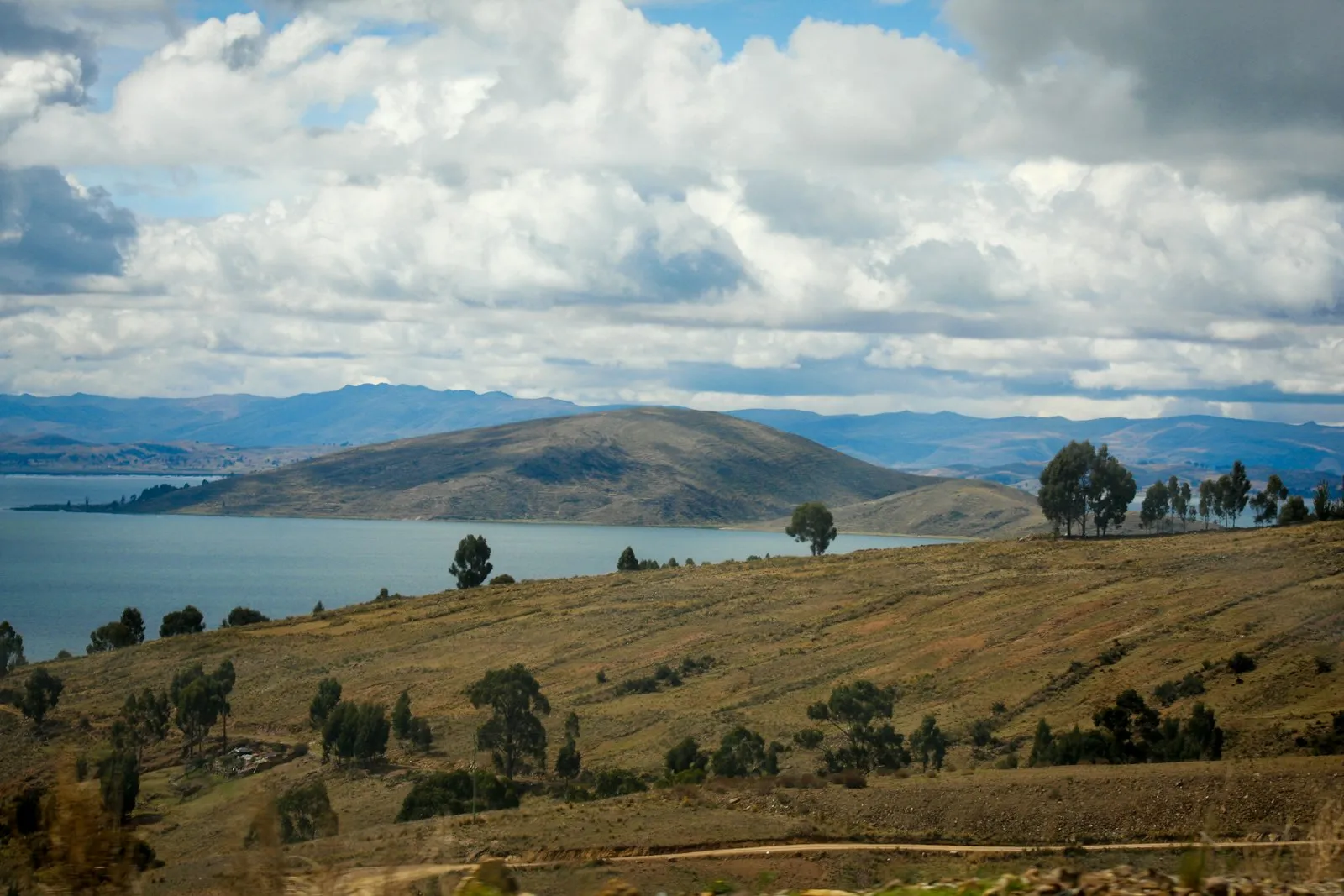
There are campgrounds you stay at because they’re convenient, and campgrounds you stay at because of where they put you when you unzip the door in the morning. Wahweap RV Park & Campground is firmly the second kind. Perched on a hillside above Wahweap Bay inside Glen Canyon National Recreation Area, about 20 minutes from Page, Arizona, it hands you a front-row seat to Lake Powell — blue water, slickrock domes, and a horizon that turns molten at sunset. It’s the closest thing Lake Powell has to a front porch.
Here’s the honest verdict up front: Wahweap is the best-located RV camping on the entire lake, and you pay for it. Full-hookup sites run close to $100 per night in peak season — national-park-gateway pricing for a campground that reviewers say is showing some wear, with cracked pads in places and almost no shade. Dry sites at around $30 per night are the sleeper value here. Meanwhile, the elephant on the shoreline is the water itself: Lake Powell’s level has been falling again, the main Stateline launch ramp is closed to motorized boats, and the concessionaire’s Rainbow Bridge boat tour is currently suspended. If your trip is built around launching a boat, you need to read the water-level section of this review before you book anything.
If your trip is built around Page’s greatest-hits circuit — Antelope Canyon, Horseshoe Bend, the Glen Canyon Dam, and swimming in that impossible blue water — Wahweap remains an easy recommendation, and one of the anchor stays in our guide to the best RV parks in Arizona.
Quick answer: Wahweap RV Park & Campground is the Aramark-run campground inside Glen Canyon NRA, 7 miles north of Page. Full-hookup RV sites run close to $100 per night in peak season, dry sites about $30, both plus a $4.99 nightly resort fee and the separate $30 Glen Canyon entrance fee. It handles rigs up to about 45 feet, is open year-round, and books through lakepowell.com or 800-528-6154—not recreation.gov. Reviews rate the location and views as unbeatable and the value of the dry sites as excellent; the criticisms are aging pads, no shade, wind and patchy cell service. If you tow a boat, note the Stateline main ramp is closed to motorized craft as of mid-2026.
Wahweap Campground & RV Park at a glance
| Item | Detail |
|---|---|
| Full-hookup RV site | Near $100/night peak (water, sewer, electric) |
| Dry campsite | About $30/night |
| Extra fees | $4.99/night resort fee; $30 Glen Canyon NRA entry (7 days) |
| Sites | ~139 full-hookup + 112 dry per Campendium (older NPS materials list 90 full hookups) |
| Max RV length | About 45 ft; very few longer sites |
| Showers / laundry | Yes / yes; camp store, dump station |
| Season | Year-round |
| Reservations | Aramark — lakepowell.com or 800-528-6154; up to 15% off advance-purchase |
| Location | Wahweap Bay, Glen Canyon NRA, ~20 min from Page, AZ |
| Boat launch | Stateline Auxiliary ramp; main Stateline ramp closed to motorized vessels (mid-2026) |
Getting There
Wahweap sits just off US-89, roughly 7 miles north of Page, Arizona — about a 20-minute drive from downtown. Coming from the south (Flagstaff, about 130 miles away), US-89 is a smooth, big-rig-friendly highway the whole way, climbing through the Echo Cliffs before dropping toward the Glen Canyon Dam. You’ll cross the dam bridge — a genuinely dramatic moment with a 44-foot-wide canyon of air under you — then follow signs to Lakeshore Drive and the Wahweap area. From the north (Kanab, Utah), US-89 rolls through Big Water and past Lone Rock before reaching the same turnoff.
You’ll pass through the Glen Canyon NRA entrance station on the way in. The entrance fee is $30 per private vehicle, valid for 7 consecutive days — or free with an America the Beautiful annual pass, which pays for itself fast on a Southwest loop trip.
Now for the region’s favorite party trick: the time zone situation. Wahweap sits in Arizona a stone’s throw from the Utah line — the resort’s marketing literally calls out the Stateline area, because the border runs right through the developed zone. Arizona doesn’t observe daylight saving time; Utah does. In summer, that means your phone can jump an hour forward and back as it grabs towers on either side of the line. The Navajo Nation — where Antelope Canyon tours operate — officially observes daylight saving time, unlike the rest of Arizona. The practical advice: when you book any tour, confirm which time zone your confirmation uses, set your phone’s clock manually, and build in a buffer. Missing a prepaid Antelope Canyon slot over a software time zone flip is a rite of passage nobody enjoys.
One more approach note: if you’re pairing this stop with the Navajo Nation’s other icon, Monument Valley is about two hours southeast — the two make a natural road-trip pairing, and we’ve covered where to park your rig out there in our Monument Valley RV parks guide.
Wahweap RV Park and Wahweap Campground: two campgrounds, one hillside
Wahweap is really two campgrounds sharing one hillside, both operated by Aramark under the Lake Powell Resorts & Marinas banner — this is a concessionaire operation inside a national recreation area, not a recreation.gov campground. Reservations go through lakepowell.com or 800-528-6154, not the federal system. That distinction shapes everything: the pricing, the resort fee, and the resort-adjacent amenities.
The full-hookup RV park section is the premium product: paved and concrete pads with water, sewer, and electric, arranged in loops on the slope above the bay. Published counts vary by source — Campendium lists 139 full-hookup sites (of roughly 287 total), while older NPS materials cite 90 full hookups — but either way, this is a substantial full-service RV park. Reviewers single out Loop C for reliable hookups, and the general consensus praises generous spacing between sites and wide interior roads that make maneuvering a 40-footer unremarkable. Sites accommodate rigs up to about 45 feet, with a very limited handful able to take longer combinations — if you’re pushing 70 feet of truck-and-trailer, call before you book.
The dry campground is the budget wing: 112 no-hookup sites on gravel, many of them level pull-throughs, plus tent-only sites and a few group areas. Each site gets a picnic table, grill, and fire ring, and every loop has its own bathroom building with flush toilets, sinks, and water refill stations. Reviewers consistently describe the dry sites as clean and level — and at roughly a third of the full-hookup price, they’re the smart play for self-contained rigs staying two or three nights.
The views are the product. The hillside placement means a good share of sites — particularly the upper loops — look straight out over Wahweap Bay to the red-and-white slickrock beyond. Sunrise over the lake from your own doorstep is the thing you’re actually paying for here.
The trade-offs are equally real. This is exposed desert camping at about 3,700 feet. Shade is close to nonexistent — a genuine issue when summer afternoons push past 100°F — and the same open hillside that gives you the views gives the wind a clean run at your awning. Retract it when you leave for the day; the reviews are littered with awning casualties. Spring afternoons in particular can blow hard enough to sandblast a happy hour. And multiple recent reviewers note the infrastructure is showing its age — cracked concrete pads and worn edges that sit awkwardly next to a near-$100 nightly rate.
Wahweap RV Park hookups & amenities
The full-hookup sites deliver water, sewer, and electric service; Aramark’s resort operation means the support facilities are more extensive than a typical park-service campground. On-site you get showers, laundry, a camp store, a dump station, and potable water, and WiFi has been installed at the campground — with the usual caveat that campground WiFi anywhere near a national park should be treated as a pleasant surprise, not a work plan.
Cell signal is genuinely mixed. Reviewer reports on Verizon range from “worked well” to “fine for light use, couldn’t stream,” and coverage is spotty across the loops. The local fix: Wahweap Overlook, about two miles away, has reliable signal — several full-time RVers report driving up there for calls and uploads. If you work from the road, plan around this or budget for the drive.
The pool situation deserves a flag. Wahweap’s proximity to Lake Powell Resort has historically come with a perk: campground guests could get a key card at the resort front desk for the resort pools. However, recent guest reports say pool access for campground guests has been revoked, even where it’s still advertised online. Policies at concessionaire properties shift; if pool access matters to your crew, confirm directly with the front desk when you book rather than assuming.
The bigger amenity is the one out the front door: Wahweap Marina, walking or short-driving distance from the campground, with boat rentals, tour departures, fuel, and the resort’s restaurants. There’s also a mandatory $4.99 per-night resort fee tacked onto camping rates — small, but worth knowing before the checkout screen.
The Water-Level Question
You cannot write honestly about Lake Powell in 2026 without addressing the lake itself, because the reservoir your campground overlooks is a moving target.
As of mid-July 2026, Lake Powell sits at an elevation of roughly 3,524 feet — nearly 176 feet below full pool — and the level has fallen more than three feet in the past 30 days. That’s the backdrop for the access picture at Wahweap:
- The Wahweap Stateline main launch ramp is closed to houseboats and all motorized vessels (non-motorized craft may launch at their own risk).
- The Stateline Auxiliary ramp is the reliable launch point for main-channel boating on this end of the lake, and Aramark is working to extend it further as the water drops.
- Lake-wide, per NPS reporting, only one of twelve launch ramps is fully operational, with others allowing limited launching. Expect congestion at Stateline Auxiliary, especially on summer weekends and if levels keep declining.
- The concessionaire’s Rainbow Bridge boat tour is currently listed as unavailable until further notice. Tours had resumed in recent years when the lake rose, and this is exactly the kind of thing that flips with the water — but as of this writing, don’t build your itinerary around it.
What this means practically: the campground experience is intact — the boating logistics are not what the brochures show. The views from the hillside are still spectacular (the bathtub ring is part of the scenery now, a stark white band recording where the water used to be). Swimming, paddling, and rental boats out of Wahweap Marina all still happen. But if you’re towing your own boat, check the NPS Glen Canyon ramp status page the week you travel, arrive early for launch windows, and have a plan B. Don’t rely on a months-old blog post — including, eventually, this one — for launch conditions.
What’s Nearby
This is where Wahweap earns its rate. Within 25 minutes of your campsite sits one of the densest concentrations of bucket-list landscape in North America.
Antelope Canyon — about a 20-minute drive. Both Upper and Lower Antelope Canyon are on Navajo Nation land and can only be visited on a guided tour with an authorized Navajo operator. Book weeks ahead for summer, months ahead for the midday light-beam slots in Upper Antelope. Remember the time-zone caveat from earlier: confirm the tour’s clock, and arrive 30 minutes before your check-in time. Tripods and bags are restricted on most tours — travel light.
Horseshoe Bend — roughly 15 to 20 minutes away, just south of Page off US-89. The famous 270-degree meander of the Colorado River is a 1.5-mile round-trip walk from the paved parking area (separate parking fee; oversized rigs should note the lot’s vehicle limits and consider driving the toad or arriving very early). Go at sunrise to beat both the heat and the crowds; sunset is more dramatic but far busier.
Glen Canyon Dam — ten minutes away. The Carl Hayden Visitor Center overlooks the 710-foot dam, and it’s a legitimately fascinating stop even for the engineering-indifferent.
Lake Powell itself — rentals from Wahweap Marina (powerboats, kayaks, paddleboards) put the blue water within reach even with the ramp situation, and the bay in front of the campground is the easy first paddle.
The bigger circuit: Wahweap slots naturally into the grand Southwest loop. The Grand Canyon’s South Rim is about 2.5 hours southwest — our Grand Canyon RV camping guide covers where to park there — Monument Valley is two hours east, and Zion and Bryce are both within a half-day’s drive northwest — see our RV parks near Utah’s national parks for that leg. It’s hard to place a pin more centrally in the red-rock map than this one.
Wahweap Campground & RV Park reviews: the honest details
What works:
- The location is unbeatable. Nothing else with hookups puts you on Lake Powell’s shoreline hillside inside the NRA, 20 minutes from Antelope Canyon and Horseshoe Bend.
- The views from the upper loops are the kind you plan trips around.
- Big-rig friendly by national-recreation-area standards: 45-foot sites, wide roads, generous spacing, pull-throughs available.
- Clean and well-kept where it counts — reviewers consistently praise the bathrooms and grounds, with staff visibly maintaining the loops daily.
- The dry sites are a genuine value: roughly $30 for level, clean, pull-through camping with million-dollar views.
- Year-round operation, and shoulder seasons (April–May, September–October) are glorious.
What doesn’t:
- The full-hookup price. Near-$100 nightly rates plus a $4.99 resort fee for pads that some reviewers describe as cracked and aging is a hard swallow. You’re paying for the location, and Aramark knows it.
- No shade, real wind. Summer afternoons are brutal on the exposed hillside, and the wind will find your awning.
- Spotty cell service, with the reliable fix a two-mile drive to Wahweap Overlook.
- Amenity uncertainty — the advertised resort pool access has reportedly been cut off for campground guests, and the Rainbow Bridge tour is suspended.
- The launch-ramp squeeze. If you tow a boat, the closed main ramp and congested auxiliary ramp are a genuine logistical burden right now.
Who it’s for: RVers running the Page bucket list who want to wake up over the lake instead of in a parking lot in town; big rigs that need full hookups near Lake Powell; self-contained rigs happy to dry camp at a third of the price; snowbirds and shoulder-season travelers threading the Southwest circuit — Wahweap pairs naturally with the routes in our Arizona snowbird guide, though note it’s a stopover on the migration, not a monthly-rate wintering park.
Who it’s not for: budget travelers who’d rather bank the $70-a-night difference (see Lone Rock Beach below); anyone whose trip lives or dies on launching their own boat without hassle; shade-seekers in July; remote workers who need bulletproof bandwidth.
Wahweap Campground & RV Park rates, specs & booking
- Hookups: Full hookups (water, sewer, electric) in the RV park section; dry campground has no hookups. Dump station and potable water on site.
- Sites: ~287 total per Campendium — 139 full-hookup, 112 dry, plus tent-only and group sites (older NPS materials list 90 full hookups; counts vary by source).
- Cost: Full hookups near $100/night peak season; dry sites around $30/night; $4.99/night resort fee; up to 15% off with advance-purchase booking. Glen Canyon NRA entrance fee $30/vehicle (7 days) is separate.
- Season: Year-round.
- Reservation: Through Aramark at lakepowell.com or 800-528-6154 — not recreation.gov. Book months ahead for spring-through-fall weekends.
- Cell signal: Spotty across carriers; Verizon usable for light tasks but streaming is unreliable. Dependable signal at Wahweap Overlook, ~2 miles away. Campground WiFi installed.
- Max RV length: Up to 45 feet comfortably; very limited sites for longer rigs — call ahead if oversized.
- Amenities: Showers, laundry, camp store, restrooms in every loop, picnic tables/grills/fire rings, dump station, marina with rentals and dining nearby. Resort pool access for campers has reportedly been discontinued — confirm at booking.
Alternatives nearby: Lone Rock Beach and Page RV parks
Lone Rock Beach Primitive Camping Area — 10 minutes north across the Utah line, this is the anti-Wahweap: drive-on-the-beach dispersed camping at the foot of the namesake monolith for $14 per vehicle per night ($7 with a senior pass), first-come, first-served, 14-day limit. No designated sites — you pick your spot on the sand — with restrooms, showers, potable water, and a dump station currently open. The catch: soft sand strands two-wheel-drive rigs regularly, there are zero hookups, and summer weekends turn it into a lively (read: loud) beach party. For a capable, self-contained rig, it’s one of the best camping deals in the Southwest.
Page’s private parks — in and around town, ~20 minutes from the lake, you’ll find commercial full-hookup parks (Page Lake Powell Campground is the established name) with more predictable amenities, pools, and better cell service, trading away the lake views and the inside-the-NRA setting. If you’re in town primarily for Antelope Canyon and Horseshoe Bend rather than the lake, they’re a rational, often cheaper base.
The bottom line: Wahweap charges a premium for something no competitor can replicate — waking up inside Glen Canyon National Recreation Area with Lake Powell filling your windshield. Go in with clear eyes about the price, the sun, the wind, and the state of the launch ramps, book the advance-purchase rate early, and it delivers one of the signature RV stays of the Southwest. For the wider picture of where it ranks statewide, see our full guide to the best RV parks in Arizona or browse every Arizona camping destination.
Frequently asked questions
Does Wahweap RV Park have full hookups?
Yes. Wahweap has a full-hookup RV park section with water, sewer, and electric on paved pads, alongside a separate dry campground with no hookups. Full-hookup rates run close to $100 per night in peak season, while dry sites cost around $30 per night, plus a $4.99 nightly resort fee and the $30 Glen Canyon NRA entrance fee.
How much does Wahweap Campground cost per night?
Expect roughly $30 per night for a dry (no-hookup) site and close to $100 per night for a full-hookup site in peak season, plus a $4.99 per-night resort fee. Booking early through lakepowell.com can earn up to 15% off with the advance purchase rate. The $30 Glen Canyon entrance fee (valid 7 days) is separate.
Do Wahweap campsites have views of Lake Powell?
Many do. The campground sits on a hillside above Wahweap Bay, and a good share of sites — especially in the upper loops — look out over the water and the red-rock skyline toward Tower Butte. Not every site has a view, so it's worth studying the site map when you book.
How far is Wahweap from Antelope Canyon and Horseshoe Bend?
Both are easy day trips. Antelope Canyon's tour staging areas are about a 20-minute drive from Wahweap, and the Horseshoe Bend trailhead parking lot is roughly 15 to 20 minutes away. Downtown Page, with groceries and fuel, is about 20 minutes from the campground.
Can big rigs fit at Wahweap RV Park?
Yes, within limits. The full-hookup section handles rigs up to about 45 feet, with a very limited number of sites for anything longer. Interior roads are wide, spacing between sites is generous, and some sites are pull-throughs — reviewers consistently rate it easy to navigate in a big rig.
Is Wahweap Campground reservation only?
Effectively yes for the busy season. Wahweap is run by Aramark and booked through lakepowell.com or 800-528-6154, not recreation.gov, and spring-through-fall weekends fill months ahead. Walk-up availability exists mostly in winter and on off-peak weeknights, so do not count on it.
What do reviews say about Wahweap Campground & RV Park?
Reviews consistently praise the location, the lake views from the upper loops, clean bathrooms and easy big-rig maneuvering. The recurring criticisms are the near-$100 full-hookup price, cracked and aging pads, no shade, wind, spotty cell service and the loss of resort pool access for campers.
Is boating on Lake Powell still possible from Wahweap with low water levels?
Yes, but launch access is concentrated. As of mid-2026 the lake sits around elevation 3,524 feet and is declining; the Wahweap Stateline main ramp is closed to motorized vessels, and the Stateline Auxiliary ramp is the reliable launch point for main-channel boating. Expect congestion and check the NPS Glen Canyon ramp status page before towing a boat.
About the author
Dale HartmanLead RV Park Reviewer
Dale has lived on the road full-time since 2014, when he sold the house in Boise and moved into a 34-foot fifth wheel with his wife and a stubborn beagle named Otis. In the years since, he's parked at more than 400 campgrounds across 41 states — from boondocking sites with no hookups to luxury resorts with concrete pads and pickleball courts.
More from Dale →Campgrounds in this guide
Facts pages for each park — hookups, rig limits, rates and booking, plus every guide that covers it.
Keep reading
Dead Horse Ranch State Park Camping: RV Sites & Fees (2026)
Verified Dead Horse Ranch State Park camping guide covering the $50 RV fee, 106 electric sites, loop sizes, 65-foot combination fit, reservations, showers, dump station, and Sedona trade-offs.
Flagstaff KOA Holiday Review: RV Sites & Big-Rig Fit (2026)
A verified 2026 Flagstaff KOA review covering full and partial hookups, the 75-foot campground maximum, live prices, patio sites, current fire alerts, and big-rig trade-offs.
Verde Ranch RV Resort Review: Sites, Rates & Rules (2026)
Verified Verde Ranch RV Resort review covering 389 full-hookup sites, 75-foot pull-throughs, live rates, monthly costs, Wi-Fi, pool, pet rules, and Sedona trade-offs.