Watchman Campground Zion Review: Prices, Best Sites & Loops (2026)
A current Watchman Campground review for Zion — 2026 prices, electric hookups, loop-by-loop site choices, RV limits, and reservation strategy.
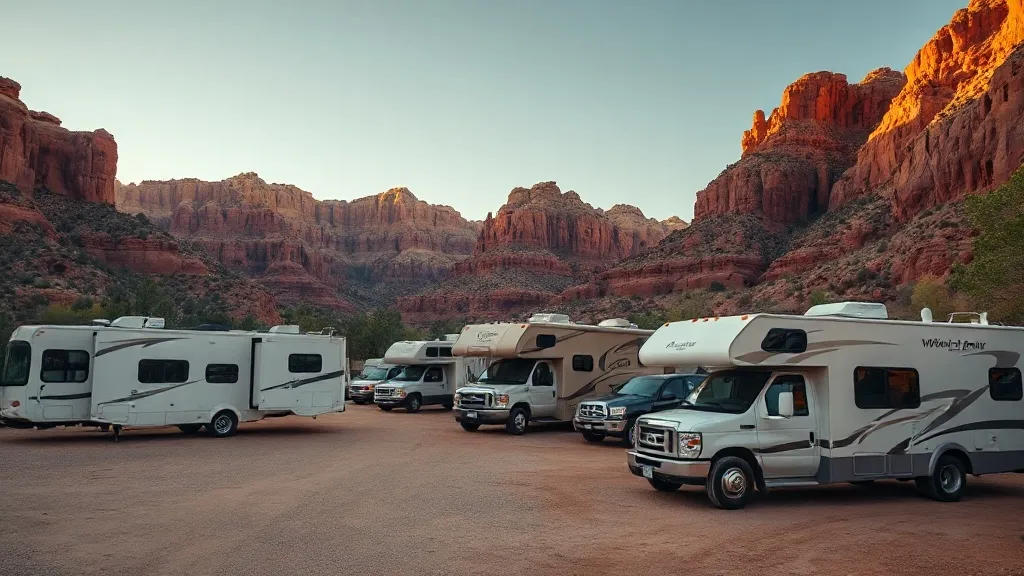
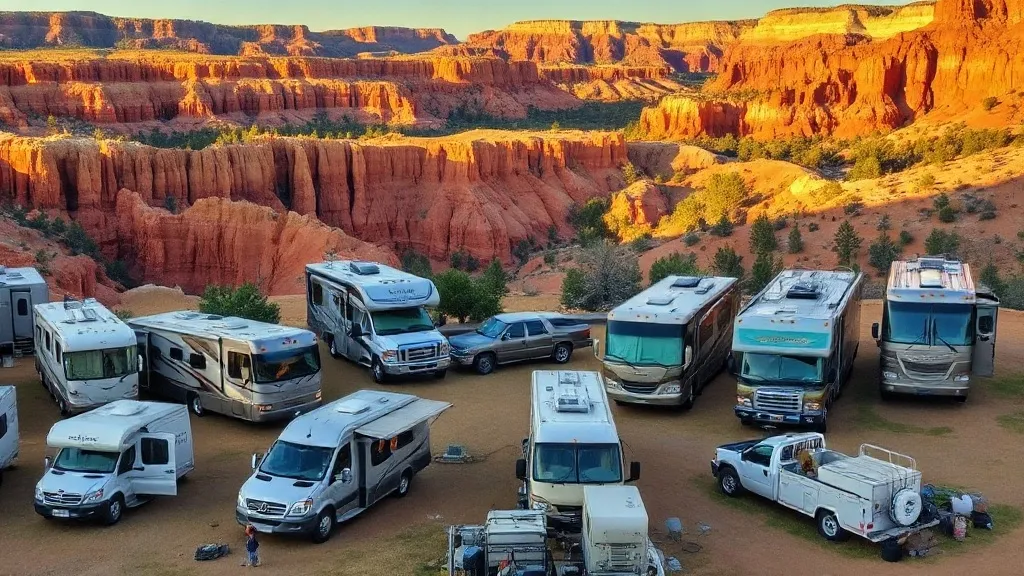
Watchman Campground is the campground most RVers choose when visiting Zion National Park, and with good reason. It is the only campground inside Zion that offers electric hookups — a luxury that feels almost extravagant by national park standards. It sits beside the Zion Canyon Visitor Center and the park shuttle, with 184 sites across six loops near the Virgin River. The campground is listed as open year-round, and every site requires a reservation.
The 2026 price is $35/night for a non-electric site and $45/night for an electric site. For an RV, start with Loops A and B: both have electric sites, accept rigs up to 40 feet at selected pads, and put you closest to the visitor center. The exact parking length and amperage are site-specific, so the best site is the one Recreation.gov confirms will fit your full setup.
Here is the honest verdict up front: Watchman is the best campground inside Zion for RVers who want to stay in the park with some electrical convenience — but it comes with real trade-offs. Only Loops A and B offer electric hookups. Most are 30 amp, although Recreation.gov lists a handful of 50-amp sites. There is no water or sewer at individual sites. The campground sits in a desert canyon environment, which means limited shade and intense summer heat. Getting a peak-season reservation requires planning months in advance.
If those trade-offs work for you — and for most Zion-bound RVers, they work beautifully — Watchman delivers something no private park in Springdale can match. You wake up already inside the park. The shuttle stop is a short walk from your site. The Virgin River runs along the campground’s edge. And the views of the Watchman, Bridge Mountain, and the Towers of the Virgin are the kind of scenery that makes you understand why 4.5 million people visit this park every year.
For RVers who need full hookups or larger sites, see our Zion National Park camping and RV guide for private alternatives like Zion River Resort and Zion Canyon Campground, or our broader Utah national parks RV guide for a multi-park itinerary.
Getting There
Watchman Campground sits just inside the South Entrance of Zion National Park, at the base of Zion Canyon near the town of Springdale, Utah. If you are coming from the south or west on I-15, take Exit 16 at Hurricane and follow UT-9 east through the small towns of La Verge, Hurricane, and Springdale. The drive from I-15 to the park entrance takes roughly 45 minutes and is straightforward for any size rig — the road is well-maintained two-lane highway through scenic desert terrain.
From the east, the approach is more complicated — and the rules changed in 2026. As of June 7, 2026, the National Park Service banned vehicles over 35 feet 9 inches long, 11 feet 4 inches tall, 7 feet 10 inches wide, or 50,000 pounds from the Zion-Mt. Carmel Highway entirely, and eliminated the $15 escorted-passage permit that previously let oversized rigs through the tunnel. If your rig exceeds those dimensions, there is no longer any way through — you must route around the park and approach from the south entrance via Springdale rather than the east entrance via Mt. Carmel Junction.
Once through the South Entrance gate, Watchman Campground is immediately on your right — you will see the signed turnoff before you even reach the visitor center. The drive from the entrance station to the campground check-in is less than half a mile on flat, paved road.
The nearest full-service town is St. George, about 45 minutes west on I-15. St. George has Costco, Walmart, Home Depot, RV service centers, and every supply chain you could need. Springdale, the gateway town immediately outside the South Entrance, has restaurants, galleries, grocery basics at Sol Foods Market, and a free town shuttle that connects to the park shuttle at the visitor center.
Fuel tip: Fill your tanks in Hurricane or St. George before arriving. Springdale has one gas station and prices run $0.30 to $0.50 per gallon higher than the I-15 corridor. There is no fuel inside the park.
The Campground
Watchman Campground occupies a broad, gently sloping bench of desert terrain at the confluence of the North Fork and main stem of the Virgin River. The setting is open and arid — cottonwood trees along the river provide some shade, but most of the campground is exposed to the canyon’s big sky. The surrounding cliffs and formations dominate every sightline. This is not a forested campground; it is a desert canyon campground, and the atmosphere is entirely different from places like Fish Creek at Glacier or Mather at the Grand Canyon.
The campground has 184 sites across six loops: A, B, C, D, E, and F. NPS lists 92 electric sites, 69 non-electric sites for combined vehicle lengths under 19 feet, 18 walk-in tent sites, and six group sites.
Loop A — Electric RV Sites
Loop A is one of two loops offering electric hookups. Most sites are 30 amp, with a small number of 50-amp sites in the campground. The sites accommodate rigs up to approximately 40 feet, though individual site dimensions vary — check the Recreation.gov listing for the maximum combined length and amperage before booking.
Sites in Loop A sit on relatively level ground with gravel pads. Each site includes a picnic table, fire ring, and tent pad. The loop is closest to the campground entrance and has the most direct access to the restroom facilities and the path leading to the visitor center.
The trade-off: Loop A can feel more exposed than other loops, with less vegetation screening between sites. During peak season, the density of RVs and air conditioners creates a busier atmosphere than the tent-only loops higher up. Generators are not permitted at the electric sites.
Best sites in Loop A: Request sites on the outer edge of the loop for slightly more breathing room and better views of the canyon walls. Sites closest to the Virgin River offer the sound of moving water, which is a genuine comfort on hot summer nights.
Loop B — Electric RV Sites
Loop B mirrors Loop A in offering electric hookups and accommodating RVs. The loop has a similar layout with gravel pads, picnic tables, and fire rings. Check the individual listing rather than assuming every pedestal has the same amperage or every pad fits a 40-foot rig.
Together, Loops A and B represent the entirety of Watchman’s electric hookup capacity. If you are bringing an RV and want shore power, these are your only options inside Zion National Park. South Campground, the park’s other front-country campground, has no hookups at all.
Best sites in Loop B: The sites on the back side of the loop, particularly those bordering the undeveloped area between loops, offer the most privacy and the best views toward the Watchman formation to the east.
Loops C and D — Non-Electric, Small Vehicle Only
Loops C and D sit on a small hill above the main campground area and have a strict size restriction: no vehicles 19 feet or longer. These loops are effectively tent and small-vehicle territory — pop-up campers, small teardrops, and compact campervans may fit, but standard travel trailers and motorhomes will not.
The upside of the elevation: Loops C and D offer some of the best panoramic views in the campground. The slightly higher position provides sweeping sightlines toward the Watchman and the canyon walls that the lower loops cannot match.
If you are in a Class B van or small truck camper under 19 feet, these loops are worth considering for the views and the generally quieter atmosphere.
Loop E — Group Sites
Loop E is reserved for group camping, accommodating parties of 7 to 40 people. Group sites are tent-only and must be booked separately through Recreation.gov. Unless you are traveling with a large rally group, this loop is not relevant to most RVers.
Loop F — Walk-To Tent Sites
Loop F contains walk-to tent sites only. Campers park in a central lot and carry their gear to individual sites. Some sites feature pergolas over the picnic tables for shade — a thoughtful addition in a campground where natural shade is scarce. This loop is not accessible by vehicle.
Sites to Request
When booking on Recreation.gov, you can select a specific site. Use these guidelines:
- Loops A or B for electric hookups (the only RV-appropriate loops with power)
- Outer-edge sites in any loop for the best views and most breathing room
- River-adjacent sites in Loops A and B for the sound of the Virgin River and slightly cooler evening temps
- Sites with maximum vehicle length matching your rig — recreation.gov specifies length limits per site, and this is enforced
Sites to Avoid
- Sites closest to the campground entrance road pick up the most vehicle traffic, particularly during the morning rush when everyone heads to the shuttle
- Interior sites where driveways face each other can feel cramped, especially when two large rigs are parked with slide-outs extended
- Any site in Loops C, D, E, or F if you have an RV over 19 feet — these loops will not accommodate standard RVs
Hookups and Amenities
Hookups
Watchman Campground offers electric-only hookups in Loops A and B. Most are 30 amp and Recreation.gov says only a handful supply 50 amp. There is no water hookup or sewer connection at individual sites, so this is not a full-hookup campground.
What you do get across the campground:
- Dump station: On-site, accessible to all campers. You can dump your tanks without leaving the park.
- Potable water: Water spigots throughout the campground for filling jugs and tanks. The fill rate is adequate but not fast — plan to fill your freshwater tank during off-peak hours.
- Flush toilets: Clean, maintained restroom buildings in each loop with flush toilets and running water.
What Watchman Does Not Have
- No showers. There are no shower facilities anywhere in the campground. The nearest public showers are in Springdale, outside the park.
- No sewer hookups. You will need to manage your gray and black tanks and use the dump station.
- Very limited 50-amp inventory. Recreation.gov says only a handful of electric sites supply 50 amp. Book a site that explicitly lists it; otherwise plan around 30-amp service.
- No laundry facilities. The nearest laundromat is in Springdale.
- No Wi-Fi. NPS lists cell service as generally reliable inside Watchman, but there is no campground internet connection.
- No camp store on-site. The visitor center nearby has a bookstore but not supplies. Springdale has grocery options within walking distance if you are camped in Loops A or B.
What Each Site Includes
Every site comes with:
- A picnic table (standard NPS heavy-duty)
- A fire ring with grate (check current fire restrictions — Zion frequently implements fire bans during dry conditions)
- A tent pad
- Food storage requirements — while Zion does not have the grizzly bear issues of Glacier or Yellowstone, the park does have wildlife including foxes, ringtail cats, and mule deer that are habituated to human food. Keep your site clean.
What’s Nearby
Inside the Park
Watchman’s location at the mouth of Zion Canyon gives you immediate access to the park’s shuttle system and its most famous features:
- Zion Canyon Visitor Center: A two-minute walk from the campground. This is where you catch the free Zion Canyon Shuttle, which runs March through November and is the only way to access the scenic drive and most trailheads during peak season (private vehicles are prohibited on the Zion Canyon Scenic Drive during shuttle season).
- Angels Landing: Zion’s most famous hike — a strenuous 5.4-mile round trip that climbs 1,488 feet to a knife-edge ridge with 1,000-foot dropoffs on both sides. Requires a permit (lottery system through Recreation.gov). The trailhead at The Grotto is a short shuttle ride from the visitor center.
- The Narrows: The iconic slot canyon hike where you wade up the North Fork of the Virgin River between 1,000-foot sandstone walls. The bottom-up hike starts at the Temple of Sinawava, the last shuttle stop. No permit needed for day hikes, but a permit is required for the top-down through-hike.
- Emerald Pools: A family-friendly trail system starting from the Zion Lodge shuttle stop. The Lower Emerald Pool is a flat, paved 1.2-mile round trip. The Upper pool adds elevation and scrambling.
- Pa’rus Trail: A paved, multi-use trail that runs along the Virgin River from the campground to Canyon Junction — 3.5 miles round trip, flat, and open to bikes and dogs (one of the few trails in Zion that allows pets). This trail starts practically at your campsite.
- Canyon Overlook Trail: A short, steep hike on the east side of the Zion-Mt. Carmel Tunnel that rewards with panoramic views of lower Zion Canyon. Drive your tow vehicle through the tunnel or hike from the trailhead just outside it.
Springdale
The gateway town is literally adjacent to the park’s South Entrance — some sites in Loops A and B are within walking distance of Springdale’s commercial district:
- Dining: Oscar’s Cafe (massive portions, locals’ favorite), Bit & Spur Restaurant (upscale Southwestern), Zion Pizza & Noodle Company (housed in a former church), Cafe Soleil (good breakfast spot)
- Groceries: Sol Foods Market carries the basics. For a full grocery run, you need St. George or Hurricane.
- Gear: Zion Outfitter near the park entrance rents canyoneering gear, sells hiking shoes, and has the essential waterproof dry bags for Narrows hikes
- Springdale Town Shuttle: Free shuttle that runs the length of Springdale and connects to the park shuttle at the visitor center transit hub. You can leave your RV parked and access both the park and town without driving.
Shuttle tip: During peak season (June through September), the first park shuttle departs at 6 AM. If you want to hike Angels Landing or The Narrows with smaller crowds, catch that first shuttle. By 9 AM, the lines at the shuttle stops can stretch 30 to 45 minutes.
The Honest Details
What Works
Location is the headline advantage, and it is significant. Watchman sits two minutes from the visitor center and the shuttle. You eliminate the morning drive from Springdale, the search for parking (there is almost none inside the park during peak season), and the wait to enter the park. You are already here. That head start translates to earlier trailhead arrivals, shorter lines, and more time on the trail before the midday heat crushes motivation.
Electric hookups are a genuine luxury in a national park. Only a handful of national park campgrounds in the entire system offer any form of electric hookup. Having 30-amp service means you can run your air conditioner during Zion’s brutal summer afternoons (highs regularly exceed 100 degrees Fahrenheit in July and August), charge your devices, and maintain your batteries without running a generator. For RVers accustomed to boondocking at other national parks, this is a meaningful upgrade.
The setting is dramatic. Watchman Campground may lack the forest canopy of Fish Creek or the ponderosa shade of Mather, but what it offers instead is pure visual theater. The Watchman formation towers 6,545 feet to the east. Bridge Mountain and the Towers of the Virgin frame the canyon to the north. The Virgin River catches the last light of sunset and turns the sandstone walls orange and crimson. You are not camping in the woods — you are camping inside one of the most photographed landscapes on Earth.
Year-round access is a major advantage. Unlike most national park campgrounds that close for winter, Watchman stays open all twelve months. Winter camping in Zion is one of the park’s best-kept secrets — daytime temps in the 50s and 60s Fahrenheit, no shuttle crowds (private vehicles are allowed on the scenic drive November through February), and the red rock dusted with occasional snow is stunning. Some loops close in winter, but the campground remains operational.
The Pa’rus Trail starts at your doorstep. This paved riverside trail is perfect for morning runs, evening walks, and cycling. It connects the campground to Canyon Junction with zero shuttle involvement, and it is one of only two trails in Zion that allows dogs and bicycles.
What Doesn’t Work
No showers is the biggest daily frustration. Zion is a hot park. After hiking Angels Landing or wading through The Narrows, you may want a shower, but there are none in the campground. Springdale has public shower options, but that adds a trip outside the park.
Summer heat is oppressive. Zion Canyon functions as a natural heat trap. July and August regularly see highs above 105 degrees Fahrenheit at the canyon floor. Even with 30-amp electric service running your air conditioner, the campground’s open, exposed layout means your rig absorbs direct sun for most of the day. If you are visiting in peak summer, be prepared for serious heat management — window shades, reflective covers, and strategic awning use are essential.
Most sites are 30 amp. Large motorhomes and fifth wheels with dual air conditioning units may need 50-amp service to run both units simultaneously. Because only a handful of Watchman sites supply 50 amp, verify the pedestal before booking rather than assuming an electric site will meet your full load.
Reservation competition is fierce. Watchman uses Recreation.gov’s 6-month rolling reservation window. Peak-season weekends (May through September) can book within minutes of opening. The electric sites in Loops A and B are the most competitive — they are the only hookup sites in the entire park. Midweek stays and shoulder-season dates (March through April, October through November) are significantly easier to secure.
The campground is not quiet. Between the proximity to the entrance road, the shuttle buses running from early morning, the density of sites, and the general bustle of one of America’s most-visited national parks, Watchman is not a place for solitude. If you want deep quiet in the Zion area, look at Lava Point Campground on the Kolob Plateau or dispersed camping on adjacent BLM land.
Who It’s Best For
- RVers who want to stay inside Zion with electric hookups — this is the only option in the park
- Shuttle-dependent visitors who want to hike the main canyon trails without driving or parking stress
- Families who appreciate the flat Pa’rus Trail, the proximity to Springdale’s restaurants, and the convenience of the visitor center
- Winter campers looking for off-season solitude and mild desert temps
- Self-contained rigs with adequate water and battery capacity to handle the no-water, no-sewer setup
Who Should Look Elsewhere
- Big-rig owners (40+ feet) who need guaranteed space and full hookups — consider Zion River Resort (20 minutes from the park, full hookups, river setting)
- Campers who need showers — private parks in Springdale and Hurricane all have shower facilities
- 50-amp rigs that need full electrical capacity — only a handful of Watchman sites supply 50 amp
- Solitude seekers — Watchman is busy, especially May through September
- Long-term stays beyond 14 days — the maximum stay limit is enforced
Full Specs and Booking
Watchman Campground — Zion National Park
- Location: Inside South Entrance, Zion National Park, Springdale, UT
- Elevation: ~3,900 feet
- Total sites: 184 (including tent-only and group sites)
- Electric sites: 92 in Loops A and B, mostly 30 amp with a handful of 50-amp sites
- Non-electric sites: Loops C and D (vehicles under 19 feet only)
- Group sites: Loop E (7-40 people, tent-only)
- Walk-to sites: Loop F (tent-only, pergola shade structures)
- Max RV length: Up to ~40 feet in Loops A and B (varies by individual site)
- Hookups: Electric only in Loops A and B; no water or sewer at individual sites
- 2026 rate: $35/night non-electric; $45/night electric
- Season: Year-round (some loops close in winter)
- Maximum stay: 14 nights
- Dump station: Yes, on-site
- Flush toilets: Yes
- Showers: No
- Potable water: Yes (spigots throughout)
- Fire rings: Yes (subject to seasonal fire restrictions)
- Accessible sites: Yes
- Cell coverage: NPS lists service as generally reliable within the campground; no Wi-Fi
- Pets: Allowed on leash in campground; restricted to Pa’rus Trail and paved roads only inside the park
- Reservations: Recreation.gov, 6-month rolling window
- Park entrance fee: $35 per vehicle (7-day pass) or $80 annual pass, separate from campsite fee
- Zion-Mt. Carmel Tunnel: Since June 2026, vehicles over 35’9” long, 7’10” wide, 11’4” tall, or 50,000 lbs are banned — no escort option; approach from the south
Booking strategy: Set a calendar reminder for exactly six months before your intended arrival date. Log into Recreation.gov before 10 AM Eastern that morning. Have your payment information saved and your preferred Loop A or B sites already identified — the electric sites are the first to sell out across the entire campground. If you miss the initial release, check back daily for cancellations. Midweek arrivals (Tuesday through Thursday) are dramatically easier to book than weekend stays. For winter camping (December through February), reservations are generally available with just a few weeks’ notice.
FAQ
Is Watchman the only campground with hookups in Zion?
Yes. Watchman Campground is the only campground inside Zion National Park that offers any form of hookup — electric only in Loops A and B. South Campground has no hookups. No campground inside the park offers water or sewer hookups. For full hookups, you need a private park outside the park boundary.
Can I fit a large RV at Watchman?
Loops A and B accommodate rigs up to approximately 40 feet, depending on the specific site. Recreation.gov lists maximum vehicle lengths for each individual site, and rangers enforce these limits. Check your site’s specs carefully before booking. Loops C and D have a strict 19-foot maximum and are not suitable for standard RVs or travel trailers. If your rig exceeds 40 feet, your best options are private parks in the Springdale, Hurricane, or St. George area.
How hot does it get in summer?
Hot. Zion Canyon regularly exceeds 100 degrees Fahrenheit in July and August, with record highs above 115. The campground sits at the canyon floor with limited shade, which amplifies the heat. The 30-amp electric hookups help — you can run a single air conditioning unit — but be prepared for serious heat. Many experienced Zion campers recommend visiting in spring (March through May) or fall (September through November) when daytime highs are in the 70s and 80s.
Is there a shuttle stop at the campground?
The Zion Canyon Shuttle does not stop inside the campground itself, but the Zion Canyon Visitor Center transit hub is a two-minute walk from Loops A and B. This is the main shuttle boarding point for the Zion Canyon Scenic Drive route. During shuttle season (typically March through November), private vehicles cannot drive the scenic drive, so the shuttle is your only access to trailheads like Angels Landing, The Narrows, and Emerald Pools.
How does Watchman compare to South Campground?
Both are inside Zion near the South Entrance. Watchman has electric hookups in two loops; South Campground has none. Watchman is listed as year-round while South is seasonal. South Campground reopened in May 2026 and now requires reservations through Recreation.gov. Choose Watchman when power is the priority; compare the current reservation pages when shade or a non-electric site matters more.
Can I drive my RV through the Zion-Mt. Carmel Tunnel?
The rules changed in June 2026: the old $15 escort program is gone, and vehicles over 35 feet 9 inches long, 7 feet 10 inches wide, 11 feet 4 inches tall, or 50,000 pounds are now banned from the Zion-Mt. Carmel Highway entirely. If your rig exceeds any of those dimensions and you are approaching from the east (Mt. Carmel Junction, Bryce Canyon, or Kanab), you must route around via Kanab, Hurricane, and Springdale instead. If approaching from the south through Springdale, the tunnel is not on your route to Watchman.
Is Watchman Campground worth the no-shower trade-off?
For RVers who value location and power, yes. The electric hookups, shuttle access, and inside-the-park setting can outweigh the lack of showers. At $35 non-electric or $45 electric in 2026, you are trading some comfort for direct access to Zion Canyon; compare that with the current all-in price and amenities of private parks before deciding.
Facts checked July 18, 2026 against the NPS Watchman page, Recreation.gov listing, and NPS fee page. Rates and operating conditions can change.
About the author
Dale HartmanLead RV Park Reviewer
Dale has lived on the road full-time since 2014, when he sold the house in Boise and moved into a 34-foot fifth wheel with his wife and a stubborn beagle named Otis. In the years since, he's parked at more than 400 campgrounds across 41 states — from boondocking sites with no hookups to luxury resorts with concrete pads and pickleball courts.
More from Dale →Campgrounds in this guide
Facts pages for each park — hookups, rig limits, rates and booking, plus every guide that covers it.
Keep reading
Devils Garden Campground Review: The Only Campground Inside Arches
An honest review of Devils Garden Campground in Arches National Park — 51 dry-camping sites among the sandstone fins at $25/night, and why reservations vanish six months out.
Zion River Resort RV Park & Campground Prices, Sites & Review (2026)
An honest review of Zion River Resort in Virgin, Utah — verified 2026 full-hookup rates, riverfront vs standard sites, big-rig access, and how it compares to Watchman Campground inside Zion.
Ruby's Inn RV Park & Campground Prices, Sites & Review: Is It Worth It Near Bryce Canyon? (2026)
Ruby's Inn RV Park review with 2026 prices (most stays $62–$82/night, live quote), 250 campsites, full hookups, April–October season, NPS shuttle access, amenities and what reviews say.