Devils Garden Campground Review: The Only Campground Inside Arches
An honest review of Devils Garden Campground in Arches National Park — 51 dry-camping sites among the sandstone fins at $25/night, and why reservations vanish six months out.
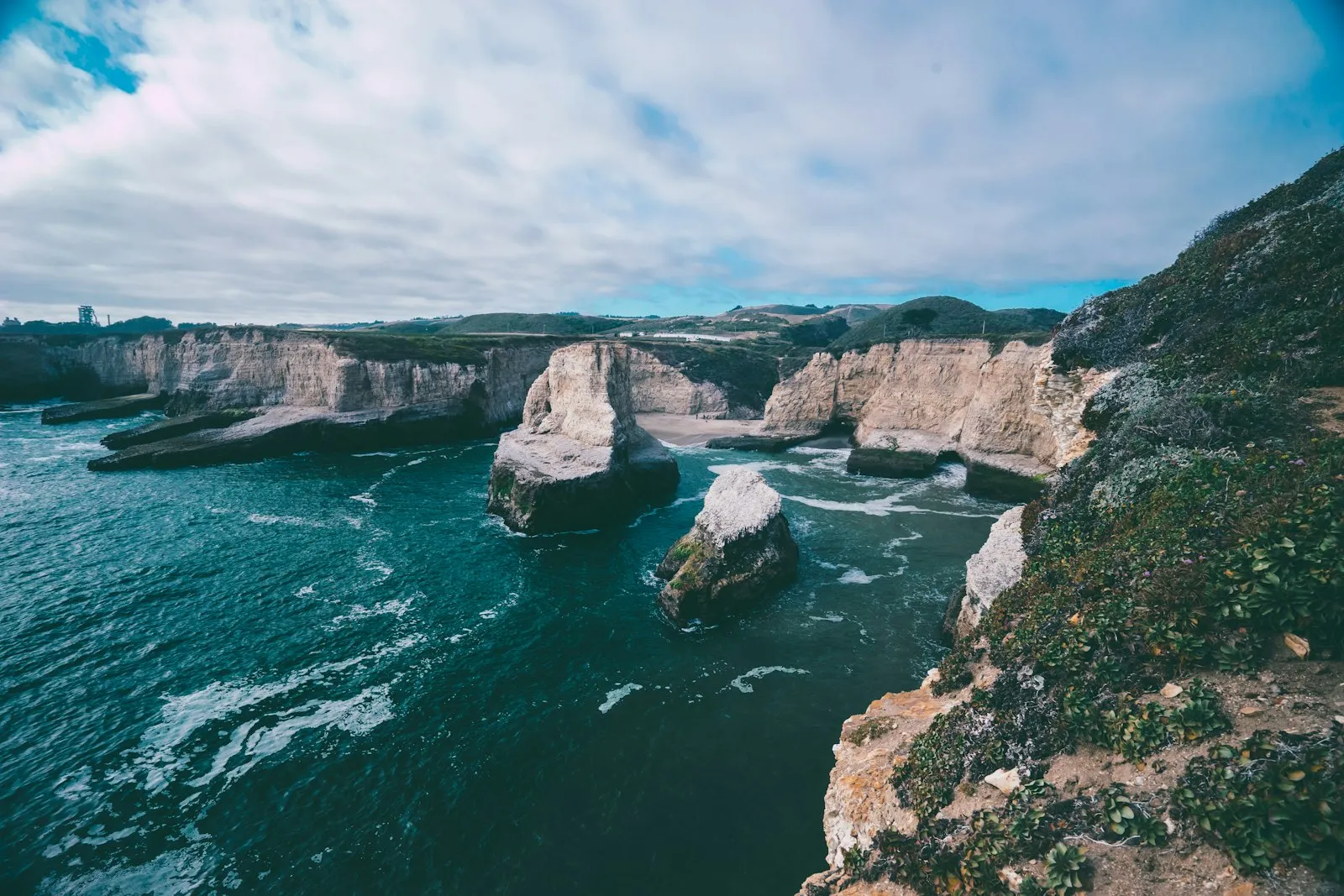
There is exactly one campground inside Arches National Park, and it sits at the very end of the park road, 18 miles past the entrance station, wedged among the sandstone fins that give the Devils Garden area its name. Wake up here and you are already standing in the most concentrated collection of natural arches on Earth while the day-trippers from Moab are still queuing at the entrance. That single fact — location — is the entire argument for Devils Garden Campground, and it is a very good argument.
Here is the honest verdict: Devils Garden is one of the best-located campgrounds in the entire national park system, and among the hardest to book. Its 51 sites sit at about 5,200 feet among slickrock outcrops, piñon pines, and junipers, with red-rock fins rising directly behind many pads. It is pure dry camping — no hookups, no showers, no dump station anywhere in the park — for $25 a night. Reservations are required March through October, open six months in advance on Recreation.gov, and the desirable spring and fall dates disappear almost immediately. If you can get a site, you take it. If you want full hookups, air conditioning on shore power, or a shower after a dusty hike, you stay in Moab and drive in — and there is no shame in that, as our Moab RV parks guide lays out.
This review covers what the campground is actually like site by site, what the dry-camping reality means for an RV, the current entry-reservation situation (which changed for 2026), and the alternatives if you strike out on a reservation — which, statistically, most people do.
Getting There
Devils Garden Campground is 18 miles from the Arches entrance station, at the literal end of the paved park road. That distance matters more than it sounds. Arches is not a park you drive through — the road dead-ends at the Devils Garden trailhead, right next to the campground. Everything you came to see (Balanced Rock, the Windows, the Delicate Arch viewpoint and trailhead, Fiery Furnace) sits along the road between the entrance and your campsite. Staying here means you drive the scenic road once on the way in, and after that the park’s marquee northern trailhead is a walk from your picnic table.
The drive itself takes 35 to 45 minutes from the entrance without stops — the road climbs switchbacks up from the visitor center and then winds through the park. Budget more in summer, when parking-lot congestion at the Windows and Delicate Arch can back things up. There is no fuel, food, or store anywhere inside the park, so arrive provisioned. Moab, the supply town for everything in this corner of Utah, is about five miles south of the park entrance on Highway 191 — call it a 45-minute to one-hour run from the campground each way. You do not want to make that drive because you forgot ice.
The timed-entry question, answered for 2026: Arches ran a timed-entry reservation system in recent years that required day visitors to book an entry slot in advance. In February 2026, the National Park Service announced that Arches will not use timed entry in 2026 — no advance entry reservation, no extra fee, no midnight Recreation.gov scramble just to drive through the gate. That simplifies life for everyone, campers included. Two things survived the change: campground reservations are still required March 1 through October 31, and Fiery Furnace hikes still require permits or reservations. The practical consequence of dropping timed entry is that the park no longer meters its own crowds, so expect the entrance line and trailhead lots to be worse at peak hours than in the timed-entry years. Campers at Devils Garden are insulated from most of that — you are already inside — which makes the campground reservation even more valuable than before. Verify the entry policy before any future-season trip, because the park has changed systems more than once.
The Campground
Devils Garden has 51 sites: 48 standard sites, 2 group sites, and 1 accessible site, arranged along a loop road that threads between sandstone fins. This is not a gravel-lot campground with a view of the scenery — the campground is in the scenery. Fins of Entrada sandstone rise directly out of the campground, sites are tucked into alcoves and against slickrock, and several tent pads sit on bare rock. Piñon and juniper provide the only shade, which is real but patchy; this is high desert at 5,200 feet, and in June through August the sun is a physical force from mid-morning until it drops behind the fins.
Best sites, per reviewer consensus: Sites 21, 22, and 24 sit near the high point of the campground and get the spectacular long views. Site 22 is the one that comes up again and again on Campendium and The Dyrt — level, spacious, big views, and one of the only spots in the campground with usable cell signal, because most of the loop sits in a signal-blocking bowl of rock. If you can get 22, get 22.
For RVs specifically: there are two pull-through sites — site 12 (small) and site 19 (large) — and site 19 is the obvious target for anyone towing. A long list of sites are parallel-parking style along the loop road (reviewers list 4, 5, 6, 9, 10, 23, 25, 38, 39, 40, 49, 50, 51, and others), which works fine for vans and truck campers but means backing a trailer parallel against a rock wall for bigger rigs. The rest are back-ins of widely varying dimensions.
RV length is site-specific, and this trips people up. Some paved spurs at Devils Garden handle rigs up to 40 feet, but plenty of sites max out around 25 feet, and the loop road itself curves tightly between fins. Recreation.gov lists a maximum vehicle length for every individual site — believe the number for your site, not the most generous number you saw quoted for the campground. If you are near the limits of what national park campgrounds accommodate, our national park RV rig size guide covers why the sub-30-foot sweet spot keeps campgrounds like this one on the table.
Sun exposure varies enormously by site. Sites backed against north-facing rock get merciful afternoon shade; open sites cook. In April, May, September, and October — the months everyone fights for — this matters less. In July it is the difference between a pleasant camp and an oven, especially with no electric hookups to run air conditioning (generator hours are short — more below).
Nights here are the payoff regardless of site number. Arches is an International Dark Sky Park, the campground is 18 road miles from the nearest town lighting, and the Milky Way over the silhouetted fins is the kind of sky most Americans have never actually seen. Reviewers consistently rank the night sky and the dawn quiet as the reasons they fight for these reservations year after year.
Amenities: The Dry-Camping Reality
Keep expectations calibrated: this is a national park campground, and a deliberately spare one.
What you get: flush toilets, potable water spigots, picnic tables, fire rings with grates, and trash service. That is the full list.
What you do not get: hookups of any kind — no electric, no water, no sewer at any site. No showers. No camp store. And critically for RVers, no dump station anywhere in Arches National Park. The nearest dump and potable-water fill for tanks is in Moab, roughly 23 miles from the campground. That shapes the whole trip for an RV: arrive with full fresh water and empty holding tanks, because there is no topping up or dumping without a 45-plus-minute round trip out of the park.
Generators are restricted to short posted windows — reviewers cite a morning window of 8 to 10 a.m. — so plan power around solar and batteries rather than assuming you can run a generator on demand. Confirm the posted hours on the campground bulletin board when you arrive; do not count on running rooftop air conditioning here in any meaningful way. In midsummer, that constraint alone pushes many big-rig travelers to full-hookup parks in Moab, and it is the right call for them.
Cell service is effectively absent for most carriers at most sites. The campground sits down among the fins; reviewers report zero bars on major networks at their sites, with usable signal only at elevated spots like the amphitheater and a handful of high sites (22 again). Starlink users report it works well. Download maps, tell people you will be dark, and treat any connectivity as a bonus.
Stay limits: no more than 7 nights per month and 14 nights per year at this campground. Nobody is homesteading Devils Garden.
What’s Nearby
Devils Garden Trail starts at the end of the road, steps from the campground — this is the single biggest perk of staying here. The trail leads past a series of named arches, headlined by Landscape Arch, an impossibly thin ribbon of sandstone that ranks among the longest natural rock spans in the world. The front section of the trail is broad and easy; beyond Landscape Arch it turns into genuine slickrock scrambling on the primitive loop, with exposure that surprises people expecting a garden path. Campers can be at Landscape Arch at first light, alone, while day visitors are still 18 miles away at the entrance. Do this. It is the whole point of the reservation.
Delicate Arch — the one on Utah’s license plates — is a drive back down the park road from the campground, then a strenuous, shadeless slickrock hike to the arch itself. Sunset is the iconic light and also the peak crowd; staying inside the park means you can hike it at sunset and drive 20 minutes back to camp instead of an hour-plus back to Moab in the dark, or beat everyone to it at dawn.
Fiery Furnace, the maze of narrow fins between the campground and the entrance, requires a permit or a spot on a ranger-led hike — these still require advance reservations even though the park-wide timed entry is gone. Book ahead if it is on your list.
Stargazing requires no plan at all: walk away from the campground lights after dark. The amphitheater hosts ranger programs in season, and any slickrock slab doubles as a reclining observatory in this Dark Sky Park.
For everything beyond Arches — Canyonlands’ Island in the Sky district, Dead Horse Point, the Colorado River corridor — Moab is the hub, and our Moab RV parks and campgrounds guide maps the whole area’s options.
The Honest Details
What works:
- The location is unbeatable, full stop. You sleep inside a landscape people fly across the world to see for two hours, at the trailhead of the park’s best hike, 18 miles ahead of every day visitor.
- $25 a night is one of the best values in American camping given what surrounds you.
- The sites among the fins have genuine character — slickrock, alcoves, framed views — rather than campground-grid sameness.
- Dark Sky Park night skies and dead-quiet dawns.
- Flush toilets and potable water are more than many comparable desert campgrounds offer.
- For 2026, no timed-entry hoops for anyone — your campground booking is the only reservation you need for the park itself.
What doesn’t:
- Getting a reservation is the hardest part of the trip. Six-month window, instant sellouts for prime dates, and no in-park backup — miss out and you are commuting from Moab.
- Zero hookups, no showers, no dump station in the park, and a short morning-only generator window. Midsummer in an RV without shore power here is a serious commitment.
- Essentially no cell service for most carriers.
- Every supply run is a 45-plus-minute drive each way to Moab.
- Site dimensions are inconsistent and the access road is tight; larger rigs are limited to a shortlist of sites that sell out first.
Who it’s for: self-contained campers — tents, vans, truck campers, and RVs under about 30 feet with solar or battery capacity — who plan six months ahead and want the park more than they want amenities. Hikers who care about first light on the Devils Garden trail. Stargazers.
Who should stay in Moab instead: big rigs over 40 feet (they physically will not fit), anyone who needs air conditioning on demand in summer, travelers who need connectivity, and anyone booking less than a few months out for high season — realistically, the reservation will not be there.
Full Specs & Booking
- Hookups: None — no electric, water, or sewer at any site. Dry camping only.
- Sites: 51 total (48 standard, 2 group, 1 accessible). Two pull-throughs (sites 12 and 19); mix of back-in and parallel sites.
- Cost: $25/night standard sites; group sites $75–$250/night by group size and season. Park entrance fee separate.
- Season: Open year-round. Reservations required March 1 – October 31; first-come, first-served November 1 – end of February.
- Reservation: Recreation.gov, six months in advance; book at least 4 days before arrival during reservation season. Prime spring/fall dates sell out almost immediately when the window opens.
- Cell signal: Little to none at most sites (rock fins block signal); some coverage at the amphitheater and elevated sites; Starlink reported to work well.
- Max RV length: Varies by site — some spurs to 40 ft, many around 25 ft. Check your specific site’s listing on Recreation.gov.
- Amenities: Flush toilets, potable water, picnic tables, fire rings, amphitheater. No showers, no dump station (nearest in Moab), no store. Generator use limited to short posted hours (reviewers cite 8–10 a.m.).
- Stay limit: 7 days per month, 14 days per year.
- Elevation: ~5,200 ft.
- Distance: 18 miles from the park entrance; roughly 23 miles from Moab.
Booking strategy: know your arrival date, log into Recreation.gov before the six-month mark, and be ready the moment your window opens. Flexible mid-week dates in April, May, September, and October are the realistic targets; weekend dates go first. Winter flips the script entirely — from November through February the campground is first-come, first-served, often quiet, and cold-weather campers get the fins to themselves.
If You Can’t Get In: The Alternatives
Most people who want Devils Garden do not get Devils Garden. Here is how the fallback options actually compare:
| Option | Hookups | Cost | Reservation | Distance to Arches entrance |
|---|---|---|---|---|
| Devils Garden (in-park) | None | $25 | Rec.gov, 6 months out | Inside park (18 mi to gate) |
| BLM campgrounds, Hwy 128 | None | ~$20 | First-come, first-served (individual sites) | ~5–20 min |
| Moab private RV parks | Full hookups | ~$50–$80+ peak | Direct, easier to get | ~10 min |
BLM camping along Highway 128 is the closest thing to the Devils Garden experience outside the park: a string of no-hookup campgrounds along the Colorado River beneath red-rock cliffs, starting with Goose Island just 1.4 miles up Highway 128 from its junction with Highway 191 — minutes from the Arches entrance. Individual sites are first-come, first-served at about $20/night, with pit toilets and no water spigots, so arrive self-contained. The catch is the same popularity problem in different clothes: these campgrounds typically fill by morning from March through October. Show up early — as in, be circling the loop by 9 a.m. as the previous night’s campers pull out.
Moab’s private RV parks trade the wilderness setting for full hookups, showers, pools, and easy town access. Spanish Trail RV Park is our pick for a reliable full-hookup basecamp — 50-amp service and a red-cliff backdrop about three miles south of downtown — and it is the sane choice for big rigs, summer heat, and anyone who could not plan six months ahead. Peak-season pricing in Moab is real ($78+/night at the better parks), but so is air conditioning in July.
The honest bottom line: Devils Garden is not the practical choice, it is the experiential one. It asks you to plan half a year ahead, carry your own power and water, and live without a signal — and it pays you back with dawn alone among the fins and a night sky you will describe to people for years. If that trade sounds right, set the calendar alert for six months before your dates and be quick. For the full picture of camping across Utah’s national parks, our Utah national parks RV guide covers the other four.
Frequently asked questions
How far in advance do I need to reserve Devils Garden Campground?
Reservations open six months in advance on Recreation.gov and are required from March 1 through October 31. Spring and fall weekends are typically gone within minutes to hours of the window opening, so set a calendar alert for exactly six months before your arrival date. From November 1 through the end of February, all sites are first-come, first-served.
What size RV fits at Devils Garden Campground?
It varies site by site. Some paved parking spurs handle rigs up to 40 feet, but many sites max out around 25 feet, and the campground road winds through rock fins with tight curves. Check the listed maximum length for your specific site on Recreation.gov before booking — do not assume the campground-wide numbers apply to your site.
Do campers at Devils Garden need an Arches timed-entry reservation?
Not in 2026. The National Park Service announced in February 2026 that Arches will not use the timed-entry system this year, so no advance entry reservation is required for anyone. Your campground reservation is still required from March through October — that never went away. Check the NPS Arches site before your trip in case the entry policy changes in future seasons.
Is there cell service at Devils Garden Campground?
Mostly no. The campground sits in a bowl surrounded by sandstone fins, and campers report little to no signal on major carriers at most sites. Reviewers note usable signal at higher spots like the amphitheater area and at a few elevated sites (site 22 is frequently mentioned), and Starlink reportedly works well. Plan to be offline.
Which are the best sites at Devils Garden Campground?
Reviewer consensus points to sites 21, 22, and 24 near the high point of the campground for the biggest views — site 22 in particular is called out as level and spacious with rare cell signal. For RVs, site 19 is the larger of the two pull-throughs (site 12 is a small pull-through). Many other sites are parallel-parking style along the loop road.
How much does Devils Garden Campground cost?
Standard sites are $25 per night. The two group sites run $75 to $250 per night depending on group size and season. There are no hookups at any price — every site is dry camping. The park entrance fee is separate.
About the author
Dale HartmanLead RV Park Reviewer
Dale has lived on the road full-time since 2014, when he sold the house in Boise and moved into a 34-foot fifth wheel with his wife and a stubborn beagle named Otis. In the years since, he's parked at more than 400 campgrounds across 41 states — from boondocking sites with no hookups to luxury resorts with concrete pads and pickleball courts.
More from Dale →Campgrounds in this guide
Facts pages for each park — hookups, rig limits, rates and booking, plus every guide that covers it.
Keep reading
Zion River Resort RV Park & Campground Prices, Sites & Review (2026)
An honest review of Zion River Resort in Virgin, Utah — verified 2026 full-hookup rates, riverfront vs standard sites, big-rig access, and how it compares to Watchman Campground inside Zion.
Ruby's Inn RV Park & Campground Prices, Sites & Review: Is It Worth It Near Bryce Canyon? (2026)
Ruby's Inn RV Park review with 2026 prices (most stays $62–$82/night, live quote), 250 campsites, full hookups, April–October season, NPS shuttle access, amenities and what reviews say.
Spanish Trail RV Park Review: Moab Rates, Sites & Rig Fit (2026)
A researched Spanish Trail RV Park review — current $69–$120 rates, full-hookup site lengths, fees, cancellation terms, pool, and Moab access.