Yellowstone National Park Campgrounds Compared for RVs (2026)
Compare Yellowstone campgrounds by 2026 price, dates, location, hookups, and official RV-plus-vehicle limits to choose the right base.
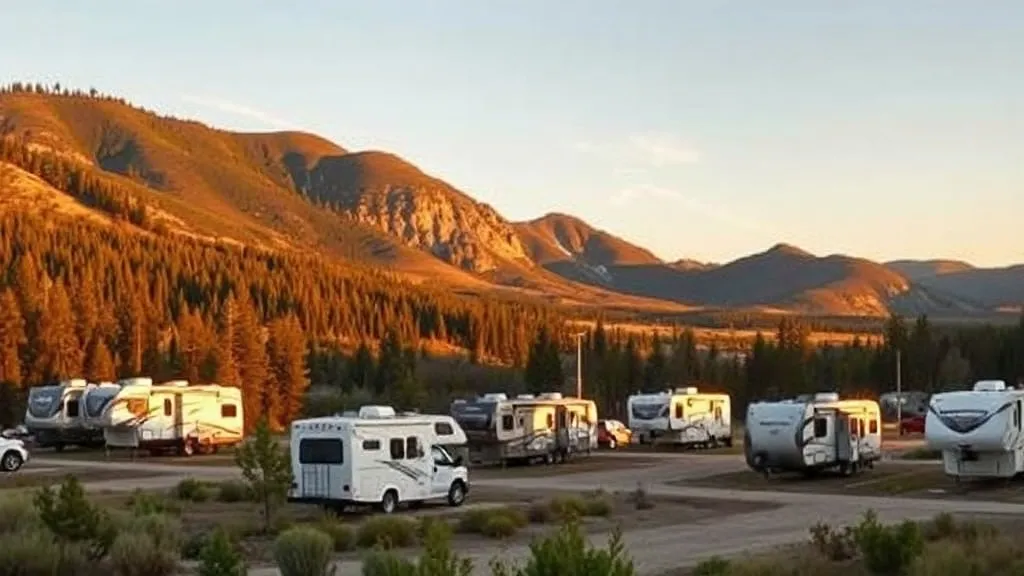
Once you have decided to camp inside Yellowstone, the real question is which campground. For RVers it comes down to five developed campgrounds operated by Yellowstone National Park Lodges: Madison, Bridge Bay, Canyon, Fishing Bridge RV Park, and Grant Village. They look interchangeable on a reservation page. They are not. The difference between booking the right one and the wrong one is the difference between waking up where you want to be and driving an hour each morning to get there.
This comparison cuts through it. We will line up the five on the things that actually matter to an RVer — where they sit relative to the attractions, what size rig they take, whether you get hookups, and what the place actually feels like — so you can book with confidence. For the full park-wide picture including the smaller dry campgrounds, see our flagship Yellowstone RV camping guide.
One thing to settle immediately: only Fishing Bridge RV Park has hookups. The other four are dry. If plugging in is non-negotiable, the comparison is over before it starts. If you can dry camp, location becomes the deciding factor.
Fast answer: choose Madison for the West Entrance and geyser basins, Canyon for Hayden Valley and the Grand Canyon of the Yellowstone, Grant Village for a Grand Teton combination, Bridge Bay for the lake, and Fishing Bridge for full hookups or the largest rigs. NPS lists 2026 base prices of $38 plus tax at Madison/Bridge Bay, $45 plus tax at Canyon/Grant, and $94 plus tax at Fishing Bridge.
Related guides: Mammoth Campground Review: Yellowstone’s Only Year-Round Campground
The quick comparison
| Campground | Best location for | Hookups | Max length | Vibe |
|---|---|---|---|---|
| Madison | West Entrance, Old Faithful, geyser basins | None | 60 ft | Riverside forest, fly fishing |
| Bridge Bay | Yellowstone Lake, boating, central loop | None | 60 ft | Large, open, busy |
| Canyon | Grand Canyon of the Yellowstone, Hayden Valley | None | 40 ft | Wooded, full village nearby |
| Fishing Bridge | East side, Hayden Valley, big rigs, hookups | Full (E/W/S) | 40–95 ft | Developed RV park, hard-sided only |
| Grant Village | South Entrance, Grand Teton, lake | None | 50 ft | Lakeside, full village nearby |
2026 dates and base prices
| Campground | 2026 season | Base nightly price | Sites |
|---|---|---|---|
| Madison | May 1–Oct 17 | $38 + tax | 276 |
| Bridge Bay | May 15–Sep 13 | $38 + tax | 431 |
| Canyon | May 29–Sep 19 | $45 + tax | 272 |
| Fishing Bridge | May 8–Oct 17 | $94 + tax | 310 |
| Grant Village | Jun 26–Sep 26 | $45 + tax | 429 |
Those are the current NPS-published base rates, not a guaranteed checkout total. For 2026, reserve these five through Yellowstone National Park Lodges; the concessioner assigns the specific campsite at check-in. The system moves to Recreation.gov for the 2027 season.
The smaller dry campgrounds (Recreation.gov)
The five concessioner campgrounds get most of the attention, but the smaller Recreation.gov campgrounds also take RVs and can be useful when the big ones sell out. All campsites require advance reservations except Mammoth’s winter first-come period from October 15 through April 1.
- Mammoth sits in the lower northwest corner at about 6,200 feet. NPS lists a 45-foot combined limit in season and 30 feet in winter. It is the only year-round campground and switches to first-come camping from October 15 through April 1.
- Indian Creek is small and quiet at about 7,300 feet between Mammoth and Norris, with a 35-foot combined limit in the NPS 2026 table.
- Tower Fall is scenic but tight — a 30-foot limit and a sharp hairpin on the approach make it a poor fit for anything large. Best for compact rigs heading to the northeast and Lamar.
- Lewis Lake sits near the South Entrance at high elevation with a strictly enforced 25-foot total limit. It’s a small-rig and tent-camper’s lake campground, not a big-rig option, but it’s well placed for a Grand Teton combo.
Location: where each one puts you
Madison is the closest in-park campground to the West Entrance, 14 miles in, where the Gibbon and Firehole rivers join the Madison. It is the geyser-basin and Old Faithful basecamp, and the natural choice if you are arriving from West Yellowstone, Montana.
Bridge Bay sits on Yellowstone Lake near the marina, central to the eastern loop and the obvious pick if you want lake activities and boating.
Canyon is in the heart of the park near Canyon Village, the best base for the Grand Canyon of the Yellowstone and for Hayden Valley, the wildlife corridor most visitors rank as the highlight of the trip.
Fishing Bridge RV Park is near Yellowstone Lake on the east side, well placed for Hayden Valley and the eastern attractions — and the only place to plug in.
Grant Village is on the southwest shore of Yellowstone Lake near the South Entrance, the smart choice if you are combining Yellowstone with Grand Teton or entering from Jackson.
Field tip: Yellowstone’s loop roads are long and slow, and wildlife jams can add an hour without warning. Pick the campground nearest the attractions you care most about rather than the one that’s cheapest or first to show availability — you will spend that saved money on fuel and that saved time in traffic.
Rig size: what actually fits
This is where the five separate hard.
- Fishing Bridge RV Park takes the biggest combined setups in the park, with official booking categories up to 95 feet. If you are running a 40-foot-plus fifth wheel or a big motorhome with a toad, this is your most realistic in-park fit.
- Grant Village is the most generous of the dry campgrounds at up to 50 feet.
- Madison and Bridge Bay list maximum combined lengths up to 60 feet in the NPS 2026 table; Canyon tops out at 40 feet. Sites at 40 feet or more are limited.
Remember that posted limits often mean total combined length, including a tow vehicle or towed car. A 34-foot motorhome pulling a small SUV can easily push past 40 feet on paper. Measure honestly before you book.
Renting an RV for this trip? Compare rigs, prices, and pickup locations on RVshare and Outdoorsy — both let you filter by rig size, dates, and location.
Hookups, showers, and services
Only Fishing Bridge has full hookups (electric, water, sewer), plus on-site showers, laundry, a dump station, and a registration building. It is also hard-sided RVs only and enforces strict food storage because of grizzly activity.
The four dry campgrounds have no site hookups, but services vary:
- Canyon and Grant Village sit beside developed villages with showers, laundry, and stores — the most comfortable dry-camping experience.
- Bridge Bay has a dump station and marina nearby but is more spartan at the site.
- Madison has a dump station and potable water but no showers at the campground; it is the most “out in nature” of the developed group.
All four require you to run on batteries, solar, and propane, with generators allowed only in designated RV/combination loops. Parkwide, generator hours run 8:00 a.m. to 8:00 p.m. and units must stay under 60 decibels at 50 feet; generators are banned at tent-only sites and overnight everywhere. If you rely on A/C or a CPAP, that quiet-hours window is the real constraint at every dry campground — Fishing Bridge’s shore power is the only way around it.
The full spec comparison
This table folds in elevation (which drives temperature and how early/late a campground is usable), generator access, the attractions each one anchors, and honest big-rig suitability. Site counts and elevations are approximate; confirm current details for 2026 when you book.
| Campground | Approx. elevation | Approx. sites | Generators | Nearby attractions | Big-rig suitability |
|---|---|---|---|---|---|
| Madison | 6,800 ft | 276 | RV loops, 8a–8p | Old Faithful, geyser basins, Madison River | Up to 60 ft combined; longer sites limited |
| Bridge Bay | 7,700 ft | 431 | RV loops, 8a–8p | Yellowstone Lake, marina, central loop | Up to 60 ft combined; longer sites limited |
| Canyon | 7,900 ft | 272 | RV loops, 8a–8p | Grand Canyon of the Yellowstone, Hayden Valley | Up to 40 ft; highest, can be cold |
| Fishing Bridge | 7,800 ft | 310 | Full hookups | Yellowstone Lake, Hayden Valley, Lake Village | Up to 95 ft combined; hard-sided only |
| Grant Village | 7,800 ft | 429 | RV loops, 8a–8p | West Thumb, South Entrance, Grand Teton | Up to 50 ft combined |
| Mammoth | 6,200 ft | 82 | RV loops, 8a–8p | Mammoth Hot Springs, north range, Lamar | 45 ft in season; 30 ft winter; year-round |
| Indian Creek | 7,300 ft | 70 | RV loops, 8a–8p | Mammoth–Norris corridor, Sheepeater Cliff | 35 ft combined; rustic |
| Tower Fall | 6,600 ft | 31 | RV loops, 8a–8p | Tower Fall, Lamar Valley, northeast | 30 ft max + hairpin; small rigs only |
| Lewis Lake | 7,800 ft | 84 | RV loops, 8a–8p | Lewis Lake, South Entrance, Grand Teton | 25 ft strict; not for big rigs |
Field tip: Elevation is the quiet variable. Canyon at ~7,900 feet can drop near freezing on a June night while Mammoth at ~6,200 feet stays mild. If you’re camping at the shoulders of the season, the lower campgrounds (Mammoth, Tower Fall) are the more forgiving bet.
Vibe: what the place feels like
Madison feels like camping on a trout river in a lodgepole forest. Elk graze through at dawn, bison occasionally close the internal road, and anglers book it specifically for the water. It is large but the river setting carries it.
Bridge Bay is the biggest campground in the park and feels like it — open, busy, and functional, with the lake as the draw rather than the campsites themselves.
Canyon is wooded and well-treed, with the convenience of a full village steps away. A good all-rounder that balances nature and amenities.
Fishing Bridge feels like a developed RV park rather than a wilderness campground — paved, organized, hard-sided rigs in rows. You trade ambiance for hookups and big-rig space.
Grant Village is lakeside and pleasant, with village amenities close by and the most southern-loop convenience of the group.
Which one should you book?
- You need hookups or run a big rig (40 ft+): Fishing Bridge RV Park is the safest fit. Madison and Bridge Bay list some longer sites, but inventory is limited and neither has hookups.
- You’re entering from West Yellowstone and want Old Faithful: Madison.
- Hayden Valley wildlife and the Grand Canyon of the Yellowstone are the priority: Canyon.
- You’re pairing the trip with Grand Teton or entering from the south: Grant Village (or, for a smaller rig, Lewis Lake).
- You want lake access and boating, central in the park: Bridge Bay.
- You want the lowest, earliest/latest-season campground—or winter camping: Mammoth, with a 45-foot seasonal and 30-foot winter combined limit.
- The developed five are sold out and you can dry camp small: Indian Creek (35 feet) is a rustic fallback; Tower Fall and Lewis Lake cap combined length at 30 and 25 feet respectively.
- You’re chasing wolves in Lamar Valley: none of the big-rig campgrounds are close; Tower Fall is the nearest RV-capable option, but it’s tight, and the small Lamar campgrounds (Slough Creek, Pebble Creek) are not big-rig friendly.
For the smaller, more rustic dry campgrounds and the full reservation breakdown, head back to the Yellowstone RV camping flagship guide. To actually secure a site, our Yellowstone campground reservations guide covers the two booking systems and the cancellation tactics that work. And for everything about the one full-hookup option, see the Fishing Bridge RV Park guide.
Planning the wider trip? Start at the Montana RV parks hub and our West Yellowstone RV parks guide for hookup options just outside the gate.
Facts checked July 18, 2026 against the NPS campground table, NPS operating dates, and Yellowstone National Park Lodges camping policies. For 2026, the five concessioner campgrounds book through Yellowstone National Park Lodges; beginning in 2027, they move to Recreation.gov.
Frequently asked questions
Which Yellowstone campground is best for big rigs?
Fishing Bridge RV Park takes the largest combined setup at up to 95 feet and is the only campground with full hookups. The NPS 2026 table lists Madison and Bridge Bay up to 60 feet, Grant Village up to 50 feet, and Canyon up to 40 feet, but longer-site inventory is limited and the booked category must fit the RV plus tow or towed vehicle.
Which Yellowstone campground is closest to the West Entrance?
Madison Campground, 14 miles in from the West Entrance along the Madison River. It is the natural pick if you are entering from West Yellowstone, Montana, and it puts you near Old Faithful and the geyser basins.
What is the best Yellowstone campground for wildlife?
Canyon is the strongest base for Hayden Valley, one of the best wildlife corridors in the park for bison, elk, and bears. Fishing Bridge and Bridge Bay also put you near Hayden Valley and Yellowstone Lake. For wolves, the Lamar Valley campgrounds in the northeast are better, but they are small and not big-rig friendly.
Do any of these five campgrounds have hookups?
Only Fishing Bridge RV Park has full hookups. Madison, Bridge Bay, Canyon, and Grant Village are all dry camping — no electric, water, or sewer at the site — though they have dump stations and the developed villages have showers and laundry nearby.
Which Yellowstone campground is best for visiting Old Faithful?
Madison is closest to the Old Faithful and geyser-basin area on the park's west side. Grant Village is also reasonable for the southern geyser basins. Canyon and the lake campgrounds are farther, better suited to the central and eastern attractions.
Which Yellowstone campground is open in winter?
Mammoth is Yellowstone's only year-round campground. NPS lists first-come, first-served camping from October 15 through April 1, with a 30-foot RV-plus-vehicle winter limit; the seasonal limit is 45 feet. Every other campground is seasonal.
Are generators allowed at Yellowstone campgrounds?
Yes, but only at designated RV and combination sites and only during daytime hours, roughly 8:00 a.m. to 8:00 p.m., with a 60-decibel limit at 50 feet. Generators are banned at tent-only sites and overnight. Fishing Bridge RV Park is the only campground with shore power, so it is the only way to run air conditioning around the clock.
About the author
Marisol ReyesCamping & Outdoors Editor
Marisol spent six years as an interpretive ranger in the California and Colorado state park systems before turning to writing full-time. She knows public-land camping from the inside — how reservation windows really work, why some loops fill before others, and which 'first-come, first-served' sites are worth gambling on.
More from Marisol →Campgrounds in this guide
Facts pages for each park — hookups, rig limits, rates and booking, plus every guide that covers it.
Keep reading
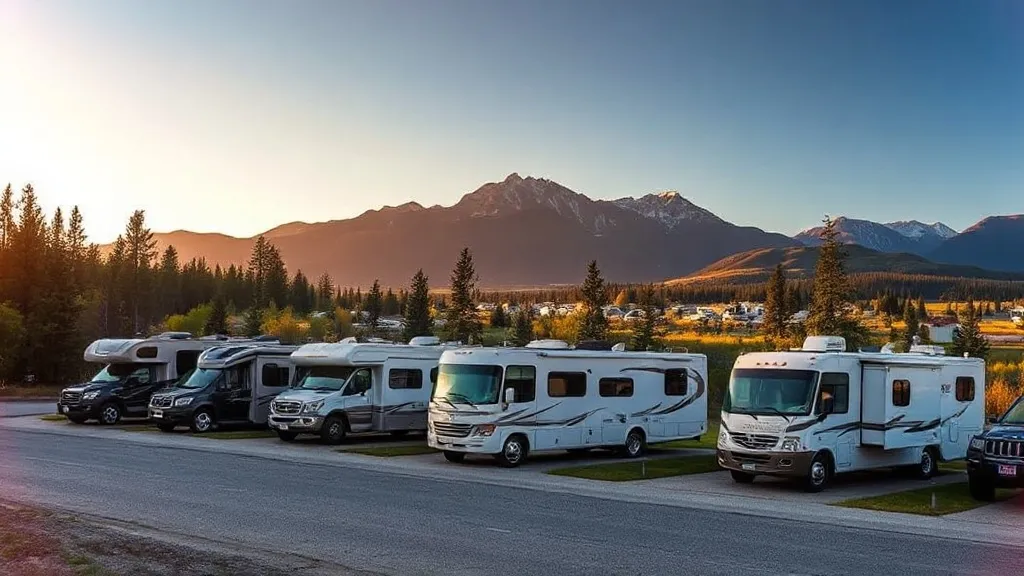
Yellowstone vs Glacier: Which Montana National Park is Better for RV Camping?
Yellowstone vs Glacier for RV camping, compared on verified 2026 fees, rig-length limits, hookups, and the 2026 access rules that changed at both parks.
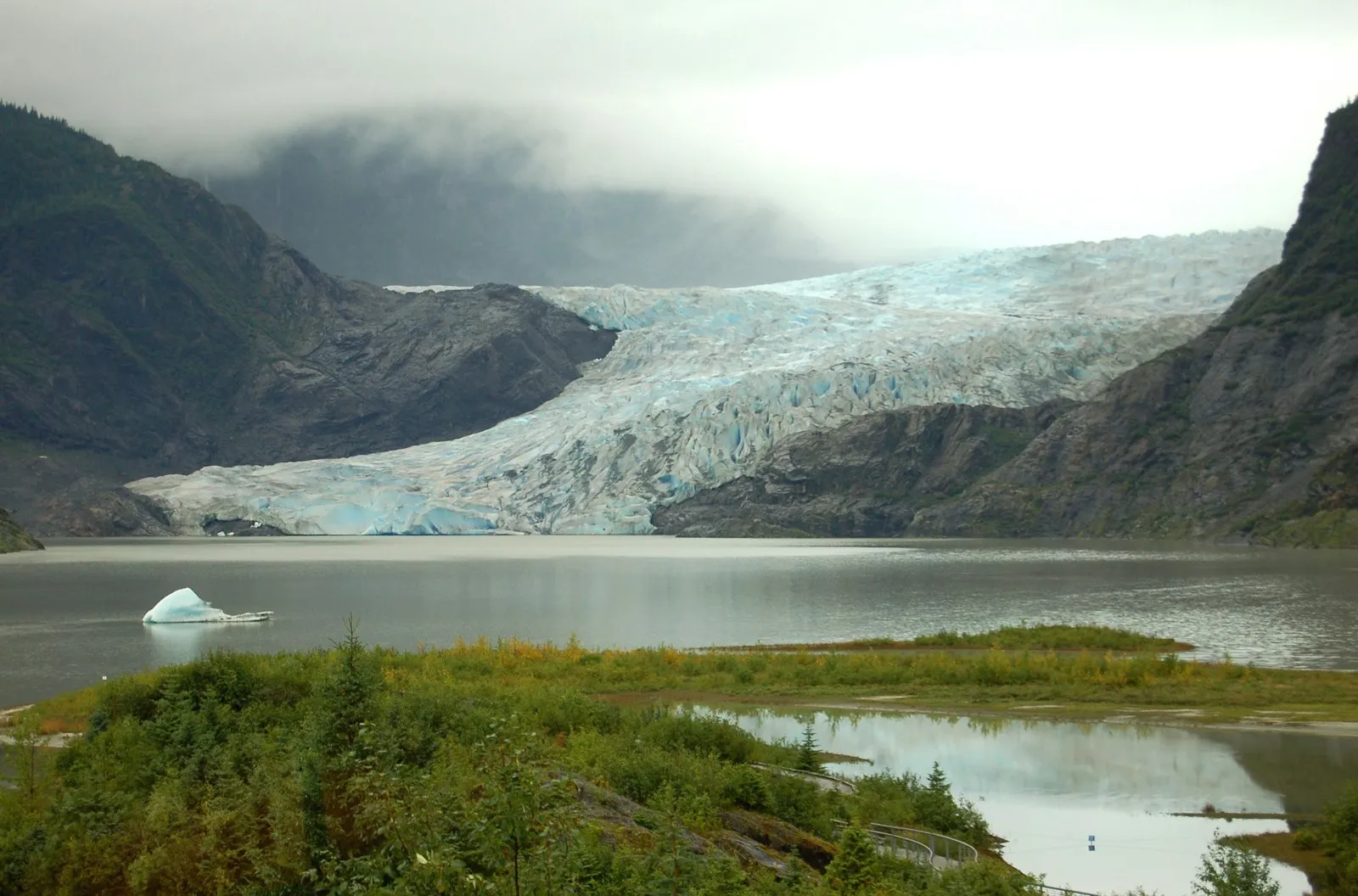
Many Glacier Campground Prices, Showers & Reviews (2026)
An honest Many Glacier Campground review — 109 sites at $30/night, no hookups, token showers next door at Swiftcurrent, a famously tight RV limit, the 2026 reopening after the water-system rebuild, and the best trailhead access in Glacier.
St. Mary Campground Prices, Sites & Review: Glacier's East Side
St. Mary Campground prices, reservation dates and an honest loop-by-loop review, including its no-hookup sites, wind exposure and 2027 construction closure.