RV vs Van Life: Which Rig Fits Your Travel Style?
Compare RV vs van life by space, mobility, campsite access and real ownership costs—then use the decision checklist before buying either rig.

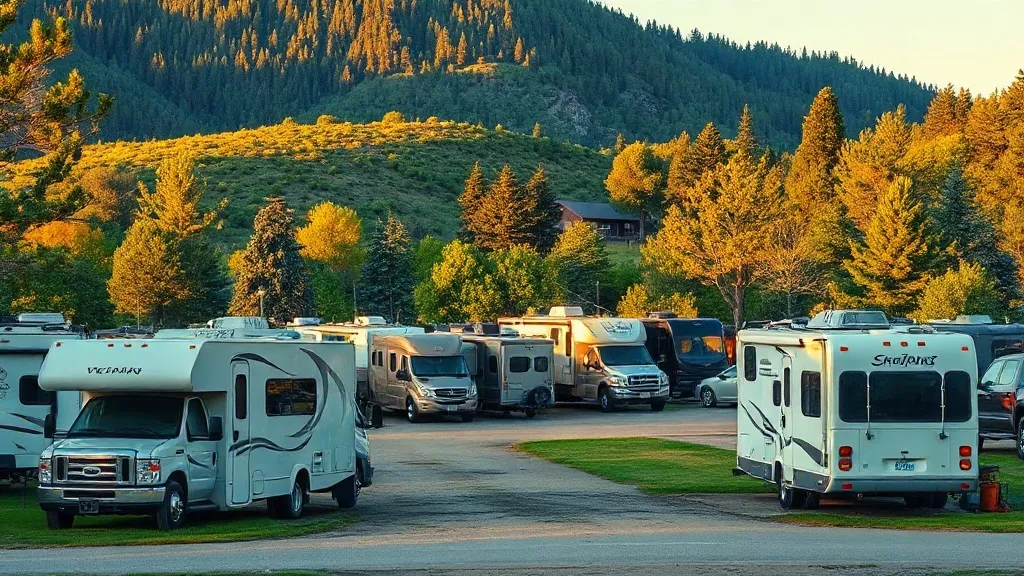
Choose a camper van if one-vehicle mobility, frequent moves and fitting into more parking situations matter most. Choose a larger motorhome or towable if separate living zones, storage and longer stationary stays matter most. Neither is automatically cheaper: the answer changes with the exact vehicle, build, financing, insurance, mileage and number of paid campground nights.
That is the useful version of the RV-versus-van debate. A social-media label should not decide a six-figure purchase. Your travel pattern should.
First, Define What You Are Comparing
“RV” is not one vehicle type. A travel trailer, Class C motorhome and 40-foot Class A have different purchase, driving and campsite requirements. A camper van may be a factory Class B, a professional conversion or a DIY build on a cargo-van chassis.
This guide compares a self-contained camper van with a larger motorhome or towable. Before pricing either one, write down the exact models you are considering. Category averages hide more than they reveal.
RV vs Van: Quick Comparison
| Decision factor | Larger RV / towable | Camper van |
|---|---|---|
| Living space | More room and clearer zones | Compact; rooms often serve multiple jobs |
| Sleeping | More likely to have a permanent bed | Often a fixed platform or convertible bed |
| Bathroom | More likely to have a separate dry bath | Wet bath, compact toilet setup or no indoor shower |
| Kitchen | More counter, refrigeration and storage | Compact galley; appliance choices matter |
| Work space | Easier to create a dedicated desk | Usually shares the dining or sleeping area |
| Driving | Wider turning and parking consequences | Easier one-vehicle travel and errands |
| Campsite fit | Exact length, height and combination matter | Fits more sites, but still must meet limits |
| Setup | More leveling, connections and exterior setup | Faster arrival/departure in many builds |
| Storage | Better for sports gear and long stays | Forces a smaller kit |
| Ownership cost | Can be lower or higher depending on model/use | Can be lower or higher depending on chassis/build |
The Fast Decision Test
Choose a camper van when most of these sound like your trip:
- You move every one to three nights.
- One or two people can share a compact interior without needing separate rooms.
- You want to drive the same vehicle to trailheads, groceries and restaurants.
- You are comfortable managing a smaller fresh-water tank, refrigerator and storage system.
- You will trade indoor space for more route and parking flexibility.
Choose a larger motorhome or towable when most of these sound like your trip:
- You stay a week or longer in one campground.
- You travel with children, pets or another adult who needs a separate work/sleep zone.
- A permanent bed, larger bathroom or full kitchen materially improves the trip.
- You carry bikes, mobility equipment or seasonal gear that will not fit comfortably in a van.
- You are prepared to confirm campsite fit and plan local transportation after setup.
If your answers split evenly, rent both formats before buying. A weekend in each reveals more than another month of specification comparisons.
Compare Real Costs, Not Internet Ranges
There is no defensible universal “RV costs X, van costs Y” table. Use a worksheet with quotes tied to the exact vehicles:
- Purchase and financing: negotiated price, tax, registration, interest, delivery and immediate upgrades.
- Insurance: quotes for the actual VIN, drivers, garaging address, annual mileage and full-time/part-time use.
- Fuel: expected annual miles divided by the exact vehicle’s realistic fuel economy, multiplied by your route’s fuel price.
- Maintenance: chassis service, tires, house systems, roof/seal inspections and an repair reserve.
- Camping: expected paid nights multiplied by the site categories your rig actually needs.
- Storage: off-site parking when the vehicle cannot live at home.
- Second vehicle: tow setup, a towed car or rental/transit costs after the larger rig is parked.
Use FuelEconomy.gov for an exact listed chassis rather than assuming every van or motorhome gets the same mileage. Decode a used vehicle through the NHTSA VIN tool and verify payload/GVWR on the manufacturer label and manual. A conversion’s water, batteries, cabinetry and gear all consume payload.
A Simple Ownership Formula
For each candidate, calculate:
annual fixed costs + (annual miles × cost per mile) + paid camping + storage + repair reserve
Keep loan principal separate from depreciation so you do not count the same cost twice. Then run a low-, expected- and high-use scenario. The goal is not a perfect forecast; it is seeing which assumptions make one vehicle unaffordable.
Campsite Access and Rig Size
A shorter vehicle generally opens more inventory, but there is no universal national-park cutoff. Our source-backed RV Park Price & Booking Index includes exact examples ranging from 24-foot national-park limits to resort pull-through pads around 90 feet.
Before reserving, check:
- RV length and trailer length separately.
- Whether the limit applies to the RV, trailer or combined vehicle configuration.
- Site-pad length versus the campground-wide maximum.
- Slide-out clearance, turning radius, road restrictions and overhead clearance.
- Whether a tow vehicle must fit on the same pad.
A van’s advantage is not “camp anywhere.” It is having more sites and day-use parking situations that may fit. Overnight parking rules still depend on the land manager and local law; never treat a discreet vehicle as permission.
For campsite systems, see full hookups vs partial hookups and our beginner boondocking guide.
Daily Life: The Trade-Off You Feel Every Hour
Bed and seating
A permanent van bed preserves sleep quality but consumes a large share of the interior. A convertible bed creates daytime seating but adds setup every morning and evening. Larger RVs are more likely to separate the bed from the dining area.
Bathroom
Do not ask only whether a rig “has a bathroom.” Sit in it. Close the door. Simulate showering and changing clothes. Check tank capacity and how the toilet is emptied. A compact wet bath may be perfect for occasional use and frustrating for daily use.
Kitchen
List the meals you actually cook. Measure the largest pan, coffee setup and food storage you bring. A van galley is enough for many couples; a larger kitchen becomes valuable when cooking for a family or spending long periods far from restaurants.
Work
Two remote workers need two usable positions, not a marketing photo of one swivel seat. Test camera background, screen glare, power draw and whether one person can sleep while the other works.
Weather
Bad weather compresses the trip into the interior. Imagine three consecutive rainy days with every traveler, pet and wet layer inside. This test often makes the correct size obvious.
Motorhome or Towable Changes the Answer
A travel trailer or fifth wheel separates camp from local transportation: set up once, then use the tow vehicle for errands. That can solve the larger motorhome’s mobility problem, but it adds hitching, backing, combined-length and payload/tow-rating decisions.
A motorhome keeps the living space accessible during travel but may need a towed vehicle or local transportation after setup. A camper van keeps one simple vehicle but forces every errand to move your campsite unless you leave exterior gear behind.
Compare all three patterns if you want RV space and van-like local mobility:
- Camper van only.
- Motorhome plus towed car or rentals/transit.
- Towable plus tow vehicle.
Try Before You Buy
Rent the closest real layouts you can find, not just the same broad category. During each test:
- Pack the exact travelers, pets and gear.
- Cook two normal meals.
- Work a normal half-day if remote work matters.
- Fill and empty the water/waste systems.
- Park at a grocery store and a trailhead.
- Set up after dark or in rain.
- Record every task that required moving another person or piece of gear.
The better rig is the one whose repeated annoyances you can live with.
Final Checklist
Before paying a deposit, answer these in writing:
- How many people need simultaneous sleeping, working and seating space?
- What percentage of nights will be in full-hookup parks, dry campgrounds or dispersed sites?
- How often will the rig move?
- What is the longest site or road restriction on your must-do route?
- Can the loaded vehicle remain within payload/GVWR and towing limits?
- What are the real insurance, storage and financing quotes?
- Where will you shower, do laundry and receive repairs?
- Can you legally park it at home?
- What is the exit plan if the travel style does not suit you?
Frequently Asked Questions
Is van life cheaper than RV life?
Not automatically. A modest used trailer can cost less than a professional van conversion, while a large motorhome can cost far more than either. Compare the exact purchase, financing, insurance, mileage, camping and repair assumptions.
Is a camper van easier in national parks?
Usually for site fit and day-use parking, but the exact campground and road limits still apply. A van does not override reservations, height restrictions or overnight-parking rules.
Can two people work remotely from a van?
Yes, if the layout provides two workable positions and the electrical/connectivity plan supports both. Test this before buying; floor-plan drawings do not show noise, glare or how often one person blocks the other.
Should a family choose an RV over a van?
Usually, a larger RV or towable gives a family more practical sleeping, storage and weather-day space. A van can still work for short trips or highly minimalist travel, but rent one with the full family before committing.
What is the biggest buying mistake?
Buying for an imagined identity instead of a repeatable trip. Price the exact vehicle, load the real gear and test the daily routine first.
About the author
Marisol ReyesCamping & Outdoors Editor
Marisol spent six years as an interpretive ranger in the California and Colorado state park systems before turning to writing full-time. She knows public-land camping from the inside — how reservation windows really work, why some loops fill before others, and which 'first-come, first-served' sites are worth gambling on.
More from Marisol →Keep reading
Is Thousand Trails Worth It? Camping Pass Zones, Membership Levels & Who Should Buy (2026)
An honest breakdown of Thousand Trails campgrounds and memberships: how the Camping Pass zones work, the 14-night and 4-out-of-7 rules, what the enhanced tiers add, and which RVers actually come out ahead.
Are Luxury RV Resorts Worth It? Real 2026 Prices & Value Test
Decide if a luxury RV resort is worth it using real 2026 rates, required fees, amenity use, location, rig rules, and a simple all-in cost test.
Full Hookup vs Partial Hookup: Sewer, Cost & Best Choice
Full hookups include water, electric, and sewer; partial hookups usually omit sewer. Compare current campground prices and choose the right RV site.