Are Luxury RV Resorts Worth It? Real 2026 Prices & Value Test
Decide if a luxury RV resort is worth it using real 2026 rates, required fees, amenity use, location, rig rules, and a simple all-in cost test.

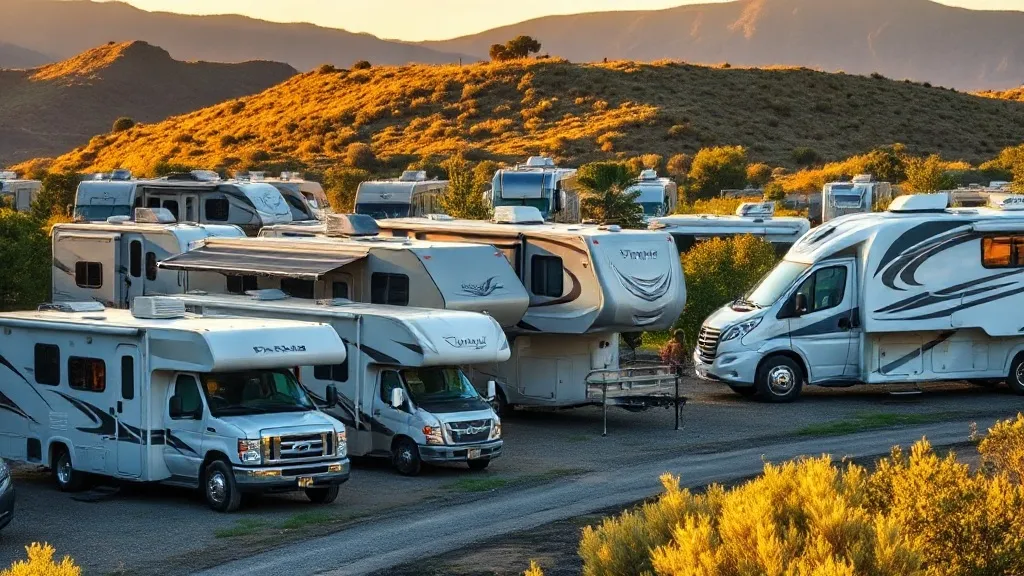
A luxury RV resort is worth it when you will use the property as part of the trip and its all-in daily premium is lower than the value of the space, facilities, and convenience you will actually use. It is usually poor value for an overnight stop. Compare dated quotes, because real published prices range from $91 fall sites to $361 winter waterfront sites at one Florida Keys resort.
There is no trustworthy national “standard versus luxury” price multiplier. Location, season, site class, length of stay, and mandatory fees can matter more than the label. This guide uses current operator-published examples and a repeatable value test rather than an invented average.
If you want the specific properties, our best luxury RV resorts in the USA roundup covers the verified national picks, with regional deep dives for Florida and Arizona. This piece is about the decision itself.
What “luxury” should mean—and what it does not guarantee
The word “luxury” is unregulated in the RV park world. Any park can put it on a billboard, and plenty of ordinary ones do. So before you can decide whether it’s worth it, you have to know what a genuine luxury resort delivers that a standard park doesn’t.
A credible luxury claim should be supported by things you can verify before payment:
- Concrete or paved pads rather than gravel or dirt, often with a patio area.
- Published site dimensions and surface, so you can tell whether your RV, tow vehicle, and outdoor setup fit.
- The hookup service on the exact site, including amperage and whether electricity is included.
- Facilities you will use: pools, fitness rooms, sports courts, restaurants, marinas, dog areas, or organized activities.
- Access and rig rules, including motorhome class, RV age, pet limits, minimum stays, and guest policies.
What it does not automatically mean: a great location. Some luxury resorts sit in unremarkable spots off the interstate, while a basic state park campground might put you on the rim of a canyon. Pay attention to setting separately from amenities.
Real 2026 price examples
These examples are not a national average. They show why the only useful comparison is for the same dates, site type, and included services.
| Published example | Stay basis | Price before tax | Important extras |
|---|---|---|---|
| Bluewater Key RV Resort, Florida Keys | Fall 2026 nightly | $91–$258 | 3.5% card fee; three-night advance minimum |
| Bluewater Key RV Resort | Winter 2026–27 nightly | $221–$361 | Site class and waterfront position drive the range |
| Verde Ranch RV Resort, Arizona | Monthly | $800–$1,200 | $125 electricity charge |
| Camp Margaritaville Auburndale, Florida | Dynamic nightly | Quote required | $19 daily resort fee; 3.4% nonrefundable online booking fee |
| Furnace Creek Campground, Death Valley | Nightly public-campground control | $30 dry / $44 full hookup | Full hookup includes a $14 utility fee |
At Bluewater Key, simply changing from a fall tropical site to a winter bayfront site moves the published nightly rate from $91 to $361 before tax. At Verde Ranch, the monthly base varies by site class and electricity is separate. Neither property supports a universal claim that luxury is “twice” a normal park.
Field tip: Compare the checkout total, not the headline rate. Get the same-date total for the luxury resort and your best acceptable alternative, then divide each by the number of nights.
The all-in value test
Use this calculation before you book:
All-in daily cost = (site rate + required fees + taxes + metered utilities + expected add-ons) ÷ nights
Then calculate the premium over your best realistic alternative. The premium earns its keep only when the benefits you will actually use are worth more to you. Count a pool or pickleball court as zero if your itinerary leaves no time for it. Count location honestly too: an inexpensive campground can become the worse deal after extra fuel, parking, or an hour of driving each day.
For a broader baseline, compare your quote with our RV park price index and decide whether you truly need full rather than partial hookups.
When a Luxury Resort Is Absolutely Worth It
The premium pays off cleanly in a handful of situations:
You’re staying put for days or weeks. If the resort is your destination—a winter base, a week-long relaxation trip, or a place to use the pool and courts—the facilities have time to earn their keep. A weekly or monthly quote may help, but verify the effective daily rate rather than assuming a fixed discount.
You actually use the amenities. If you play pickleball every morning, swim every afternoon, and enjoy the social calendar, you’re getting what you paid for. The resort isn’t a parking spot; it’s the experience.
You own a big rig. Oversized concrete pads, wide lanes, and strong 50-amp service genuinely matter when you’re maneuvering a 40-foot diesel pusher and running two air conditioners. A cramped gravel park can be a real headache with a large coach; a luxury resort is built for it.
You’re a snowbird. A published monthly price, social calendar, and on-site recreation can make one base more practical than a string of nightly reservations. Include electricity and every required fee in the comparison.
You want comfort over location for this particular trip. Sometimes the point of the trip is to relax, not to be at a trailhead by 7 a.m. For that, a resort delivers.
When a Standard Park Wins
Just as often, the cheaper park is the smarter choice:
You’re just sleeping between drives. For a one-night transit stop, the facilities may be closed or unused. A simpler park in the right location can cover what you need without a resort premium.
You spend your days out, not at the resort. If you’re hiking, sightseeing, or exploring a national park from dawn to dusk, the amenities sit unused. You’re effectively paying resort prices for a parking spot.
You want to be near the parks, not the pickleball. The best campgrounds near Zion, Glacier, or Big Bend are often basic public sites — and no luxury resort can match standing on a canyon rim at sunrise. Location frequently beats amenities for the trips people remember most.
You’re on a budget, or full-timing. Even a small daily premium compounds over a month. Compare the published monthly total and utility policy with standard parks, public campgrounds, and other long-stay options.
Your rig doesn’t qualify. This is a hard stop, not a preference. Many top luxury resorts — the Naples and California motorcoach clubs especially — are Class A only, and several enforce rig-age limits. If you tow a trailer or your coach is older, the most exclusive resorts simply won’t take you, so the question answers itself.
Renting an RV for this trip? Compare rigs, prices, and pickup locations on RVshare and Outdoorsy — both let you filter by rig size, dates, and location. Keep in mind that the strictest Class A-only resorts won’t accept most rentals, so check the rig rules before you build a trip around a specific resort.
The Honest Bottom Line
Luxury RV resorts are worth it when the resort is part of the destination and the all-in premium buys benefits you will use. They are poor value when the label, rather than the exact site, facilities, and location, is doing the selling. The best predictor is your itinerary: time on the property creates value; a late arrival and early departure usually do not.
For most travelers, a mixed itinerary works: use a resort for the part of the trip where you will stay and use it, then choose location-led public or standard campgrounds for travel days and national-park visits. Save the dated quotes you compared so a dynamic rate or mandatory fee does not change the decision unnoticed.
When you’re ready to pick a property, start with our best luxury RV resorts in the USA roundup, then dig into the regional guides for Florida and Arizona. For the broader picture in the warm-weather states, our flagships cover the best RV parks in Florida, Arizona, Texas, and California. Everything is browsable from our guides index and home page.
Frequently asked questions
How much more does a luxury RV resort cost than a standard park?
There is no reliable national multiplier. Published examples vary by place and season: Bluewater Key lists 2026 fall sites from $91 to $258 before tax and winter sites from $221 to $361, while Verde Ranch lists monthly sites from $800 to $1,200 plus $125 electricity. Compare an all-in quote for your dates.
What do you actually get for the extra money at a luxury RV resort?
It depends on the property. Common differentiators include a larger or paved site, full hookups, pools, sports courts, fitness facilities, organized activities, food or beverage service, and a gated or social resort setting. Verify the exact site and included amenities instead of relying on the word luxury.
Who should pay for a luxury RV resort?
Travelers who stay put for days or weeks, who use the amenities, who own a big rig that benefits from oversized pads, and snowbirds wintering in one place. The premium pays off when the resort is the destination, not a stopover. It rarely pays off for one-night transit stops.
When is a standard RV park the better choice?
Choose the simpler park when you are only stopping overnight, will spend every day away from the campground, or value location more than on-site facilities. Compare the total price rather than assuming it is half as much; campground prices vary widely by date and market.
Are luxury RV resorts worth it for full-time RVers?
It can be, especially when a published monthly rate makes the resort an affordable base and the facilities replace other spending. Add electricity, resort fees, taxes, booking fees, and metered utilities before comparing the monthly total with standard parks or public campgrounds.
What extra fees should I check at a luxury RV resort?
Ask about taxes, resort fees, booking or card fees, electricity, extra guests, pets, site-lock charges, minimum stays, deposits, and cancellation penalties. For example, Camp Margaritaville Auburndale publishes a $19 daily resort fee plus a nonrefundable 3.4% online booking fee.
About the author
Marisol ReyesCamping & Outdoors Editor
Marisol spent six years as an interpretive ranger in the California and Colorado state park systems before turning to writing full-time. She knows public-land camping from the inside — how reservation windows really work, why some loops fill before others, and which 'first-come, first-served' sites are worth gambling on.
More from Marisol →Keep reading
Is Thousand Trails Worth It? Camping Pass Zones, Membership Levels & Who Should Buy (2026)
An honest breakdown of Thousand Trails campgrounds and memberships: how the Camping Pass zones work, the 14-night and 4-out-of-7 rules, what the enhanced tiers add, and which RVers actually come out ahead.
Full Hookup vs Partial Hookup: Sewer, Cost & Best Choice
Full hookups include water, electric, and sewer; partial hookups usually omit sewer. Compare current campground prices and choose the right RV site.
Yellowstone National Park Campgrounds Compared for RVs (2026)
Compare Yellowstone campgrounds by 2026 price, dates, location, hookups, and official RV-plus-vehicle limits to choose the right base.