Fort Pickens Campground Review: Gulf-Front Camping on Pensacola's Barrier Island
Fort Pickens Campground prices, site types and an honest loop-by-loop review, including the flood-prone road and how to book Pensacola's barrier-island campground.

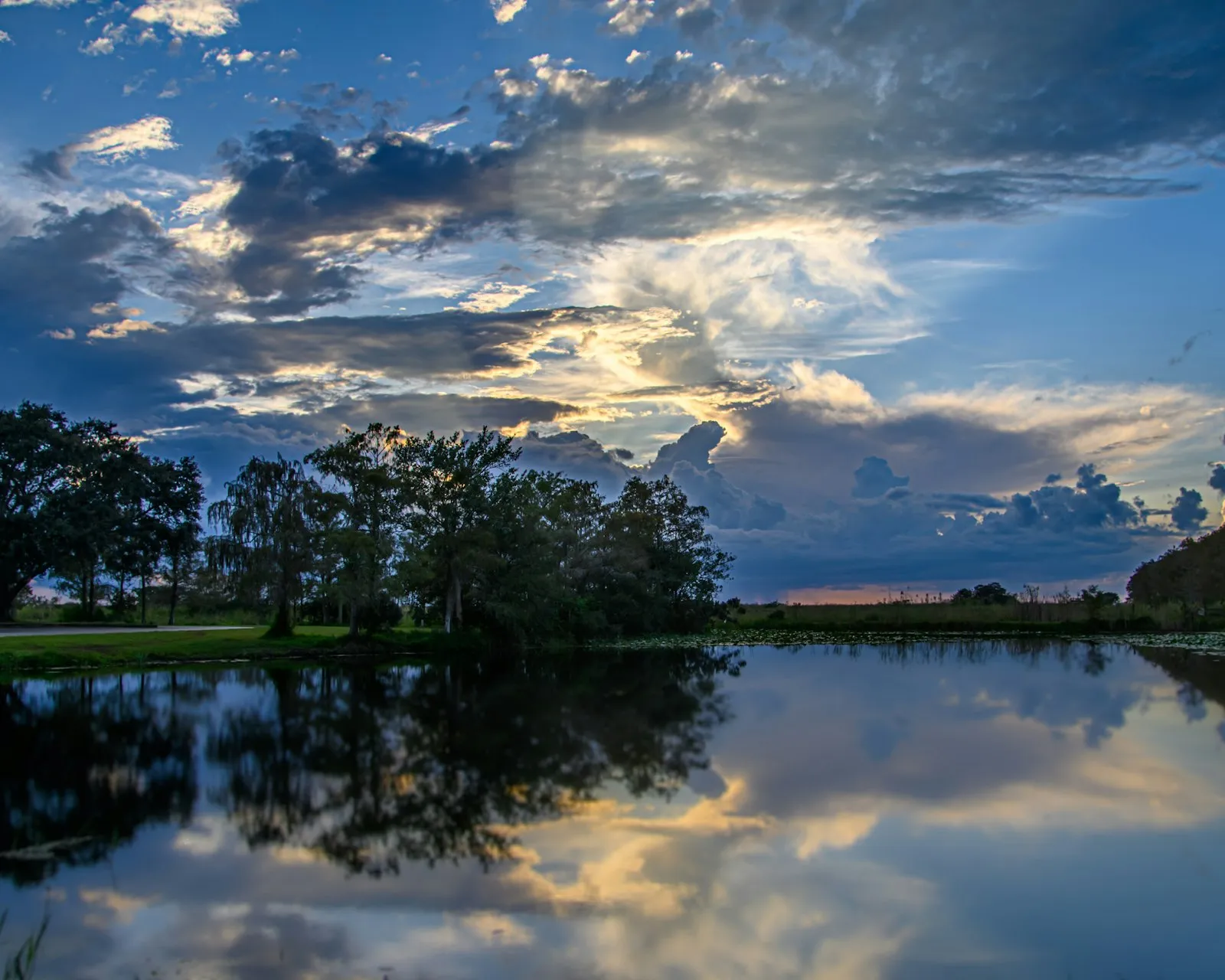
There are exactly two kinds of people who camp at Fort Pickens: those who understand that a $40 national park site on a Gulf of Mexico barrier island is one of the great bargains in American camping, and those who are about to find out. The campground sits near the western tip of Santa Rosa Island inside Gulf Islands National Seashore, seven miles past the last condo tower on Pensacola Beach, surrounded by sugar-white dunes, a brick fortress that once held Geronimo, and water so clear it photographs like the Caribbean.
The honest verdict up front: this is one of the best public campgrounds on the Florida Gulf Coast, and it is not close. You get electric and water hookups, real dark-ish skies by Florida panhandle standards, a beach you can walk to from your site, and a genuinely fascinating 19th-century fort a bike ride away. What you do not get is sewer hookups, reliable shade in most loops, or any guarantee that the only road in will be open the day you arrive. Fort Pickens Road floods. It has always flooded. Understanding that — and the booking game, and which loop to request — is the difference between a great week and a frustrating one, and it is what the rest of this review covers.
If you are mapping out a bigger panhandle or peninsula trip, this park anchors the western end of our Gulf Coast Florida RV parks guide and earns its spot on any shortlist of the best RV parks in Florida.
Quick answer: Fort Pickens Campground prices are $40 per night for an electric/water site and $26 per night for a non-electric site, plus the separate $25 per vehicle Gulf Islands National Seashore entrance fee (7-day pass; not included in the reservation total, per Recreation.gov). Senior and Access passholders get 50% off the campsite. Camping is year-round on Recreation.gov with a six-month booking window, 137 electric sites, 40 non-electric tent sites, hot showers and a dump station—but no sewer hookups. Reviews are consistently strong for location and value; the recurring complaints are wind, thin shade outside Loop A, and Fort Pickens Road closures.
Related guides: Pensacola RV Parks: Fort Pickens, Pensacola Beach RV Resort, Big Lagoon and the Best of the Western Panhandle · Gulf Shores RV Parks and Campgrounds: Gulf State Park, Bella Terra and the Best Resorts · Topsail Hill Preserve State Park Camping Review: Florida’s Full-Hookup State Park RV Resort on 30A
Fort Pickens Campground at a glance
| Item | Detail |
|---|---|
| Electric/water site | $40/night (20/30/50 amp + water) |
| Non-electric tent site | $26/night |
| Entrance fee | $25/vehicle, 7 days (America the Beautiful pass accepted) |
| Sites | 137 electric/water, 40 non-electric, 1 group, 8 accessible (Recreation.gov) |
| Sewer | None; dump station on site |
| Showers | Yes, hot; flush toilets |
| Season | Year-round, subject to weather closures |
| Reservations | Recreation.gov, 6 months ahead; 14-night limit, 42 nights/year |
| Max rig | Site-specific; 12-ft height limit in Loop A; back-in only |
| Location | Santa Rosa Island, 7 miles west of Pensacola Beach, Gulf Islands National Seashore |
Site counts, entrance-fee wording, the six-month window and the stay limits were checked against the Recreation.gov listing on August 18, 2026; the nightly fees are the NPS figures we last confirmed and should be re-checked at checkout.
Getting There: Seven Miles of Sand and One Flood-Prone Road
Fort Pickens occupies the far western end of Santa Rosa Island, west of Pensacola Beach. From Pensacola proper, you cross Pensacola Bay to Gulf Breeze, then take the Bob Sikes Bridge onto Pensacola Beach — a toll bridge that costs $1 per vehicle (paid electronically; toll-by-plate adds a small billing surcharge). From the beach strip, turn west at the traffic circle and the condos thin out fast. Past the park entrance station, Fort Pickens Road runs about seven miles through open dune country to the fort and campground.
That road is the story. It is a narrow two-lane ribbon laid across a low, migrating barrier island, and the Gulf treats it as a suggestion. After Hurricanes Ivan (2004) and Dennis (2005) destroyed it, the road stayed closed for nearly five years — the fort area was reachable only by boat. Even after reconstruction, the NPS was closing it 10 to 12 times per year for flooding, because it does not take a hurricane: exceptionally high tides with strong onshore winds are enough to push saltwater and sand across the pavement. More recently, storm surge from Hurricane Helene in September 2024 left standing water and sand across Fort Pickens Road and closed the area, and shorter weather closures happen most years.
The Park Service has been fighting back. The Federal Highway Administration funded a project to realign a 1.5-mile section of the road inland behind protective dunes, and a ferry service from downtown Pensacola to the Fort Pickens pier began operating in 2018 as a road-independent way in (seasonal, passengers and bikes only — no help for your RV).
What this means for you, practically:
- Check the NPS Gulf Islands current conditions page the day before and the morning of arrival. Closures are posted there and on the park’s social channels.
- Have a bail-out plan in storm season. June through November, a named storm anywhere in the Gulf can trigger a mandatory campground evacuation with a day’s notice or less. The NPS refunds closures, but you still need somewhere to go.
- Don’t let this scare you off in winter and spring. The flood-closure drama is heavily weighted toward hurricane season. Snowbird-season stays are rarely interrupted.
One more arrival note: the Gulf Islands National Seashore entrance fee is $25 per vehicle, valid for seven days ($20 per motorcycle, $15 per person on foot or bike). An America the Beautiful pass covers it. The fee station occasionally backs up on spring weekends; campers can roll through with their reservation confirmation.
Fort Pickens camping loops: five loops, ~180 sites, very different personalities
Fort Pickens Campground has roughly 180 sites across five loops (A through E) — per the NPS, 137 family sites with electric (20/30/50 amp) and water hookups, about 40 non-electric tent sites, plus a non-electric group site with water. Eight sites are wheelchair accessible (six with electric, two without). Everything sits on the flat, sandy interior of the island, a short walk from the Gulf on one side and Pensacola Bay on the other.
The loops are not interchangeable. Here is the honest breakdown.
Loop A — The One Everybody Wants
Loop A is the smallest loop, the closest to the beach, and the only one with meaningful shade — a canopy of sand live oaks mixed with pines that gives it a genuinely pretty, sheltered feel the other loops lack. Reviewers on Campendium and The Dyrt consistently call it the best loop, and the booking data backs them up: in winter, Loop A sells out while the tent loops sit half empty.
The catch is significant: the NPS has instituted a 12-foot height restriction for Loop A because of tree growth over the loop road. That eliminates most Class A motorhomes and many fifth wheels. If you are in a camper van, truck camper, smaller travel trailer, or a Class C that sneaks under 12 feet, Loop A is the request. If you are taller, it is simply off the table — do not gamble on it.
Loops B and D — The Tent Loops
The non-electric sites concentrate in Loops B and D, at $26 per night. They are more open, catch more wind, and stay noticeably emptier — in the same mid-February window when Loop A was nearly sold out, Loop B had almost nothing booked. For self-contained rigs that do not need shore power, this is the quiet, spontaneous-trip corner of the campground; for tent campers, the wind exposure is a real consideration (more on that below).
Loops C and E — Open, Piney, Big-Rig Friendly
The remaining electric loops are wide open with scattered pines — less character, more sky. This is where taller and longer rigs belong, and honestly, in winter, open sites are a feature: full sun on the solar panels and no oak limbs to negotiate. In July, that same openness is brutal. Sites are paved pads on sand; the NPS requires all vehicles to back in with all four tires on the pavement, and each site allows a maximum of two vehicles including the RV, because there simply is not room for more.
A dump station sits in Loop A and another serves the C/D/E area, so nobody has a long haul with full tanks.
A word on winter, since that is when half of you will be here: this is the Florida panhandle, not the Keys. January days are typically pleasant in the 60s, but cold fronts do drop overnight lows near freezing a few times each winter, and the wind off the Gulf makes it feel colder. Snowbirds who winter here trade a few sweater days for empty beaches and half-price camping compared to south Florida — a bargain many take year after year, which is exactly why the electric loops sell out. If you want reliably warm January swimming, this is not your park; if you want quiet, cheap, and beautiful, it is.
Site sizing is genuinely site-by-site. Pads vary, and the NPS enforces posted size limits (they announced explicit enforcement starting in 2022). Reviewers report sites accommodating rigs up to around 42 feet, but many pads are far shorter, and length, height, and slide-room restrictions are listed per site on Recreation.gov. Read your specific site’s listing — this is not a campground where you book any old number and sort it out on arrival.
Fort Pickens RV park hookups & amenities: solid basics, no frills
| Feature | What you get |
|---|---|
| Electric | 20/30/50 amp at 137 sites |
| Water | At all electric sites; spigots near tent areas |
| Sewer | None — two dump stations (Loop A and C/D/E area) |
| Restrooms | Flush toilets and hot showers in the loops |
| Camp store | Small store near the campground (snacks, ice, basics) |
| Cell signal | Verizon and AT&T solid; T-Mobile weak per camper reports |
| Wi-Fi | None |
The bathhouses are the standard national-park variety: not fancy, generally clean, occasionally busy. The lack of sewer hookups is the one spec that surprises people expecting private-resort amenities at a place this popular — plan your tank strategy for a week between dump-station runs, or use the bathhouses and stretch it further.
Cell coverage matters here because the campground is seven miles from the nearest anything. Multiple working-from-the-road reviewers report Verizon connecting well and AT&T adequately, with T-Mobile struggling — reasonable, given you are on the far tip of a barrier island. If your livelihood depends on bandwidth, bring more than one carrier.
What’s Nearby: The Fort, the Beaches, and Pensacola
Fort Pickens Itself
The campground’s namesake is the largest of four forts built to defend Pensacola Bay and its navy yard: a massive pentagonal brick fortress completed in 1834 after five years of construction and 21.5 million bricks, named for Revolutionary War general Andrew Pickens. Its strangest chapter came in 1886–87, when the Apache leader Geronimo was imprisoned here with several of his warriors from October 1886 to May 1887 — local boosters treated him as a tourist attraction, and on one Sunday in 1887 more than 450 visitors ferried across the bay to see him.
Today you can wander the casemates, tunnels, and gun batteries mostly at will — it is refreshingly un-roped-off — and the fort is an easy, flat bike ride from the campground. Rangers run tours seasonally. Budget a half day; kids treat the dark powder magazines like a dungeon crawl.
The Beaches
This stretch of the panhandle has the whitest sand in Florida — fine quartz that squeaks underfoot and stays cool in the sun. Langdon Beach, the main lifeguarded Gulf-side swimming beach, sits directly across the road from the campground area with restrooms and rinse showers. Beyond it, miles of undeveloped national-seashore beach run in both directions; walk ten minutes and you will have a stretch to yourself even in March. The bay side offers calmer water, better shelling, and dolphin sightings from shore.
Paddling, Fishing, and Wildlife
The bay side of the island is protected water — good for kayaks and paddleboards on all but the windiest days, with launches an easy carry from the campground loops. Anglers work the fishing pier near the fort, the bay shallows for redfish and speckled trout, and the Gulf surf for whatever is running; a Florida saltwater license applies unless you are fishing from a licensed pier. Wildlife-wise, this is a barrier island in a national seashore: great blue herons stalk the campground loops with zero fear, ospreys nest in the pines, dolphins work the bay, and in summer the beaches host nesting sea turtles — which is why the campground enforces lights-out discipline near the dunes during nesting season. Keep the campsite crumb-free; the resident raccoons are professionals.
Pensacola
When you need civilization, Pensacola Beach’s restaurants are 15–20 minutes back east, and downtown Pensacola — a genuinely good small city with a historic district, breweries, and the National Naval Aviation Museum (free, and home of the Blue Angels) — is about 40 minutes. The Blue Angels practice over Pensacola Beach on many summer mornings, which means you occasionally get a free airshow from your campsite.
Fort Pickens Campground reviews: the honest details
What works:
- Location that private parks cannot buy. A national-seashore beach within walking distance, no development in sight, at $40 a night with hookups. Comparable beachfront private parks on this coast run two to three times that — see our beachfront RV parks in Florida guide for what the market charges.
- Electric at a federal campground. 50-amp service means real air conditioning in shoulder season heat — rare in the national park system.
- The fort and the trails. Paved bike paths, the Florida Trail’s northern terminus, and a fortress to explore mean this is not a “beach and nothing else” stay.
- Year-round season with hot showers and dump stations that actually function.
What doesn’t:
- Wind, always. You are on a narrow sand island in open water. Awnings get shredded here regularly; campers routinely report days too gusty to extend one at all. Stake everything, and tent campers in Loops B and D should bring sand stakes and a low-profile tent.
- Sun and heat, May through September. Outside Loop A, shade is scarce. Summer afternoons are a blast furnace of white sand glare, and the sand itself migrates into everything you own.
- No sewer and no site-side trash pickup — this is national-park camping with hookups, not a resort.
- The road. Covered above, but it bears repeating: one way in, one way out, and it floods.
- Booking pressure. Winter is snowbird season and the electric loops book out the moment the six-month window opens; spring break weeks are just as bad.
Who it’s for: Snowbirds who want a warm, cheap, beautiful January and have the flexibility to pounce on Recreation.gov the morning their dates open — Fort Pickens is a well-known Florida snowbird destination, and mid-winter availability data shows Loop A essentially sold out months ahead. Also: families in spring and fall, kayakers, anglers, history nerds, and anyone with a rig under 12 feet tall who can claim a Loop A site. Who should skip it: anyone who needs full hookups, guaranteed shade in summer, resort amenities, or an itinerary that cannot absorb a weather closure.
Fort Pickens Campground prices, specs & booking (2026)
- Hookups: Electric (20/30/50 amp) + water at 137 sites; no sewer; two dump stations (Loop A and C/D/E area)
- Sites: ~180 total across Loops A–E — 137 electric/water, ~40 non-electric tent (Loops B & D), 1 group site, 8 accessible sites
- Cost: $40/night electric or $26/night non-electric, plus the separate park entrance fee; Senior and Access passes discount eligible campsites by 50%
- Season: Open and reservable year-round (subject to weather closures)
- Reservation: Recreation.gov or (877) 444-6777, six-month rolling booking window; no first-come sites to count on in season
- Cell signal: Verizon strong, AT&T decent, T-Mobile weak
- Max RV length: Varies by site — some pads to ~42 ft, many shorter; 12-ft height limit in Loop A; check individual site specs on Recreation.gov; back-in only, all tires on pavement, two vehicles max per site
- Amenities: Hot showers, flush toilets, drinking water, camp store, paved bike paths, lifeguarded beach (seasonal), fishing pier, the fort
Two rules are easy to miss: campground electrical pedestals cannot be used to charge an EV, and stays are capped at 14 consecutive nights before a required 48-hour break. The annual limit is 42 days, with a tighter total limit of 14 days from March 1 through Labor Day.
Booking strategy: set a calendar reminder for exactly six months before your arrival date and book at window-open. Missed it? Cancellations are constant — campers report scoring “sold out” sites within hours by rechecking — and Recreation.gov availability alerts do the watching for you.
Gulf Islands National Seashore camping and Florida Gulf Coast alternatives
Fort Pickens is the only developed campground in the Florida district of Gulf Islands National Seashore; the seashore’s other campground, Davis Bayou, is in the Mississippi district near Ocean Springs. So “Gulf Islands National Seashore camping” in Florida means Fort Pickens, full stop—there is no overflow campground inside the park. If Fort Pickens is booked, closed, or too tall-rig-hostile for you:
- Fort De Soto Park Campground (Tierra Verde, near St. Petersburg) — the other legendary public campground on this coast: 236 water-and-electric sites, waterfront inventory, similar booking pressure, and broader rig options in sites 86–236. Six hours southeast.
- Henderson Beach State Park (Destin) — the same blinding white sand 90 minutes east, with 30/50-amp sites tucked behind the dunes and Destin’s restaurants at hand.
- Grayton Beach State Park (Santa Rosa Beach) — quieter 30A-corridor alternative with full-hookup sites near a coastal dune lake.
- Big Lagoon State Park (Pensacola) — mainland-side fallback 30 minutes away; no Gulf frontage, but 50-amp sites, easier availability, and a good base when Fort Pickens Road closes.
The broader rundown of the coast — Panhandle through the peninsula — lives in our Gulf Coast Florida guide, and the statewide picture is in the best RV parks in Florida.
Bottom line: Fort Pickens is the rare campground where the constraints — the flooding road, the wind, the missing sewer hookups, the booking scramble — are the price of something genuinely worth it: hookup camping on an undeveloped Gulf barrier island for $40 a night, with a brick fortress down the bike path and the whitest sand in America out your door. Book the six-month window, check the road report, and go.
Frequently asked questions
Does Fort Pickens Campground have full hookups?
No. Fort Pickens has 137 sites with electric (20, 30, and 50 amp) and water hookups, but no sewer connections at any site. Two dump stations serve the campground — one in Loop A and one in the Loop C/D/E area. The remaining 40-plus sites are non-electric tent sites concentrated in Loops B and D.
Does Fort Pickens Road really flood and close?
Yes, regularly. The road crosses seven miles of low barrier island and floods during storms and even exceptionally high tides with strong onshore wind. After Hurricanes Ivan and Dennis it stayed closed for nearly five years, and after reconstruction it still closed 10 to 12 times per year. A section has since been realigned inland behind protective dunes, but temporary closures still happen — always check the NPS Gulf Islands current-conditions page before arriving.
Which loop is best at Fort Pickens Campground?
Loop A is the consensus favorite — it has the most shade from sand live oaks, sits closest to the beach, and is the quietest loop. The trade-off is a 12-foot height restriction due to tree growth over the loop road, which rules out most Class As and taller fifth wheels. Taller rigs do well in Loops C and E, which are more open with pines.
How far is the beach from the campground?
The Gulf-side white-sand beach is a short walk or bike ride from every loop — roughly a quarter mile at most. Langdon Beach, the main lifeguarded swimming beach with restrooms and outdoor showers, is directly across Fort Pickens Road from the campground area.
How far in advance should I book Fort Pickens?
Reservations open six months in advance on Recreation.gov (or by phone at 877-444-6777), and for winter and spring dates the electric sites — especially Loop A — book out essentially the day they release. Check back often for cancellations and set Recreation.gov availability alerts; sites reappear all the time.
Is there RV camping at Gulf Islands National Seashore?
Yes. Fort Pickens Campground on Santa Rosa Island near Pensacola Beach is the seashore's main RV campground, with 137 electric-and-water sites. Davis Bayou Campground in the Mississippi district of the seashore is the other developed campground; Fort Pickens is the one on the Florida Gulf front.
Is Fort Pickens Campground good for RVs?
It is one of the best public RV campgrounds on the Florida Gulf Coast, provided you can live without sewer hookups. Loops C and E suit larger rigs and Class As; Loop A has a 12-foot height limit; all sites are back-in and paved.
What does it cost to camp at Fort Pickens?
The current NPS campground fee is $40 per night for an electric site and $26 for a non-electric site. The Gulf Islands National Seashore entrance fee is separate. Senior and Access passholders receive a 50% campsite discount; verify your total and pass eligibility when booking.
About the author
Marisol ReyesCamping & Outdoors Editor
Marisol spent six years as an interpretive ranger in the California and Colorado state park systems before turning to writing full-time. She knows public-land camping from the inside — how reservation windows really work, why some loops fill before others, and which 'first-come, first-served' sites are worth gambling on.
More from Marisol →Campgrounds in this guide
Facts pages for each park — hookups, rig limits, rates and booking, plus every guide that covers it.
Keep reading
Boyd's Key West Campground Review: Sites, Rates & Is It Worth It (2026)
An honest Boyd's Key West Campground review: full-hookup 30/50-amp sites with cable on Stock Island four miles from Duval Street, the heated pool, marina and tiki hut, what the operator publishes on rates, and how it compares with Bluewater Key, Sunshine Key and Bahia Honda.
Topsail Hill Preserve State Park Camping Review: Florida's Full-Hookup State Park RV Resort on 30A
An honest review of camping at Topsail Hill Preserve State Park in Santa Rosa Beach, Florida — the Gregory E. Moore RV Resort's full-hookup sites, the tram to the beach, dune lakes, what to verify before booking and how it compares with Grayton Beach and Fort Pickens.
Bluewater Key RV Resort Review: 2026 Rates & Rules
Verified Bluewater Key RV Resort review with 2026 Tropical, Canal and Bayfront rates, lot tiers, minimum stays, RV restrictions, cancellation policy, boating rules, and honest trade-offs.