Fort De Soto Campground Prices, Sites & Review (2026)
Fort De Soto Park campground review with current tax-included rates, 236 water-and-electric sites, pet-loop rules and the six- or seven-month booking window.

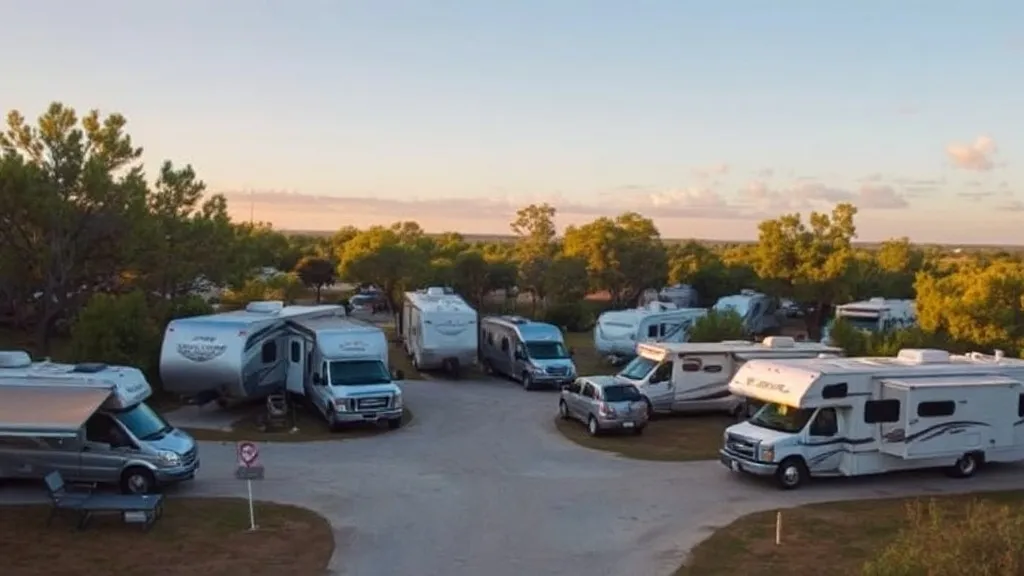
Verified September 9, 2026: The Pinellas County camping information page lists sites 1–85 at $40.50 non-waterfront / $42.50 waterfront and sites 86–236 at $45.50 / $47.50 per night before tax, which totals $45.77 to $53.68 with tax. Reservations open 6 months ahead for non-residents and 7 months for Pinellas County residents; pets are limited to sites 86–164; maximum stay is 14 nights in 30 days; check-in is after 1 PM, checkout 11 AM; cancellation is a $10 fee if made 3+ days out.
Quick answer: Fort De Soto campground prices are $45.77 to $53.68 per night including tax in 2026, flat year-round, for water-and-electric sites on a barrier island at the mouth of Tampa Bay. That buys you 236 sites (no sewer hookups), hot showers, a dump station, a dog loop at sites 86–164, and some of the best waterfront public camping in the Southeast. The hard part is not the price; it is the six-month booking window, which winter weekends blow through in minutes.
Fort De Soto campground at a glance
| Fort De Soto Park Campground | |
|---|---|
| Prices | $45.77–$53.68/night with tax, same rate all year |
| Sites | 236 in three areas; roughly half waterfront |
| Hookups | Water + 30/50-amp electric; no sewer (central dump station) |
| Max RV length | Sites 1–85: trailers under 16 ft only; sites 86–236: all units, site-specific fit |
| Season | Year-round |
| Reservations | explore.pinellas.gov; 6 months (non-residents) / 7 months (county residents) |
| Cell signal | Usable on major carriers; Wi-Fi only at store and office |
| Pets | Sites 86–164 only; off-leash dog beach in park |
| Max stay | 14 nights in any 30-day period |
Fort De Soto campground prices and fees (2026)
Pinellas County publishes base rates plus the 6% Tourist Development Tax and 7% sales tax, and the reservation system charges the total. No seasonal pricing, no holiday surcharge.
| Site range | Type | Base rate | Total with tax |
|---|---|---|---|
| Sites 1–85 | Non-waterfront | $40.50 | $45.77 |
| Sites 1–85 | Waterfront | $42.50 | $48.03 |
| Sites 86–236 | Non-waterfront | $45.50 | $51.42 |
| Sites 86–236 | Waterfront | $47.50 | $53.68 |
| Fee | Amount | Notes |
|---|---|---|
| Reservation fee | None published | Booked online through the county system |
| Cancellation, 3+ days before arrival | $10 administrative fee | Must be received by 11:59 PM three days out |
| Cancellation, inside 2 days | One night’s site fee | The $10 fee is not added on top |
| Modification (site change, reschedule) | Same as cancellation | $10 if 3+ days out, one night inside the window |
| Extra vehicle | $0 | Two vehicles allowed with each camping unit |
| Pets | $0 | Sites 86–164 only |
| Occupancy | Max 6 people per site | One reservation per person per day |
| Pinellas Bayway toll | $1.50 each way | SunPass or Toll-by-Plate; adds up on daily trips |
| Park entry | $0 | County park; parking free for campers |
For context, private beachfront-adjacent parks along this stretch of the Gulf Coast charge $90–$150 a night in winter for full hookups. Fort De Soto’s waterfront sites at $53.68 are roughly a third of that, minus the sewer connection.
Fort De Soto Park is the campground that ruins you for other campgrounds. Once you have spent a few nights at a waterfront site watching dolphins cruise past your picnic table at sunset, every inland RV park with a retention pond and a “lake view” premium will feel like a consolation prize. This 1,136-acre county park sprawled across five interconnected keys at the mouth of Tampa Bay draws 2.7 million visitors a year, and the campground is the reason half of them come back.
The numbers tell part of the story: 236 family campsites with water and 30/50-amp electric, managed by Pinellas County. Current tax-included totals run from $45.77 to $53.68 per night, depending on camping area and waterfront status. The catch, and there is always a catch with public campgrounds this good, is booking. Getting a site at Fort De Soto requires either strategic planning or dumb luck, and this review covers the six- or seven-month reservation window so you do not have to rely on the latter.
For anyone building a Florida RV trip, Fort De Soto belongs on the shortlist. It is arguably the best public campground in the southeastern United States, and it competes honestly with parks charging three times the price along the Gulf Coast corridor.
Getting There
Fort De Soto Park sits on Mullet Key in Tierra Verde, at the southern tip of the Pinellas County barrier island chain. The park address is 3500 Pinellas Bayway South, Tierra Verde, FL 33715. You will reach it by driving south from St. Petersburg on the Pinellas Bayway (SR-682), which crosses a series of causeways and bridges linking the keys together.
From I-275, take Exit 17 (54th Avenue South / Pinellas Bayway) and head west. The Bayway has tolls — currently $1.50 each way via SunPass or Toll-by-Plate. Cash lanes are limited, so a SunPass transponder smooths the process considerably, especially if you are making daily trips in and out.
The drive from downtown St. Petersburg is about 30 minutes without traffic. From Tampa International Airport, plan on 40 to 50 minutes. The road accommodates large RVs without issue — no tight turns, low bridges, or weight restrictions to worry about.
Fuel tip: Fill up before you cross onto the keys. There are no gas stations inside the park, and the closest station is back on the mainland in Tierra Verde or St. Pete Beach. Diesel rigs should top off on the mainland to avoid a return trip just for fuel.
The Campground
Fort De Soto’s campground occupies the eastern portion of the park, facing Tampa Bay and the Intracoastal Waterway. The 236 sites are divided into three camping areas (officially called Area 1, Area 2, and Area 3), each with its own character and equipment rules.
Area 1 (Sites 1–85)
The first area is the most restrictive for equipment. Pinellas County designs sites 1–85 for tents, vans, pop-up campers and trailers shorter than 16 feet. Do not book one for a full-size motorhome or longer trailer because a photo makes it look roomy. The area is heavily wooded, with mature mangroves and tropical vegetation providing shade and privacy between sites; some sites face the bay with direct waterfront access.
Area 1 is the most popular loop for good reason: the combination of shade, water access, and privacy is hard to beat at any price point. These sites book out first.
Area 2 (Sites 86–164)
This is the designated pet loop — the only area where dogs are allowed. If you are traveling with pets, this is your only option, so plan accordingly. About half the sites in Area 2 are along seawalls facing the water, which gives you gorgeous sunset views over the bay. The other half are interior sites that trade water views for slightly more space.
The pet designation means Area 2 tends to be the liveliest loop — dogs barking, families with kids, more foot traffic. If you want peace and quiet, and you do not have pets, you are better off in Area 1 or 3.
Area 3 (Sites 165–236)
The third loop sits at the eastern end of the campground and offers a mix of waterfront and interior sites. It is generally the quietest of the three loops, partly because it is farthest from the park entrance and day-use areas. Some sites here face the mangrove-lined bayou rather than open water, which means more wildlife (birds, manatees in winter) and less boat traffic noise.
Site Details
Every site in the campground includes:
- Electric hookup (30/50-amp service)
- Water hookup
- Picnic table
- Charcoal grill
- Paved or crushed shell pad
There are no sewer hookups at individual sites. The park has a centralized dump station that you will use at the end of your stay (or mid-stay if you are booked for a longer stretch). Each loop has its own restroom building with flush toilets, hot showers, coin-operated washers, and dryers. The facilities are older but consistently clean and well-maintained — multiple reviewers note that the county does a solid job keeping up the bathhouses even during peak season.
Maximum stay: 14 nights in any 30-day period.
RV fit: Sites 86–236 are designed for all camping-unit types, but the county does not publish one universal maximum length. Match the selected reservation site’s dimensions to your complete equipment; Area 1 is not an option for trailers 16 feet or longer.
What Makes Fort De Soto Special
The Beaches
Fort De Soto has been named America’s best beach by TripAdvisor multiple times, and the designation is not hollow marketing. North Beach is the crown jewel — a wide crescent of white sand facing the Gulf of Mexico with shallow, warm water that is gentle enough for toddlers and clear enough to see your toes. The sand is that fine, almost powdery Gulf Coast variety that does not scorch your feet the way coarser Atlantic sand can.
East Beach faces Tampa Bay and is the closer beach to the campground. It is calmer, less crowded, and better for kayaking and paddleboarding. The water here is shallower and warmer, and the sunsets are exceptional.
The campground’s proximity to these beaches — a short bike ride or a five-minute drive — is what elevates Fort De Soto above typical campgrounds. You are not “near” the beach. You are essentially on it.
The Dog Beach
Fort De Soto operates one of the few designated dog beaches in the Tampa Bay area. Located on the park’s south end near the Kayak Outpost, the dog beach features two fenced areas (one for large dogs, one for small) with direct beach and water access. Dogs can swim, dig, and run off-leash in the designated zones. Water stations are provided.
If you are traveling with dogs, this is a significant draw. Most Florida beach parks prohibit dogs entirely, making Fort De Soto one of the rare exceptions.
Kayaking and Paddling
The park’s location at the convergence of Tampa Bay, the Gulf of Mexico, and the Intracoastal Waterway creates outstanding paddling conditions. The Kayak Outpost near the dog park rents canoes, kayaks, and paddleboards for half-day and full-day periods. From the waterfront campsites, you can launch directly and paddle through the mangrove channels, where you will routinely spot dolphins, manatees (especially in cooler months), sea turtles, and an absurd variety of shorebirds.
The mangrove tunnels on the bay side of the park are a particular highlight — narrow channels winding through root systems that feel like paddling through a cathedral.
The Fort
The park’s namesake, Fort De Soto, is a Spanish-American War-era fortification built in 1898 on the southern tip of Mullet Key. It never saw combat, but the mortars and gun emplacements are still intact and open for exploration. The fort is free to visit, historically interesting, and provides elevated views of the surrounding keys and shipping channels. Kids love climbing on the old gun platforms.
Fishing
The park’s 1,000-foot fishing pier extends into Tampa Bay and is one of the most productive shore-fishing spots in the region. Snook, redfish, spotted seatrout, flounder, and sheepshead are all common catches depending on the season. A bait shop near the pier sells tackle, bait, and fishing licenses. You do not need a boat to fish well here.
Birding
Fort De Soto is a nationally recognized birding destination, particularly during spring migration (March through May) when neotropical migrants funnel through the barrier islands. The park has recorded over 300 bird species, making it one of the most diverse birding sites in North America. The trail system through the mangroves and the mudflats near the fort are the prime birding areas.
Fort De Soto campground reviews: the honest details
What Works
Value is the headline. At a tax-included $48.03 or $53.68 for a waterfront site, depending on area, Fort De Soto (you will also see it spelled “Fort DeSoto” on signs and in reviews) delivers a camping experience that private resorts can struggle to match. The waterfront sites — with dolphins visible from your picnic table and kayak access from your pad — are the kind of thing that makes people rethink their entire RV travel strategy.
Natural beauty is real, not manufactured. This is not a landscaped RV resort with decorative palm trees and a retention pond. It is a genuine barrier island ecosystem with mangroves, seagrass flats, shorebirds, and marine life. The setting feels wild even though you have electric hookups and hot showers.
The beaches are legitimately world-class. North Beach is not overhyped. The sand, the water clarity, the gentle slope — it is the real deal.
Size and spacing are generous. Most sites have enough room for slide-outs, awnings, and outdoor living space without feeling like you are in your neighbor’s lap. The vegetation between sites provides real screening, not token landscaping.
What Doesn’t Work
Booking is genuinely difficult. Pinellas County residents can book 7 months in advance; non-residents get a 6-month window. Popular weekends and peak-season weeks (November through April) sell out within minutes of the reservation window opening. This is not an exaggeration — competitive booking is the norm, not the exception. Midweek stays are somewhat easier to grab, but Friday-Saturday nights in winter are a bloodsport.
No sewer hookups. This is the biggest infrastructure limitation. You will need to manage your tanks and use the centralized dump station. For stays of 3 to 5 nights, this is manageable. For the full 14-night maximum, it requires planning, especially in larger rigs with smaller holding tanks.
Limited Wi-Fi. The county lists Wi-Fi at the campground store and office, not blanket service at every campsite. Bring independent connectivity if work depends on it.
Mosquitoes and no-see-ums. This is a Florida barrier island surrounded by mangroves. After rain and at dusk, the biting insects can be relentless. Bring bug spray with DEET, and consider a screened dining tent or awning enclosure for evening meals.
No full grocery store. The campground does have a store, but for a real grocery run you will need to drive back across the Bayway to Tierra Verde or St. Pete Beach.
Who It’s Best For
- Nature-focused campers who prioritize setting over amenities
- Kayakers, paddleboarders, and fishermen who want direct water access
- Budget travelers who want waterfront camping without resort pricing
- Dog owners who need a campground with beach access for pets
- Birders visiting during spring migration season
- Snowbirds who want a natural Tampa Bay basecamp with electric and water rather than resort amenities
Who Should Look Elsewhere
- Big-rig owners with sewer needs — no individual sewer hookups may be a dealbreaker for extended stays
- Travelers who cannot plan 6 months ahead — last-minute booking is nearly impossible during peak season
- Those who want resort amenities — no pool, no hot tub, no mini-golf, no organized activities
- Heat-sensitive summer visitors — humidity and biting insects from June through September can make camping less enjoyable
Booking Strategy
This section exists because booking Fort De Soto is a skill, not a formality. Here is what works:
-
Know the window. Pinellas County residents can book 7 months in advance. Non-residents book 6 months ahead. Mark your calendar for the exact date your target dates become available.
-
Prepare before your eligible date. Create the reservation account, save acceptable sites and verify the live system’s release timing before your window opens. The county confirms the six- and seven-month windows but does not publish a release hour on its camping-information page.
-
Target midweek. Tuesday-through-Thursday stays are significantly easier to book than anything touching a Friday or Saturday. If your schedule allows midweek camping, your odds improve dramatically.
-
Be flexible on loops. If your first-choice loop is full, take what is available. Any site at Fort De Soto is better than no site at Fort De Soto. You can always request a move at the campground office if something opens up.
-
Check for cancellations. Life happens, and people cancel. Check the reservation system regularly in the weeks before your target dates — cancellations sometimes open up premium waterfront sites that were previously unavailable.
-
Shoulder season is underrated. October and November offer warm weather, reduced crowds, and easier booking. The water is still warm enough for swimming, the bugs are less aggressive, and the snowbird rush has not fully arrived.
Full Specs
Fort De Soto Park Campground
- Address: 3500 Pinellas Bayway South, Tierra Verde, FL 33715
- Managed by: Pinellas County Parks
- Phone: (727) 582-2100
- Website: pinellas.gov/parks/fort-de-soto-park
- Total sites: 236 (three areas)
- Hookups: Electric (30/50 amp) and water at every site; no individual sewer hookups
- Dump station: Yes (centralized)
- Rig fit: Sites 1–85 only for tents, vans, pop-ups and trailers under 16 ft; sites 86–236 accept all unit types, with exact fit site-specific
- Restrooms/showers: Yes, in each loop (flush toilets, hot showers)
- Laundry: Coin-operated washers and dryers in each loop
- Pets: Allowed in Area 2 (sites 86–164) only
- Fires: Charcoal grills provided; no ground fires
- Maximum stay: 14 nights in any 30-day period
- Check-in/out: After 1 PM / 11 AM
- Occupancy: 6 people and 2 vehicles per site
- Rates with tax: Sites 1–85: $45.77 non-waterfront / $48.03 waterfront; sites 86–236: $51.42 / $53.68
- Reservations: Online through Pinellas County Parks reservation system
- Reservation window: 7 months (Pinellas County residents), 6 months (non-residents)
- Toll access: $1.50 each way on the Pinellas Bayway (SunPass or Toll-by-Plate)
Cancel or modify at least three days before arrival to limit the county charge to the $10 administrative fee. Within two days of arrival, the penalty is one night’s site cost.
Booking tip: The reservation system occasionally undergoes maintenance. If the site is down on your target booking date, do not panic — try again in 15 to 30 minutes. The dates should still be available once the system is back.
What’s Nearby
St. Pete Beach and Treasure Island (15–20 minutes)
A string of barrier island beach communities with restaurants, bars, and shops. Pass-a-Grille at the southern tip of St. Pete Beach is a charming, walkable village with excellent seafood restaurants. The Don CeSar hotel (“the Pink Palace”) is a landmark worth seeing even if you are not staying there.
Downtown St. Petersburg (30 minutes)
St. Pete has transformed into one of Florida’s most vibrant downtowns. The Dalí Museum (the largest collection of Salvador Dalí works outside Spain) is the anchor attraction, but the entire waterfront district — the Pier, the Saturday Morning Market, the craft brewery scene on the 600 block, and the mural arts district — make it worth a full-day trip.
Sunshine Skyway Bridge and Fishing Pier (15 minutes)
The Skyway Bridge is one of the most dramatic bridges in the US, and the old bridge approaches have been converted into fishing piers extending a mile into Tampa Bay. Even if you do not fish, the drive across the Skyway is scenic and connects you to Bradenton, Sarasota, and the southern Gulf Coast.
Boyd Hill Nature Preserve (25 minutes)
A 245-acre park in south St. Petersburg with boardwalk trails through hardwood hammocks, willow marshes, and along the shore of Lake Maggiore. Good for a half-day nature walk and a change of scenery from the beach.
FAQ
How hard is it really to get a reservation at Fort De Soto?
Very hard during peak season (November through April), particularly for weekend stays. Book as soon as your six-month window opens, or seven months if the reserving camper can verify Pinellas County residency at check-in. Confirm the reservation system’s current release timing directly; the county does not publish an hour on its camping-information page.
Can I fit a large RV at Fort De Soto?
Sites 1–85 are only for tents, vans, pop-ups and trailers shorter than 16 feet. Sites 86–236 are designed for all camping-unit types, but exact dimensions still vary. Enter the full RV or truck-and-trailer length and confirm the selected site before paying.
Is Fort De Soto safe for swimming?
Yes. North Beach has calm, shallow water with a gentle slope that is safe for families. East Beach is even calmer. The Gulf-side waters can occasionally have rip currents during storms, but in typical conditions, Fort De Soto is one of the safest swimming beaches in Florida. Check for any posted advisories on arrival.
Are there alligators at Fort De Soto?
Alligators are uncommon on the barrier islands — the saltwater environment is not their preferred habitat. The primary wildlife encounters are dolphins, manatees, shorebirds, and the occasional sea turtle. Stingrays are present in the shallows, so do the “stingray shuffle” when wading.
Can I kayak from my campsite?
Yes, many waterfront sites in all three loops have direct water access where you can launch a kayak or paddleboard right from your site. This is one of Fort De Soto’s most unique features. If your site does not have direct launch access, the Kayak Outpost near the dog park provides a formal launch point and rentals.
Is there cell service at Fort De Soto?
The county lists Wi-Fi at the campground store and office, not at every campsite. Carrier service can vary around the keys, so bring your own connection and do not treat campground Wi-Fi as a site-side work amenity.
For more Tampa Bay and Gulf-side options, see our Gulf Coast Florida RV parks regional guide, the best RV parks in Florida pillar and the Florida hub.
Facts checked September 9, 2026 against the Pinellas County camping information page (rates, taxes, windows, cancellation, check-in, pet sites, occupancy, vehicle limit). Rates and policies can change.
Frequently asked questions
How much does camping at Fort De Soto campground cost?
Pinellas County charges $40.50 to $47.50 per night before tax, which works out to $45.77 to $53.68 with the 6% tourist tax and 7% sales tax added. Sites 1–85 are cheapest ($45.77 interior, $48.03 waterfront); sites 86–236 run $51.42 interior and $53.68 waterfront. Rates are the same year-round.
Is Fort De Soto camping hard to book?
Yes, especially November through April. Non-residents can reserve six months ahead and Pinellas County residents seven months ahead, and winter weekends sell out within minutes of release. Midweek stays and October–November shoulder season are far easier.
Does Fort De Soto Park campground have full hookups?
No. All 236 sites have water and 30/50-amp electric, but there are no sewer hookups at individual sites. The campground has a central dump station, and the 14-night maximum stay means larger rigs need to plan a mid-stay dump run.
Can I camp at Fort De Soto with a dog?
Only in the designated pet loop, sites 86–164. Dogs are not allowed at any other campsite. The park also has a fenced off-leash dog beach near the Kayak Outpost, one of very few in the Tampa Bay area.
Can I camp on the beach at Fort De Soto?
Not on the Gulf beach itself, but roughly half the sites are waterfront on Tampa Bay or the bayou, with seawalls or shell shoreline you can launch a kayak from. North Beach and East Beach are a short bike ride or five-minute drive from the campground.
What is the Fort De Soto campground cancellation policy?
Cancel or change at least three days before arrival and the county charges a $10 administrative fee. Inside that window you forfeit one night's site fee. Modifications, including site changes and rescheduling, follow the same rule.
What size RV fits at Fort De Soto?
Sites 1–85 are restricted to tents, vans, pop-ups and trailers under 16 feet. Sites 86–236 accept all unit types, but the county does not publish a universal maximum; check the dimensions listed on the individual site you book against your total rig length.
About the author
Marisol ReyesCamping & Outdoors Editor
Marisol spent six years as an interpretive ranger in the California and Colorado state park systems before turning to writing full-time. She knows public-land camping from the inside — how reservation windows really work, why some loops fill before others, and which 'first-come, first-served' sites are worth gambling on.
More from Marisol →Campgrounds in this guide
Facts pages for each park — hookups, rig limits, rates and booking, plus every guide that covers it.
Keep reading
Boyd's Key West Campground Review: Sites, Rates & Is It Worth It (2026)
An honest Boyd's Key West Campground review: full-hookup 30/50-amp sites with cable on Stock Island four miles from Duval Street, the heated pool, marina and tiki hut, what the operator publishes on rates, and how it compares with Bluewater Key, Sunshine Key and Bahia Honda.
Topsail Hill Preserve State Park Camping Review: Florida's Full-Hookup State Park RV Resort on 30A
An honest review of camping at Topsail Hill Preserve State Park in Santa Rosa Beach, Florida — the Gregory E. Moore RV Resort's full-hookup sites, the tram to the beach, dune lakes, what to verify before booking and how it compares with Grayton Beach and Fort Pickens.
Bluewater Key RV Resort Review: 2026 Rates & Rules
Verified Bluewater Key RV Resort review with 2026 Tropical, Canal and Bayfront rates, lot tiers, minimum stays, RV restrictions, cancellation policy, boating rules, and honest trade-offs.