Yellowstone Campground Reservations: 2026–2027 Booking Guide
Book Yellowstone campgrounds on the correct system: Lodges vs Recreation.gov in 2026, the 2027 switch, exact opening windows, dates and RV limits.

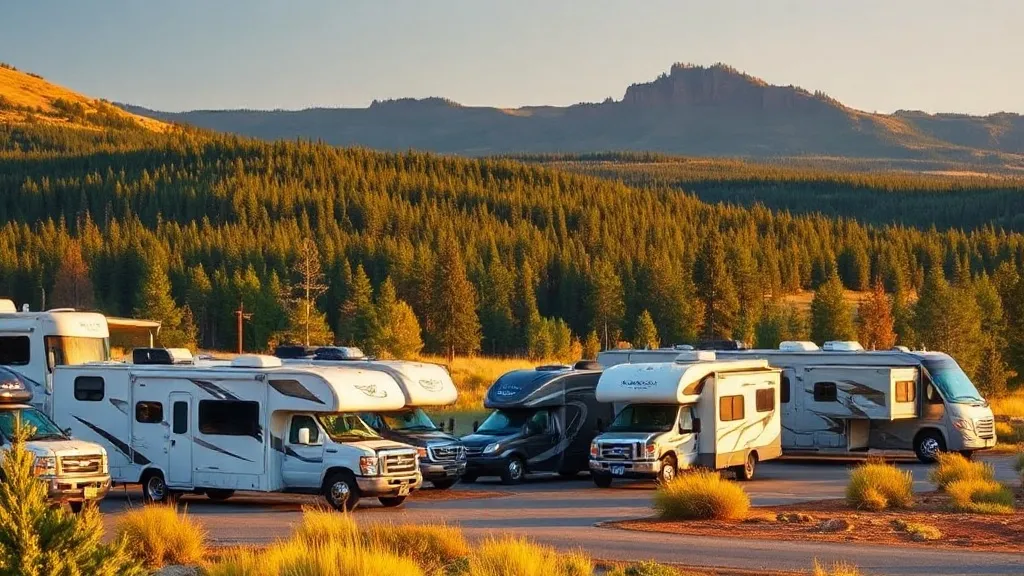
For a 2026 Yellowstone campground stay, use Yellowstone National Park Lodges for Fishing Bridge, Bridge Bay, Canyon, Grant, or Madison; use Recreation.gov for Indian Creek, Lewis Lake, Mammoth, Slough Creek, or Tower Fall. All summer campsites require reservations. Beginning with the 2027 summer season, the five Lodges campgrounds move to Recreation.gov.
That answer is verified against the current NPS Yellowstone campground table, NPS 2026 visitor notice, and Yellowstone National Park Lodges reservation policy. For hookup and location comparisons, use our Yellowstone RV camping flagship guide.
Related guides: Mammoth Campground Review: Yellowstone’s Only Year-Round Campground · Grand Teton RV Camping: Every Campground in the Tetons (2026)
The two systems, decoded
Yellowstone’s campgrounds are split between two operators.
Yellowstone National Park Lodges — the concessionaire operated by Xanterra Travel Collection under a National Park Service contract — handles the five developed campgrounds: Fishing Bridge RV Park, Bridge Bay, Canyon, Grant Village, and Madison. You book these at yellowstonenationalparklodges.com or by phone. These are the campgrounds most RVers want, including the only full-hookup option (Fishing Bridge).
Recreation.gov handles Indian Creek, Lewis Lake, Mammoth, Slough Creek, and Tower Fall. NPS says all summer campsites must be reserved; the only published first-come exception is Mammoth from October 15 through April 1.
Field tip: The biggest first-timer mistake is assuming everything is on Recreation.gov. If you want Madison, Fishing Bridge, Bridge Bay, Canyon, or Grant in 2026, Recreation.gov will never show them — you must use the Lodges site. Bookmark the right one before you start.
Per-campground reservation reference (2026)
These are the current NPS 2026 dates, rates, and combined RV-plus-vehicle limits. The live booking record controls if operations change.
| Campground | 2026 system | Stay dates | Fee | Max combined length |
|---|---|---|---|---|
| Fishing Bridge RV Park | Yellowstone NP Lodges | May 8–Oct 17 | $94 + tax | 95 ft |
| Bridge Bay | Yellowstone NP Lodges | May 15–Sep 13 | $38 + tax | 60 ft |
| Canyon | Yellowstone NP Lodges | May 29–Sep 19 | $45 + tax | 40 ft |
| Grant Village | Yellowstone NP Lodges | Jun 26–Sep 26 | $45 + tax | 50 ft |
| Madison | Yellowstone NP Lodges | May 1–Oct 17 | $38 + tax | 60 ft |
| Indian Creek | Recreation.gov | Jun 12–Sep 14 | $20 | 35 ft |
| Lewis Lake | Recreation.gov | Jun 15–Oct 11 | $20 | 25 ft |
| Mammoth | Recreation.gov | Year-round | $25 | 45 ft summer / 30 ft winter |
| Slough Creek | Recreation.gov | Jun 15–Oct 12 | $20 | 30 ft; assess access |
| Tower Fall | Recreation.gov | May 22–Sep 27 | $20 | 30 ft; hairpin curve |
Booking windows: when reservations open
The two systems open on very different timelines.
Yellowstone National Park Lodges (2026 stays). Its published window extends up to 13 months. On the fifth of each month, the same entire month of the following year opens online at midnight Mountain Time and by phone at 7 a.m. Because campground reservations change systems for summer 2027, use this process for remaining 2026 campground inventory—not as a 2027 campground calendar.
Recreation.gov. NPS describes a rolling six-month window: search the specific campground and date exactly six months ahead. The reservation page shows the precise release time and any site-specific equipment limit.
Booking setup: Create the correct account before release day, record the RV and tow/towed-vehicle lengths, and shortlist more than one campground. A payment method or open search result does not hold inventory; the confirmation page does.
The big change coming in 2027
Beginning with the 2027 summer season, Fishing Bridge, Bridge Bay, Canyon, Grant, and Madison move to Recreation.gov, with reservations opening approximately six months ahead. The concessioner continues managing those campgrounds, but Recreation.gov becomes the booking system and allows individual-site selection. Do not apply the Lodges 13-month timing to a 2027 summer campsite.
First-come, first-served: Mammoth in winter only
For the 2026 season, NPS lists one first-come exception: Mammoth Campground from October 15 through April 1. Its published maximum is 30 feet in winter, versus 45 feet during its reservation season from April through mid-October.
Indian Creek, Lewis Lake, Slough Creek, Tower Fall, and summer stays at Mammoth all require reservations. Older advice about lining up at a rustic campground before breakfast no longer describes the published 2026 system. Pebble Creek is closed, so it is not a fallback either.
If you are heading toward Yellowstone in summer without a confirmation, search both official booking systems for returned inventory and line up a reservable campground outside the park as a backup. Do not plan on a drive-up campsite appearing at the gate.
Renting an RV for this trip? Compare rigs, prices, and pickup locations on RVshare and Outdoorsy — both let you filter by rig size, dates, and location.
The cancellation strategy that actually works
Canceled campsites can return to inventory, but no release time or success rate is guaranteed. Use a repeatable search rather than relying on a supposed daily drop:
- Check the correct system repeatedly. Search Recreation.gov for its five campgrounds and the Lodges site for the other five in 2026.
- Stay flexible by a day or two. The single biggest lever. A site that’s full on your exact dates is often open if you can shift one night. Build slack into your itinerary.
- Target shoulder dates. Late May, June, and September have far more turnover and openings than the July–August peak.
- Use Recreation.gov availability alerts. They can notify you when compatible inventory returns on that system. For the five Lodges campgrounds in 2026, search the operator’s inventory directly.
- Book Fishing Bridge first if you need hookups. It’s the only full-hookup option and the hardest to land. Lock it before chasing anything else, and treat the dry campgrounds as the backup.
Field tip: A cancellation is not yours until checkout is complete. Keep a confirmed outside-the-park backup while you search.
Why cancellations happen when they do
The Lodges policy gives a full deposit refund with at least 30 days’ notice. Inside 30 days, a cancellation or change carries a $25 nonrefundable fee; inside seven days of a summer arrival, the full deposit is retained. Those thresholds may influence when travelers change plans, but they do not create a scheduled inventory release.
Recreation.gov shows the applicable cancellation terms during booking and offers availability alerts on eligible inventory. An alert is not a waitlist or a hold: you still have to open the result and finish the reservation before another traveler does.
Shoulder-season timing: the easy mode
The single biggest lever most RVers ignore is when they go. Late May, June, and especially September are dramatically easier to book than the July–August peak, and they’re arguably better trips: thinner crowds, active wildlife, and gentler temperatures. The trade-offs are real, though, and worth planning around.
- Late May / early June. Many campgrounds are just opening (Fishing Bridge opens around May 8 in 2026). Higher-elevation roads and some campgrounds may still be snowbound, and weather swings hard. Great for solitude and wildlife, riskier for access.
- September. Often the sweet spot — fall color, the elk rut, and more date options than midsummer. Campgrounds close on different schedules; Fishing Bridge’s published final stay night is October 17 in 2026.
- October–April. Effectively winter camping. Mammoth is the only campground open, on a first-come basis, and most park roads are closed to regular vehicles. This is a specialist trip, not a casual RV stop.
Field tip: If your dates are even slightly flexible, aim for the week after Labor Day. Availability loosens immediately, prices and crowds drop, and the park is at its most photogenic — yet the campgrounds and most services are still open.
Group and long-rig considerations
Two situations need extra planning. Long rigs are constrained by campground- and site-level limits: NPS lists 95 feet combined at selected Fishing Bridge sites, 60 feet at Bridge Bay and Madison, 50 at Grant, 40 at Canyon, and 25 at Lewis Lake. Mammoth’s published maximum is 45 feet in summer and 30 feet in winter. Measure the RV plus tow or towed vehicle and book the compatible equipment category shown in the live record.
Groups can reserve dedicated group sites at Madison, Bridge Bay, and Grant. They are limited and may not suit a multi-RV setup. Separate adjacent sites are not guaranteed, so compare the official group-site capacity with an outside-the-park campground before booking.
A realistic booking plan
- Decide hookups or dry. If you need hookups, your target is Fishing Bridge, on the Lodges site, booked first. If you can dry camp, you have far more options and more flexibility.
- Identify your campground’s system. Lodges for the five developed campgrounds, Recreation.gov for the rest, in 2026.
- Find your opening date. For remaining 2026 inventory, the Lodges window extends to 13 months and Recreation.gov rolls about six months ahead. For summer 2027, all ten campgrounds are expected on Recreation.gov at approximately six months.
- Search when the applicable window opens. Peak dates are competitive, but there is no promise that every equipment category releases or remains available.
- Run the cancellation playbook if you missed your dates or are traveling on short notice.
That’s the whole game. The systems are confusing, but once you know which campground lives where and when its window opens, securing a Yellowstone RV site is very doable.
For the campground-by-campground breakdown, return to the Yellowstone RV camping flagship guide, or compare the five developed campgrounds head-to-head in Yellowstone campgrounds compared. For the one campground with hookups, see the Fishing Bridge RV Park guide. And for hookup alternatives outside the gate, start at the Montana RV parks hub and our West Yellowstone RV parks guide.
Frequently asked questions
When do Yellowstone campground reservations open for 2026?
For 2026 stays, Fishing Bridge, Bridge Bay, Canyon, Grant and Madison are booked through Yellowstone National Park Lodges, whose published window is up to 13 months. Indian Creek, Lewis Lake, Mammoth, Slough Creek and Tower Fall are booked on a rolling six-month Recreation.gov window. Check live inventory now for remaining 2026 dates.
Can I get a Yellowstone campsite without a reservation?
In 2026, only Mammoth offers first-come, first-served sites, and only from October 15 to April 1. The rest of the year every in-park campground requires an advance reservation. Your best walk-up strategy in summer is to watch for same-day cancellations online.
Do all Yellowstone campgrounds use Recreation.gov?
Not for 2026. Five developed campgrounds — Fishing Bridge, Bridge Bay, Canyon, Grant, and Madison — are booked through Yellowstone National Park Lodges. The rest use Recreation.gov. Beginning in 2027, all of them move to Recreation.gov.
What's the best way to get a cancellation at a sold-out Yellowstone campground?
Search the correct booking system repeatedly, include adjacent dates and compare more than one campground. Recreation.gov availability alerts can help with its five campgrounds; the 2026 concessioner inventory must be checked through Yellowstone National Park Lodges. An opening is not guaranteed until checkout is complete.
How far in advance should I book a Yellowstone RV site for summer?
For fixed peak-summer dates, search as soon as the applicable window opens. Prioritize Fishing Bridge if full hookups are mandatory, then keep a dry-camping backup that fits your combined RV-and-vehicle length. Availability varies by date, campground and equipment category.
What is the cancellation policy for Yellowstone campground reservations?
Yellowstone National Park Lodges requires 30 days' notice for a full deposit refund. Inside 30 days, changes or cancellations carry a $25 nonrefundable fee; inside seven days of a summer arrival, the full deposit is retained. Recreation.gov reservations use that system's policy shown at checkout.
What is the largest RV that can camp inside Yellowstone?
The NPS 2026 table lists selected Fishing Bridge inventory up to 95 feet combined. Bridge Bay and Madison list 60 feet, Grant 50, Canyon 40, Indian Creek 35, and Lewis Lake 25. Mammoth lists 45 feet from May to mid-October and 30 feet in winter. The selected site and actual combined equipment length control.
About the author
Marisol ReyesCamping & Outdoors Editor
Marisol spent six years as an interpretive ranger in the California and Colorado state park systems before turning to writing full-time. She knows public-land camping from the inside — how reservation windows really work, why some loops fill before others, and which 'first-come, first-served' sites are worth gambling on.
More from Marisol →Keep reading
RV Camping in Bear Country: Montana Safety Guide
How to camp safely with bears in Montana — food storage rules for RVs, bear spray basics, and what Glacier and Yellowstone actually require.
Montana Boondocking: Legal Free Camping on Public Land
Plan legal Montana boondocking with current BLM and Forest Service stay limits, official maps, access checks, bear safety, and practical RV regions.
Planning a Montana RV Trip: Season, Routes & What to Know
How to plan a Montana RV road trip — the best route from Glacier to Yellowstone, when to go, rig size warnings, and reservation strategies that actually work.