Colorado Rocky Mountain RV Parks: 8 Campgrounds Compared
Compare eight Colorado mountain RV parks with verified 2026 rates, hookups, rig limits, seasons, reservation rules, and route-planning advice.
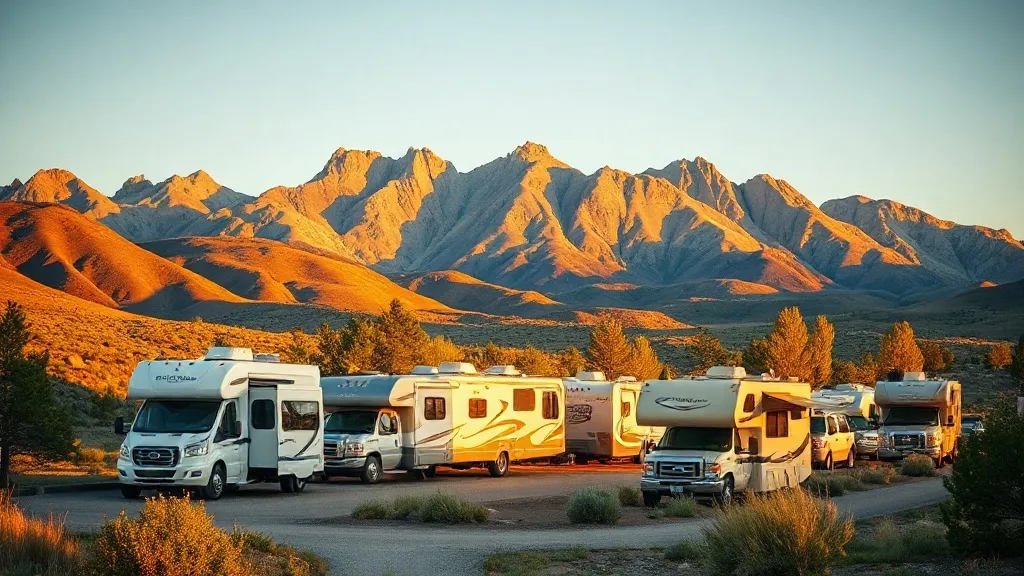
For a first Colorado mountain RV trip, use Chatfield State Park to acclimate near Denver, then choose Glacier Basin or Moraine Park for Rocky Mountain National Park, United Campground or Morefield for the southwest, and Jumbo or South Rim for a quieter Western Slope stop. These eight campgrounds are not interchangeable: elevation, hookups, seasonal access, and site-specific rig limits matter more than a generic “best” label.
This is a statewide mountain-route guide, not just an Estes Park list. If RMNP is your only destination, use our dedicated Estes Park RV camping guide. For every region and more lower-elevation choices, see the best RV parks in Colorado.
Quick comparison
| Campground | Area | Hookups | Verified 2026 price | Key planning fact |
|---|---|---|---|---|
| Chatfield State Park | Denver Front Range | Electric; 146 full hookup | $36–$41 + vehicle pass | 197 sites; full hookups seasonal |
| Mueller State Park | Pikes Peak | Basic or electric | $18–$36 + vehicle pass | 136 sites; reservations required |
| Glacier Basin | RMNP | None | $35 | 150 sites; 35-foot published limit |
| Moraine Park | RMNP | Dry or electric | $35 dry / $55 electric | Summer reservations; winter FCFS |
| United Campground | Durango | Full or water/electric | $71–$89 + tax | 100+ sites; May 1–Oct 15 |
| Morefield | Mesa Verde | Dry; 15 full hookup | Dynamic live quote | 267 sites; max RV 46 feet |
| Jumbo Campground | Grand Mesa | Most sites electric | From $26 | 26 sites; mixed release types |
| South Rim | Black Canyon | None available in 2026 | $20 | Only 25 sites reopened after fire |
Front Range: acclimation with easier access
The Front Range is a practical first stop because elevations around Denver are lower than the national-park and high-country campgrounds. Spend a night or two here if you are arriving from near sea level, provision the RV, and make sure the furnace, brakes, and cooling system are ready before climbing.
Chatfield State Park
Chatfield State Park camping has 197 campsites, all with electricity; 146 have full hookups during the normal full-service period from mid-April through mid-October. Electric camping continues year-round. Current base camping prices are $36–$41 per night, depending on hookup class, before the required daily vehicle pass. The park’s current vehicle-pass range is $12–$17.
This is the easiest full-hookup option in the guide for Denver access, a first acclimation night, or a final dump-and-fill stop. The campground entrance from Deer Creek Canyon Road has a 13-foot height restriction; taller RVs must enter from Plum Creek Parkway. That routing detail is more important than any unsupported park-wide rig maximum.
- Hookups: Electric at every site; 146 full hookup in season
- Sites: 197
- Price: $36–$41/night plus vehicle pass
- Reservations: Up to six months ahead
- Best for: Large-rig logistics, Denver access, acclimation
Mueller State ParkPark details →
Mueller State Park camping offers 136 campsites at roughly 9,500 feet, with basic and electric choices. Published camping prices span $18–$36, plus the vehicle pass. Reservations are required and may be made up to six months ahead.
Mueller stays open year-round, but winter service is much smaller: 29 electric sites remain available and the dump station is dry. Pet owners need to know the park’s unusually strict rule—pets are allowed in campsites, picnic areas, and along paved roads, but not on trails or in the backcountry.
- Hookups: Basic and electric sites; no full-hookup inventory advertised
- Sites: 136; 29 electric in winter
- Price: $18–$36/night plus vehicle pass
- Best for: Pikes Peak scenery, wildlife, and a quieter high-elevation stay
Rocky Mountain National Park
For summer 2026, RMNP’s developed campgrounds use advance reservations. Standard dry sites cost $35 and electric sites cost $55. Some inventory opens up to six months ahead and some is held for shorter booking windows, so a full six-month calendar is not always the final answer. The park also limits camping to seven total nights between May 1 and October 15.
An RMNP camping reservation handles entry for the reservation holder during the stay, but Bear Lake Road access has additional time and location rules. Read the current arrival instructions in Recreation.gov rather than relying on an old blanket statement about timed entry.
Glacier Basin Campground
Glacier Basin has 150 dry sites at about 8,500 feet and publishes a 35-foot maximum RV length. It is reservation-only in its operating season, which runs May 21 through September 8 in 2026. There are no hookups, so plan battery, water, and generator use around current park rules.
Glacier Basin is the straightforward RMNP pick when a dry site works and proximity to the Bear Lake side of the park matters. Summer nights can drop sharply; arrive with a functional furnace and do not count on daytime forecasts to represent overnight conditions.
- Hookups: None
- Sites: 150
- Price: $35/night
- Max RV: 35 feet published
- 2026 season: May 21–September 8
Moraine Park Campground
Moraine Park combines an open meadow setting with more service options than it had historically. In summer 2026, it operates May 21 through October 19. Standard dry sites are $35 and electric sites in Loops B and C are $55. There are no water hookups; use the fresh-water fill and dump station as available.
Winter operation is different. Loops A, B, C, and E shift to first-come, first-served use, with limited services; Loops B and C retain electrical pedestals. Do not assume that a summer site count, opening date, or amenity applies to a winter stay.
- Hookups: Electric in Loops B/C; no water hookups
- Price: $35 dry / $55 electric in summer 2026
- 2026 summer season: May 21–October 19
- Best for: RMNP scenery and the longest developed-campground season in this pair
Durango and Mesa Verde
Southwest Colorado rewards travelers who can give it several nights. Durango, Mesa Verde National Park, and the San Juan Mountains cover very different terrain, and drive times are longer than a map can make them look.
United Campground of DurangoPark details →
United Campground’s official rates list 2026 full-hookup pull-throughs at $89, full-hookup back-in or pull-in sites at $76, and water/electric sites at $71, before tax. The park has more than 100 RV sites and operates May 1 through October 15.
United sits about four miles from downtown—not within walking distance of the central restaurant district. Its signature feature is the Durango & Silverton train running through the property. That is memorable, but it also means train noise. The campground prohibits generators and wood fires.
- Hookups: Full or water/electric
- Sites: More than 100 RV sites
- Price: $71–$89/night plus tax in 2026
- Season: May 1–October 15
- Best for: Durango visits and train enthusiasts
Morefield Campground, Mesa Verde
Morefield is Mesa Verde National Park’s only campground. It has 267 sites, including 15 full-hookup sites, and publishes a 46-foot maximum RV length. Full services run April 24 through October 18 in 2026, though dates and inventory can change with operations.
Use a live quote for the current rate because site type and date drive the total. The campground is near the park entrance, but the major cliff-dwelling areas remain a substantial mountain-road drive away. Leave the RV in camp for sightseeing. Our Morefield Campground review covers the site types and park-day logistics in detail.
- Hookups: 15 full-hookup sites; remaining inventory varies
- Sites: 267
- Max RV: 46 feet published
- 2026 full-service season: April 24–October 18
Western Slope
The Western Slope adds high-country lake camping and canyon scenery with less Front Range traffic. It also adds two important caveats: Grand Mesa weather controls operating dates, and Black Canyon’s 2026 inventory is reduced by fire recovery.
Jumbo Campground, Grand Mesa
Jumbo Campground has 26 sites at roughly 9,800 feet. Contrary to older descriptions, most sites have electricity. Potable water, vault toilets, and trash service are listed, and displayed prices start at $26. Inventory includes both reservable and first-come, first-served releases.
The campground’s operating season depends on snow and road conditions. Select the exact site in Recreation.gov to verify driveway length and electrical service; do not apply one 35-foot maximum to the entire campground without checking.
- Hookups: Most sites electric; no sewer hookups
- Sites: 26
- Price: From $26
- Best for: High-country fishing and Grand Mesa scenery
South Rim Campground, Black Canyon of the Gunnison
Black Canyon requires a special 2026 note. After fire impacts, the park reopened only 25 non-electric South Rim sites for reservations from May 18 through September 30. Electric sites are unavailable in 2026. The dry-site fee is $20 per night.
The normal campground layout has more inventory, but quoting the normal 88-site/23-electric configuration as currently available would be misleading. Check the NPS campground update and Recreation.gov immediately before booking because recovery conditions can change.
- Hookups in 2026: None available
- Available inventory: 25 non-electric sites
- Price: $20/night
- 2026 reservation period: May 18–September 30
Route planning for a mountain RV
Match the campsite, not just the campground
Colorado’s booking systems often enforce dimensions at the individual-site level. Measure the RV, tow vehicle, and any rear carrier; then read the selected site’s driveway length and approach notes. “Big-rig friendly” on a directory page does not guarantee that a particular loop works for your setup.
Use official road restrictions
Do not let a passenger-car map choose a mountain pass for an RV. Check Colorado Department of Transportation alerts, commercial-navigation restrictions where applicable, and the towing limits in your chassis manual. Independence Pass prohibits vehicles or combinations over 35 feet. Other routes may be legal but still unsuitable for your experience, weather, or braking capacity.
Use lower gears before a descent rather than riding the brakes, and stop if brakes or transmission temperatures rise. Summer construction, hail, wildfire closures, and early snow can all alter the best route on the day of travel.
For the San Luis Valley rather than the I-70 or RMNP corridors, compare the RV parks near Great Sand Dunes.
Plan for altitude
Several campsites here sit above 8,000 feet. Ascend gradually, hydrate, limit hard exertion on arrival day, and descend if symptoms such as severe headache, confusion, or shortness of breath do not improve. High elevation also reduces generator and engine output and can expose marginal cooling or battery systems.
Temperatures can fall below freezing even when the valley forecast looks mild. Keep propane available, protect water lines, and verify seasonal water service. Never use a generator, grill, or heater in an enclosed or partly enclosed space because of carbon-monoxide risk.
Best time and booking strategy
Late June through September offers the broadest access, but July and August bring afternoon thunderstorms. September often combines fall color with lighter midweek demand. Snow can delay spring openings or end high-country seasons early.
Colorado Parks and Wildlife generally accepts reservations up to six months ahead. Its current statewide base prices span $22–$28 for basic sites, $27–$36 for electric sites, and $32–$41 for full hookups, before the vehicle pass. Federal and private campgrounds use their own windows and cancellation rules.
Reserve the exact destination first if your trip depends on RMNP, then build the route around it. For flexible travelers, search short-window inventory and cancellations instead of assuming every desirable date disappears permanently at six months.
Fire restrictions can change by jurisdiction and day. Check the managing agency before using any flame, including charcoal. A propane appliance with an immediate shutoff may be permitted when a wood fire is not, but the posted local order controls.
Frequently asked questions
What is the best Colorado Rocky Mountain RV park with full hookups?
Chatfield State Park is the most convenient Front Range choice, with all-electric camping and 146 full-hookup sites during the main season. United Campground is the strongest private base for Durango, while Morefield has only 15 full-hookup sites inside Mesa Verde.
Do Rocky Mountain National Park campgrounds have hookups?
Glacier Basin has no hookups. Moraine Park has electric sites in Loops B and C but no water hookups; other sites are dry. In summer 2026, standard dry sites cost $35 and electric sites cost $55.
How far ahead can I reserve a Colorado campsite?
Colorado Parks and Wildlife and many federal campgrounds release inventory up to six months ahead. Rocky Mountain National Park also holds some inventory for shorter booking windows, so check Recreation.gov even when six-month dates appear full.
Which Colorado mountain campground is best for a large RV?
Chatfield, United Campground, and Morefield offer site-specific options for larger rigs. Mountain campgrounds do not share one universal maximum, so enter the combined RV and tow-vehicle dimensions and check the selected site's driveway before reserving.
When is the best season for RV camping in the Colorado Rockies?
Late June through September offers the widest campground and road access. September adds fall color and cooler nights. High-elevation openings and closures depend on snow, and nights can freeze even in summer.
About the author
Marisol ReyesCamping & Outdoors Editor
Marisol spent six years as an interpretive ranger in the California and Colorado state park systems before turning to writing full-time. She knows public-land camping from the inside — how reservation windows really work, why some loops fill before others, and which 'first-come, first-served' sites are worth gambling on.
More from Marisol →Keep reading
Best RV Parks in Colorado: A Region-by-Region Guide for 2026
The best RV parks in Colorado, organized by region — Rocky Mountain NP, Pikes Peak, Durango, the Front Range, and the Western Slope, with real rates and hookup details.
Colorado Hot Springs RV Parks: Where to Camp Near the Soaks
RV parks near Colorado's best hot springs — Pagosa Springs, Glenwood Springs, Mount Princeton, and Steamboat — with verified hookups, rates, and rig limits.
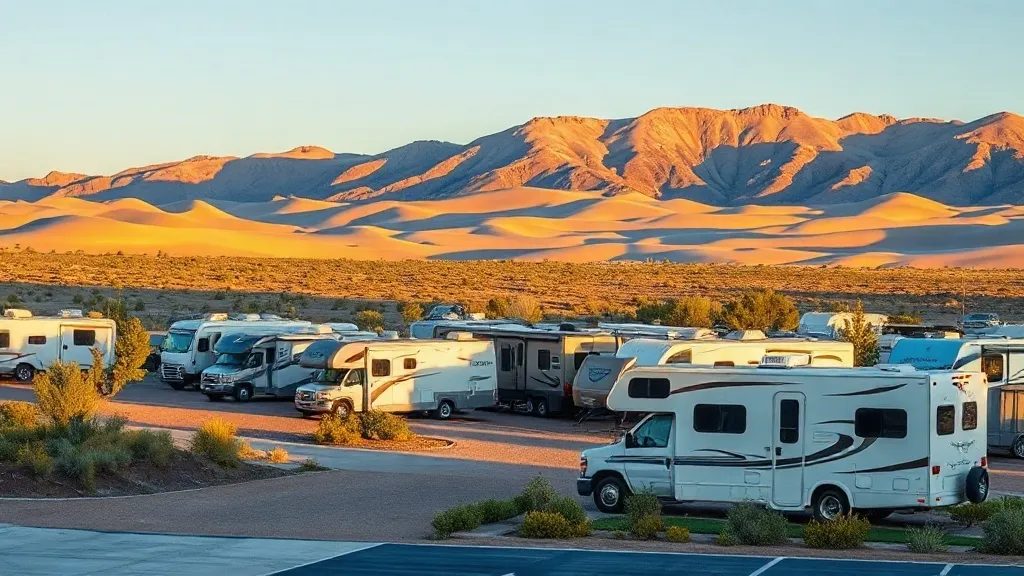
RV Camping Near Great Sand Dunes: 5 Campgrounds Compared
Compare five RV camping options near Great Sand Dunes, including Piñon Flats' 2026 limits, the Oasis' $55 full-hookup sites, and KOA pull-throughs.