Big Rig Friendly RV Parks: What Makes a Park Actually Work for a 40-Foot Class A
What 'big rig friendly' really means — pull-throughs, 50 amp, turning radius, length limits — plus verified RV parks that genuinely take 40 ft+ Class A coaches.

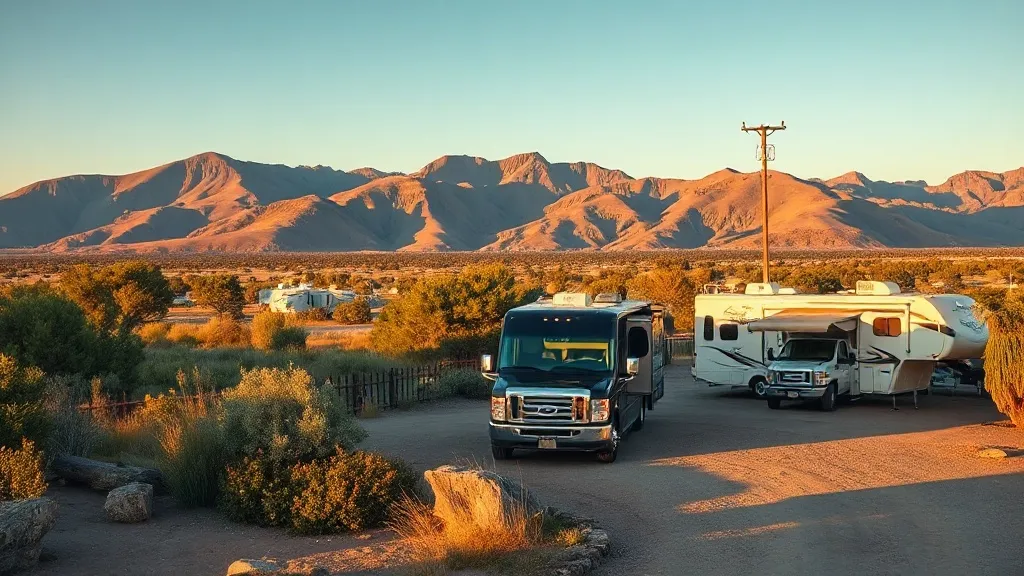
“Big rigs welcome.” You see it on half the RV park listings in the country, and it means almost nothing on its own. We’ve watched 43-foot coaches inch down a road designed for pop-up trailers, scraping a mirror on a low branch, only to reach a “big rig” site that turned out to be a back-in barely longer than the coach itself. A park that genuinely works for a 40-foot Class A is a specific thing, and learning to spot it from a listing — before you’ve committed a full day’s drive — is one of the most valuable skills a large-rig owner can develop.
This guide breaks down exactly what makes a park big-rig friendly, the details that listings hide, and a set of parks we’ve verified actually take 40 ft and larger coaches comfortably. We’ve checked each one for pull-through availability, 50 amp service, and real site dimensions, and we’ve flagged the honest exceptions where a “big rig” park is actually all back-in.
What “big rig friendly” really means
Strip away the marketing and four things determine whether a park works for a large coach.
1. Long pull-through sites
A pull-through lets you drive straight in and straight out — no backing, no disconnecting your towed vehicle, no spotter waving frantically in your mirror. For a 40-foot coach pulling a car, your total length might be 58–62 feet, so you want pull-throughs rated comfortably longer than that. A 70-foot pull-through gives you room to park the rig and leave the toad attached, which is the whole point.
Back-ins can work, but they demand more skill and time, and a tight back-in with a towed vehicle means disconnecting first. If a park is all back-in, it can still be big-rig capable — but only if the sites are genuinely oversized and the approach is wide.
2. 50 amp electrical service
Big coaches pull big power. Two or three roof air conditioners, a residential fridge, a washer-dryer, an induction cooktop — that’s a 50 amp load, full stop. A truly big-rig friendly park offers 50 amp at the sites it markets to large rigs, not as a rare premium upgrade. Running a 50-amp coach on a 30-amp pedestal in an Arizona summer is a recipe for constant breaker trips.
3. Turning radius and road width
This is the detail that listings never publish and that ruins arrivals. The interior roads have to be wide enough, the turns gentle enough, and the tree branches high enough for a tall coach to reach its site without a three-point turn or a scraped roof. Newer, purpose-built resorts almost always win here; older parks that grew piecemeal often don’t. When in doubt, call and ask directly about road width and overhead clearance.
4. Honest length limits
A published “max RV length” is only useful if it accounts for the reality: slide-outs that widen you, a truck or toad that lengthens you, and the levelers and steps that extend your footprint. Treat published maximums as optimistic and give the park your true numbers when you book.
Field tip: Before you commit, call and give the park three numbers — your total length including tow, your width with all slides out, and your amperage. Then ask one more question: “Can a rig my size pull through and park without disconnecting?” The answer tells you more than any listing.
Verified big-rig friendly parks
Each of these we’ve verified for the features that matter to a 40 ft+ coach. We’ve been honest about which are pull-through havens and which are excellent but back-in.
Verde Ranch RV Resort — Camp Verde, Arizona
A modern, purpose-built resort near Sedona, and one of the most genuinely big-rig friendly parks in the Southwest. Long, wide pull-throughs, all full hookup with 50 amp, and roads built for coaches.
- Hookups: Full hookup, 30/50 amp, water, sewer, Wi-Fi
- Sites: 389 full hookup sites, ~125 pull-through
- Cost: Premium resort pricing (approximate; varies by season)
- Max RV length: Pull-throughs 75 ft long x 30 ft wide
- Reservations: Direct / online (Campspot)
- Best for: Big Class A coaches and toy-haulers wanting a polished Sedona-area base with room to spare
The 30-foot pad width is the standout — there’s space for full slide-outs without crowding your neighbor.
Bentsen Palm Village RV Resort — Mission, Texas
The hub-and-spoke circle layout here was practically designed for big rigs: the radial roads give large coaches an unusually forgiving turning approach into the 92 pull-through sites.
- Hookups: Full hookup, 30/50 amp, water, sewer
- Sites: 237 sites, 92 pull-through
- Cost: Mid-range; seasonal snowbird rates (approximate)
- Max RV length: Pads up to ~80 ft
- Reservations: Direct with the resort
- Best for: Winter Texans in large rigs wanting easy maneuvering in the Rio Grande Valley
Grand Canyon Railway RV Park — Williams, Arizona
The only all-paved park in Williams, with 73 pull-throughs and 50 amp at every site. Paved throughout means no dust and easy leveling for a heavy coach.
- Hookups: Full hookup, 30/50 amp, water, sewer
- Sites: 124 paved sites, 73 pull-through
- Cost: Mid-range (approximate)
- Max RV length: Pull-throughs around 65–70 ft
- Reservations: Direct with the Railway & Hotel
- Best for: Big rigs visiting the Grand Canyon who want paved pull-throughs and the train to the South Rim
Bella Terra of Gulf Shores — Foley, Alabama
A Class A motorcoach-focused luxury resort on the Alabama Gulf Coast, with full hookup pull-throughs, oversized lots, and even 100-amp service available. It’s built specifically for large coaches — note the resort restricts entry to Class A coaches (32 ft minimum) and qualifying Super Cs.
- Hookups: Full hookup, up to 100 amp available, water, sewer
- Sites: Full hookup pull-through and premium sites across ~40 acres
- Cost: Premium / luxury resort pricing (approximate)
- Max RV length: Oversized lots for large luxury coaches
- Reservations: Direct with the resort
- Best for: Owners of newer, large Class A coaches wanting a Gulf Coast luxury base
Zion River Resort — Virgin, Utah
A big-rig friendly Zion gateway with long pull-throughs along the Virgin River. The standout choice for getting a large coach close to the park without dry camping.
- Hookups: Full hookup, 30/50 amp, water, sewer, cable
- Sites: Full hookup sites including pull-throughs
- Cost: Premium for the region (gateway; approximate)
- Max RV length: Pull-throughs ~60–70 ft
- Reservations: Direct with the resort
- Best for: Reaching Zion in a 40 ft coach with full hookups intact
Renting an RV for this trip? Compare rigs, prices, and pickup locations on RVshare and Outdoorsy — both let you filter by rig size, dates, and location.
Comparison table
| Park | Region | Cost (approx) | Hookups | Max length | Reservations |
|---|---|---|---|---|---|
| Verde Ranch RV Resort | Camp Verde, AZ | Premium | Full, 30/50 amp | 75 ft pull-thru | Direct / Campspot |
| Bentsen Palm Village | Mission, TX | Mid-range | Full, 30/50 amp | ~80 ft | Direct |
| Grand Canyon Railway RV Park | Williams, AZ | Mid-range | Full, 30/50 amp | ~65–70 ft pull-thru | Direct |
| Bella Terra of Gulf Shores | Foley, AL | Premium | Full, up to 100 amp | Oversized lots | Direct |
| Zion River Resort | Virgin, UT | Premium | Full, 30/50 amp | ~60–70 ft pull-thru | Direct |
Planning a big-rig trip
Lead with reservations. Long pull-throughs are the first sites to sell out, especially in winter at the Sun Belt resorts and in spring and fall at the national-park gateways. Book the moment your dates are firm, and ask to be placed on a 50 amp pull-through specifically rather than “any big rig site.”
Confirm the approach, not just the site. The hardest part of a big-rig stay is usually the last quarter-mile: the entrance gate, the office loop, the turn onto your row. Ask whether the park has had 40 ft+ coaches with toads navigate to the site you’re booking. Purpose-built resorts (Verde Ranch, Bella Terra) handle this effortlessly; check carefully at older parks.
Mind the season and the heat load. A big coach running multiple ACs is exactly why 50 amp matters in Arizona and Texas summers. If you’re a winter snowbird, that same 50 amp keeps electric heat and a residential fridge happy. Either way, confirm 50 amp before you arrive.
Budget for premium pads. The parks that genuinely fit a 40-foot coach with room to spare tend to be newer and pricier. Weekly and monthly rates soften the blow on longer stays, which is how most big-rig snowbirds book.
Once you know your park fits, the next question is hookups — start with full hookup RV parks: what full hookups really mean, and if you’re deciding whether you even need sewer at the pad, see full hookup vs partial hookup. For regional picks, browse our state hubs for Arizona, Texas, Florida, and California, or the flagship guides to the best RV parks in Arizona, Texas, Florida, and California.
Frequently asked questions
What makes an RV park big-rig friendly?
Four things matter most: long pull-through sites so you never have to unhitch or back a 40-foot coach, 50 amp electrical service, wide interior roads with a generous turning radius, and honest published length limits that account for slide-outs and a towed vehicle. A park that nails all four is genuinely big-rig friendly; one that just says 'big rigs welcome' may only mean a couple of oversized back-ins.
How long is a big rig?
There's no official cutoff, but in practice 'big rig' usually means a Class A motorhome or fifth wheel of 35 feet or more, and especially 40 feet and up. Once you add a towed car or a long truck, your total length can hit 60-plus feet, which is the number that actually determines whether a pull-through site fits.
Do I need pull-through sites for a big rig?
You don't strictly need them, but they make life far easier. Backing a 40-foot coach into a tight site, often with a towed vehicle to disconnect first, is stressful and time-consuming. A long pull-through lets you drive straight in, level, and connect. If you must take a back-in, look for one rated wider than your rig with clear approach angles.
What does '50 amp' have to do with big rigs?
Most big rigs run two or three roof air conditioners, a residential refrigerator, and often a washer-dryer. That load needs a 50 amp connection, which delivers about 12,000 watts versus 30 amp's 3,600. A big-rig friendly park should have 50 amp at the sites it markets to large coaches, not just a handful.
How do I confirm a park really fits my rig before booking?
Call ahead and give them your real total length including any tow, your widest point with slides out, and your power need. Ask specifically about pull-through length, road width, and low branches or tight turns getting to the site. Published max lengths are often optimistic, so a quick phone call is the surest way to avoid a bad arrival.
About the author
Marisol ReyesCamping & Outdoors Editor
Marisol spent six years as an interpretive ranger in the California and Colorado state park systems before turning to writing full-time. She knows public-land camping from the inside — how reservation windows really work, why some loops fill before others, and which 'first-come, first-served' sites are worth gambling on.
More from Marisol →Keep reading
Mesa & Apache Junction RV Resorts: 12 Parks With 2026–27 Rates
The East Valley snowbird deep dive: Mesa Spirit, Viewpoint, Valle del Oro, Monte Vista, Towerpoint, Mesa Regal, Sun Life, Good Life, Val Vista Villages, the Mesa/Apache Junction KOA, Lost Dutchman State Park and Usery Mountain, with 2026–27 nightly, monthly and seasonal rates, 55+ rules and short-stay policies.
Quartzsite RV Parks: 10 Hookup Parks, La Posa LTVA and Free BLM (2026–27)
Park-by-park guide to RV camping in Quartzsite, Arizona for the 2026–27 snowbird season: full-hookup parks with verified nightly, monthly and seasonal rates, the La Posa LTVA permit, the five free 14-day BLM areas, and the January 2027 show dates.
Yuma RV Parks: 12 Best Snowbird Resorts and BLM Camps (2026–27)
Verified 2026–27 guide to RV parks in Yuma, Arizona: Sun Vista, Westwind, Fortuna de Oro, Caravan Oasis, Bonita Mesa, Villa Alameda, Cocopah Bend, Yuma Lakes, the River Front KOA, Winterhaven across the river, and BLM boondocking at Imperial Dam LTVA and Senator Wash, with nightly, monthly and seasonal rates, 55+ rules and the Los Algodones day trip.