Moraine Park Campground Elevation, Prices & RV Review (2026)
Moraine Park Campground review with its 8,160-foot elevation, 244 sites, 49 electric hookups, 40-foot limit, 2026 fees and reservation rules.
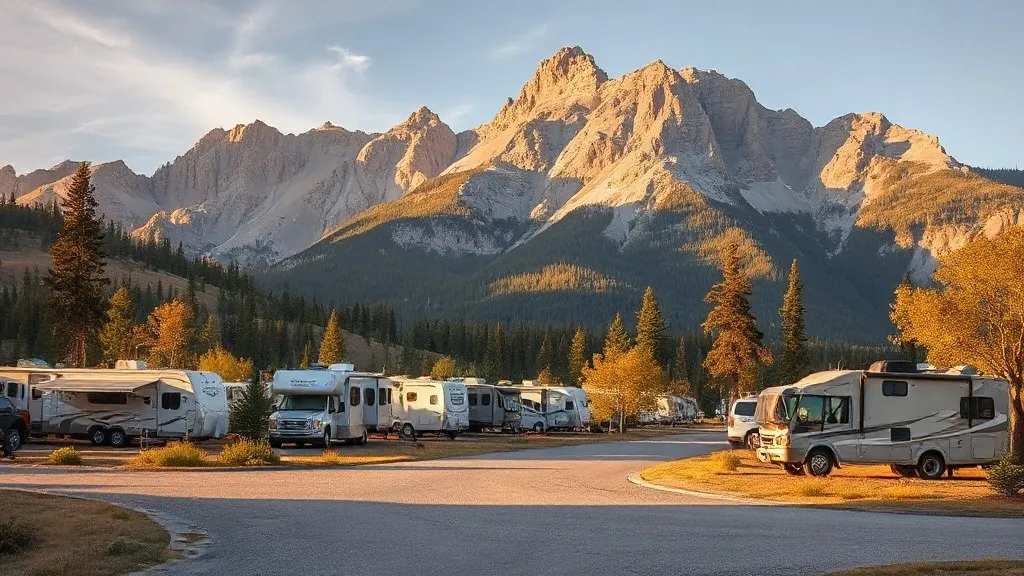
Moraine Park is Rocky Mountain National Park’s strongest RV campground when you want in-park electric service. NPS lists 244 sites at 8,160 feet, including 49 electric sites in Loops B and C with 20/30/50-amp service. Summer 2026 rates are $35 non-electric / $55 electric, and the published maximum is 40 feet; exact Recreation.gov site details still control.
Quick answer: Moraine Park Campground’s elevation is 8,160 feet — high enough that altitude matters for both people and engines. Moraine Park Campground prices are $35 per night for a standard non-electric site and $55 per night for an electric site in summer (per Recreation.gov), and $30/$55 in winter, plus the separate park entrance fee. There are 244 sites, 49 with 20/30/50-amp electric in Loops B and C, no water or sewer hookups, a 40-foot combined-length maximum, and only solar-shower stalls (bring your own bag).
Moraine Park Campground at a glance
| Moraine Park Campground (RMNP) | |
|---|---|
| Elevation / altitude | 8,160 ft (2,487 m) |
| Prices | Summer $35 non-electric / $55 electric; winter $30 / $55 |
| Sites | 244 across Loops A–D (49 electric in Loops B and C) |
| Hookups | 20/30/50-amp electric on 49 sites; no water or sewer at sites |
| Max length | 40 ft combined; verify per site |
| Showers | Solar-shower stalls only, bring your own bag |
| Season | Summer reservation-only (May 21–Oct 19, 2026); winter first-come, first-served |
| Reservations | Recreation.gov (includes Timed Entry+ Bear Lake Road) |
Those electric hookups are a significant development. Rocky Mountain National Park has historically been a dry-camping-only destination for RVers, which meant running generators during limited windows, managing battery banks, or simply limiting your stay to what your rig could handle unplugged. The addition of electric service at Moraine Park — concentrated in Loops B and C — changes the equation for RVers who want to spend a week exploring Trail Ridge Road, hiking to alpine lakes, and watching elk from their campsite without worrying about battery voltage.
The campground has a dump station and clean-water fill but no water or sewer hookups at individual sites. Summer reservations are required; some inventory is released on a shorter window. Winter camping is first-come, first-served, with electric sites still available in Loops B and C.
The trade-offs are the 40-foot ceiling, high elevation, limited at-site utilities and the need to reserve the exact pad that fits your equipment. Compare it with hookup options in our Colorado price index.
Getting There
Moraine Park Campground is located on the east side of Rocky Mountain National Park, accessed through the Beaver Meadows Entrance near Estes Park, Colorado. The campground sits along Bear Lake Road, approximately 3 miles from the Beaver Meadows entrance station.
From Denver (the most common approach): Take I-25 North to US-36 West through Boulder and Lyons to Estes Park. Total distance is approximately 70 miles, about 1.5 to 2 hours depending on traffic. The route is well-maintained and RV-friendly, though the canyon section of US-36 between Lyons and Estes Park has some moderate curves. Alternatively, take I-25 North to CO-66 West to US-36 West — a slightly longer but sometimes less congested approach.
From the west (Grand Lake side): Trail Ridge Road (US-34) crosses the park from Grand Lake to Estes Park but has a maximum vehicle length of 35 feet on certain sections and closes in winter (typically late October through late May depending on snowfall). This is not a practical RV approach for most of the year.
From Fort Collins: Take US-287 South to US-34 West through Loveland and the Big Thompson Canyon to Estes Park. About 65 miles, 1.5 hours. The Big Thompson Canyon section has moderate curves but handles RVs well.
Once in Estes Park, follow signs to the Beaver Meadows Entrance (the main east-side entrance). From the entrance station, bear right onto Bear Lake Road and follow signs to Moraine Park Campground. The campground entrance is clearly marked on the left side of Bear Lake Road.
Timed entry: Recreation.gov says an overnight Moraine Park reservation includes Timed Entry+ Bear Lake Road. On the first day, campground guests may enter through Grand Lake, Beaver Meadows or Fall River beginning at 1 p.m. Carry the confirmation and verify the current conditions attached to your reservation.
The Campground: Moraine Park Campground elevation and layout
Moraine Park Campground sits at 8,160 feet, where the broad meadow meets mixed conifer forest. The open Moraine Park valley and Continental Divide backdrop are the main reasons to choose this campground, and elk may be visible around the meadow. Treat every sighting as wildlife viewing, not a guarantee.
At this altitude expect thin air on the first day, strong sun, and fast-moving afternoon storms; the town of Estes Park below sits at about 7,500 feet and Trail Ridge Road climbs to 12,183 feet, so Moraine Park is a middle rung, not the top.
The campground has 244 sites organized across four loops: A, B, C, and D. The loops vary significantly in character, amenities, and suitability for RVs.
Loop B — The Year-Round Loop with Electric Hookups
Loop B contains electric inventory and remains part of winter operations. It is not the only winter area: NPS currently lists Loop A sites 1–62, Loops B and C, and Loop E for the winter season. Winter camping is first-come, first-served.
Loop B is a practical RV choice because it includes electric inventory and remains part of winter operations. Compare the exact site view, dimensions and surface on Recreation.gov rather than assuming every Loop B site faces the meadow.
Loop C — Electric Hookups in the Forest
Loop C also contains electric inventory. Use the Recreation.gov photos and site map to compare tree cover, driveway dimensions and neighboring sites.
Loop A — Standard Sites
Loop A offers standard non-electric sites in a forested setting. These are tent-friendly and work for smaller RVs that do not need hookups.
Loop D — Standard Sites
Loop D provides additional non-electric sites, generally in forested positions. Like Loop A, these are better suited for tent camping and smaller self-contained rigs.
Site Layout and RV Specifics
Site surfaces and dimensions vary. Recreation.gov lists the equipment and vehicle limits for each reservable site; use those details rather than a loop-wide assumption.
The critical RV limitation: combined vehicle and towed unit length cannot exceed 40 feet. This is an absolute limit — the campground driveways and sites are built into natural terrain with trees and boulders defining the boundaries. There is no room to fudge it. Before booking, check the individual site details on Recreation.gov for maximum vehicle lengths, as many sites are designed for tents or vans only and cannot accommodate any RV or trailer.
Sites to Request
- Loop B or C sites with electric hookups for powered camping (filter on Recreation.gov for electric sites)
- Sites whose photos and map position match your preferred meadow or forest setting
- Sites whose listed dimensions fit every vehicle and piece of equipment in your party
Sites to Avoid
- Tent-only or van-only sites if you have an RV — the listings are specific about size limits for a reason
Hookups and Amenities
Moraine Park Campground prices (2026) and electric hookups
The 49 electric hookup sites represent a major improvement for RMNP’s RV camping infrastructure. The pedestals support 20, 30, and 50-amp service, meaning you can run basic systems (lights, refrigerator, charging) on 20-amp, moderate loads (space heater, microwave) on 30-amp, or full residential loads including air conditioning on 50-amp.
Electric service can support battery charging and onboard appliances, subject to the pedestal rating and your rig’s electrical system. Weather at 8,160 feet can change quickly, so check the NPS forecast before arrival.
NPS publishes $55 per night for a summer electric site and $35 for a summer standard non-electric site. Winter rates are $55 electric and $30 non-electric.
Water and Sewer
There are no water or sewer hookups at individual sites. Potable water is available from spigots distributed throughout the campground. An RV dump station is located near the ranger station, accessible to all campground guests. The dump station is closed during winter operations. As of August 2026, Recreation.gov notes that the fresh-water fill at the dump station is out of service and campers must drive to Glacier Basin Campground to fill RV tanks — check the live listing before arriving with empty tanks.
Flush Toilets
NPS lists seasonal flush toilets and potable water. Confirm current facility status for shoulder-season and winter stays.
Does Moraine Park Campground have showers?
Moraine Park does not have a traditional campground shower house. Recreation.gov describes solar-shower facilities that require campers to bring their own solar shower bag; confirm availability for your dates.
Amphitheater and Ranger Programs
An outdoor amphitheater is listed among the campground amenities. Check the current NPS calendar for ranger-program dates.
Shuttle Stop
A park shuttle stop is located at the campground during the operating season. Check the current NPS route map and timetable because service dates and frequencies change.
What Each Site Includes
- Picnic table
- Fire ring with cooking grate (subject to fire restrictions)
- Food storage box (bear box) — all food and scented items must be stored inside when unattended
- Parking space (dirt or concrete pad, varies by site)
- Electric pedestal (Loops B and C hookup sites only)
What’s Nearby
Trail Ridge Road
The premier scenic drive in the Rocky Mountain region, Trail Ridge Road (US-34) climbs from Estes Park to over 12,183 feet — the highest continuous paved road in the United States. The road crosses alpine tundra above treeline, with pullouts offering views of glacial cirques, distant peaks, and the Continental Divide. The full drive from the Beaver Meadows entrance to Grand Lake on the west side is approximately 48 miles.
Key stops along Trail Ridge Road:
- Many Parks Curve (9,620 feet): Panoramic view of the glacial valleys below
- Forest Canyon Overlook (11,716 feet): Views into a deep glacial valley with remnant ice fields
- Alpine Visitor Center (11,796 feet): Gift shop, exhibits, and a short trail to a 12,000-foot viewpoint
- Milner Pass (10,758 feet): The Continental Divide crossing point
RV note: Trail Ridge Road is navigable by RVs, but the altitude, grades, and occasional tight curves demand respect. Your engine will produce less power at 12,000 feet than at sea level — plan for slower climbing speeds and use lower gears on descents. The maximum combined vehicle length is 35 feet on Trail Ridge Road.
Hiking from Moraine Park
The campground’s location provides direct access to several trailheads:
- Cub Lake Trail (5.6 miles round trip, moderate): Starts from the Cub Lake Trailhead at the west end of Moraine Park. Passes through meadows, aspen groves, and lily-pad-covered ponds to a rocky cirque lake.
- Fern Lake Trail (5.4 miles one-way to Fern Lake, strenuous): Starts from the Fern Lake bus stop, accessible by shuttle. Passes The Pool, Fern Falls, and climbs to Fern Lake at 9,530 feet.
- Bear Lake Trailhead (shuttle access): The shuttle from Moraine Park connects to Bear Lake, the starting point for hikes to Dream Lake (2.2 miles round trip), Emerald Lake (3.6 miles), Nymph Lake (1 mile), and Flattop Mountain (8.8 miles to the summit at 12,324 feet).
- Moraine Park Discovery Center: A short walk from the campground, with exhibits on the park’s geology and ecology.
Elk Viewing
Moraine Park is a known elk-viewing area, particularly during the fall rut. Sightings and herd sizes are never guaranteed. Follow current NPS wildlife-distance guidance and use designated viewing areas where provided.
Estes Park Town
The gateway town of Estes Park sits just outside the Beaver Meadows entrance, about 3 miles from the campground. The town has:
- Full grocery stores (Safeway, City Market)
- Hardware and camping supply stores
- Restaurants ranging from fast food to fine dining
- Gas stations (fuel up here — there is no gas inside the park on the east side)
- Breweries and distilleries
- Shopping, galleries, and the historic Stanley Hotel (the inspiration for Stephen King’s The Shining)
- Medical clinic and pharmacy
The Honest Details
What Works
The meadow setting is the main differentiator. Moraine Park combines an in-park campsite with an open valley and Continental Divide backdrop; elk viewing is a possible bonus, not a promised amenity.
The electric hookups change the RV equation. For years, RV camping at RMNP meant dry camping or staying at private parks in Estes Park. The 49 electric hookup sites at Moraine Park mean you can camp inside the park with powered comfort — charging batteries, running a space heater on cold mornings, keeping your residential fridge running. At 8,160 feet where nights regularly drop into the 40s even in July, electric heat is a meaningful comfort upgrade.
Seasonal shuttle access can reduce driving. The campground stop connects with the park network when that route is operating; verify current dates and times before planning a car-free day.
Moraine Park remains the park’s winter campground. Winter sites are first-come, first-served in the areas NPS opens, currently Loop A sites 1–62, Loops B and C, and Loop E. Electric sites remain available in B and C; sites are not plowed or shoveled by campground staff.
The published rate is easy to compare. Summer 2026 is $35 for a standard site and $55 for an electric site. Private parks use date- and site-specific pricing, so use the Colorado price index and live booking quotes for a like-for-like comparison.
What Doesn’t Work
The 40-foot published maximum excludes larger combinations. Individual sites can be shorter and some are tent- or van-only. Check the exact Recreation.gov equipment limits before booking; compare private Estes Park parks if no campsite fits.
There are no water or sewer hookups at sites. Potable water and a seasonal dump station are shared facilities, so arrive with a tank plan that matches the current operating status.
Summer camping is reservation-only. Recreation.gov notes that some inventory is held for a shorter booking window. Review the current release schedule and shortlist multiple exact sites; winter inventory is first-come, first-served in the areas NPS opens.
The campground is at high elevation (8,160 feet). Visitors and equipment can respond differently at 8,160 feet. Review NPS high-elevation guidance, plan a conservative first day and seek medical help for severe or worsening symptoms.
There is no conventional shower house. The listed solar-shower facilities require your own solar bag; confirm their current availability.
Fire rules can change. Check the current NPS restriction page before using the site’s fire ring or cooking equipment.
Who It’s Best For
- RVers whose exact equipment fits a listed site who want to camp inside RMNP with electric hookups
- Hikers who want shuttle access to Bear Lake trailheads without the parking nightmare
- Wildlife enthusiasts — the elk viewing at Moraine Park is among the best in any national park
- Fall visitors (September–October) for the elk rut, aspens turning gold, and thinner crowds
- Winter campers with cold-weather gear who want a quiet, snow-dusted Rocky Mountain experience
- Photographers chasing alpine light, elk, and Continental Divide panoramas
Who Should Look Elsewhere
- Big-rig owners whose equipment exceeds every suitable listing — compare Estes Park private parks
- RVers who need full hookups (water and sewer at site) — Moraine Park has electric only, no water/sewer connections
- Visitors who struggle at altitude — if you have known altitude sensitivity, consider lower-elevation options in the Estes Park area (town elevation is 7,500 feet, still high but 660 feet lower)
- Anyone expecting traditional campground showers — bring a solar bag or plan on using Estes Park facilities
For more Estes Park area camping options, see our Estes Park RV camping guide. For statewide Colorado options, explore our Rocky Mountains RV parks guide.
Moraine Park Campground specs, prices and booking
Moraine Park Campground — Rocky Mountain National Park
- Location: Bear Lake Road, east side of RMNP, approximately 3 miles from Beaver Meadows Entrance
- Elevation: 8,160 feet
- Total sites: 244 (across Loops A, B, C, D)
- Electric hookup sites: 49 (Loops B and C) with 20/30/50-amp service
- Max vehicle length: 40 feet combined (RV/trailer plus tow vehicle); verify per-site on Recreation.gov
- Hookups: Electric only (49 sites); no water or sewer at individual sites
- Rate: Summer $35 non-electric / $55 electric; winter $30 / $55
- Season: Summer May 21–October 19, 2026; winter inventory first-come, first-served
- Maximum stay: 7 nights June through September; longer stays permitted in off-season
- Dump station: Yes, near ranger station (closed in winter)
- Flush toilets: Yes, in each loop
- Showers: Solar shower stalls only — bring your own solar shower bag; no hot running water
- Potable water: Yes, spigots throughout campground
- Fire rings: Yes (subject to fire restrictions — check NPS website)
- Generator hours: Designated morning and evening windows only
- Shuttle stop: Yes, inside campground — connects to Bear Lake corridor
- Amphitheater: Yes, ranger programs in summer
- Food storage: Bear boxes at each site — all food and scented items must be stored
- Accessible sites: Yes
- Cell coverage: Unreliable inside the park; some Verizon and AT&T signal at the campground, but do not depend on it
- Pets: Allowed on leash in the campground; restricted to paved surfaces and roads in the park (no trails)
- Reservations: Recreation.gov
- Park entrance fee: Separate; check the current NPS fee page
- Timed entry: Overnight reservation includes Timed Entry+ Bear Lake Road under current Recreation.gov guidance
Booking strategy: Review Recreation.gov’s current release schedule and shortlist several exact sites that fit your equipment. Summer is reservation-only; winter sites in the areas NPS opens are first-come, first-served. Check current winter facilities and road conditions before arrival.
For statewide context see the Colorado hub, our best RV parks in Colorado and the national park RV rig-size limits guide.
Facts reviewed August 18, 2026 against the Recreation.gov Moraine Park listing (fees, 49 electric sites, 40-foot maximum, solar showers, dump station status). Elevation per the NPS campground listing. Fees and facilities can change.
Frequently asked questions
What is the elevation of Moraine Park Campground?
Moraine Park Campground sits at 8,160 feet (about 2,487 meters) on the east side of Rocky Mountain National Park, roughly 660 feet higher than the town of Estes Park. Nights drop into the 40s Fahrenheit even in July, and some visitors feel the altitude on the first day.
What are Moraine Park Campground prices?
Recreation.gov lists standard non-electric sites at $35 per night and electric sites at $55 per night for the summer season; winter rates are $30 non-electric and $55 electric. The park entrance fee is charged separately.
Does Moraine Park Campground have showers?
Not conventional ones. There are two solar-shower stalls where campers must bring their own solar shower bag; no hot or running water is supplied in the stalls. Real showers are available at private campgrounds and facilities in Estes Park.
Does Moraine Park Campground have electric hookups?
Yes. 49 sites in Loops B and C have 20/30/50-amp electric pedestals, the only electric hookups inside Rocky Mountain National Park. There are no water or sewer hookups at any site.
What is the maximum RV length at Moraine Park Campground?
The campground can accommodate up to a 40-foot RV or trailer-plus-tow-vehicle combination, but many individual sites are shorter and some are tent or van only. Check the per-site limit on Recreation.gov before booking.
How does altitude affect RV camping at Moraine Park?
At 8,160 feet engines and generators produce less power, propane appliances may run less efficiently, and Trail Ridge Road climbs above 12,000 feet. Plan slower climbs, use lower gears on descents, hydrate, and keep the first day easy.
Is Moraine Park Campground open in winter?
Yes. Winter sites in Loop A sites 1 to 62, Loops B and C, and Loop E are first-come, first-served, with electric still available in B and C. The dump station closes and sites are not plowed.
About the author
Dale HartmanLead RV Park Reviewer
Dale has lived on the road full-time since 2014, when he sold the house in Boise and moved into a 34-foot fifth wheel with his wife and a stubborn beagle named Otis. In the years since, he's parked at more than 400 campgrounds across 41 states — from boondocking sites with no hookups to luxury resorts with concrete pads and pickleball courts.
More from Dale →Campgrounds in this guide
Facts pages for each park — hookups, rig limits, rates and booking, plus every guide that covers it.
Keep reading
Cherry Creek State Park Campground Review: Camping Inside Metro Denver
An honest review of Cherry Creek State Park Campground in Aurora — full-hookup sites, loop-by-loop shade reality, highway noise, fees, and whether Denver's in-city state park is worth booking.
Cheyenne Mountain State Park Camping Prices, Sites & Review (2026)
Cheyenne Mountain State Park camping guide: 51 full-hookup RV sites at $41/night, 10 walk-in tent sites, 2 cabins at $120, the $10–$15 daily vehicle pass, reservations, seasonal showers, and honest trade-offs.
Morefield Campground Review: Mesa Verde's Only In-Park Campground (2026)
A researched Morefield Campground review — verified 2026 prices ($38 dry, $51 full hookup), address, 7,800-foot elevation, 267 sites, 15 full hookups, 46-foot RV limit, fees and season dates.